
Learn why blood bruises after a draw, what makes a bruise more likely, simple home care steps, and signs that call for prompt medical advice right away.
Hospice Blood Draw Service With Heart
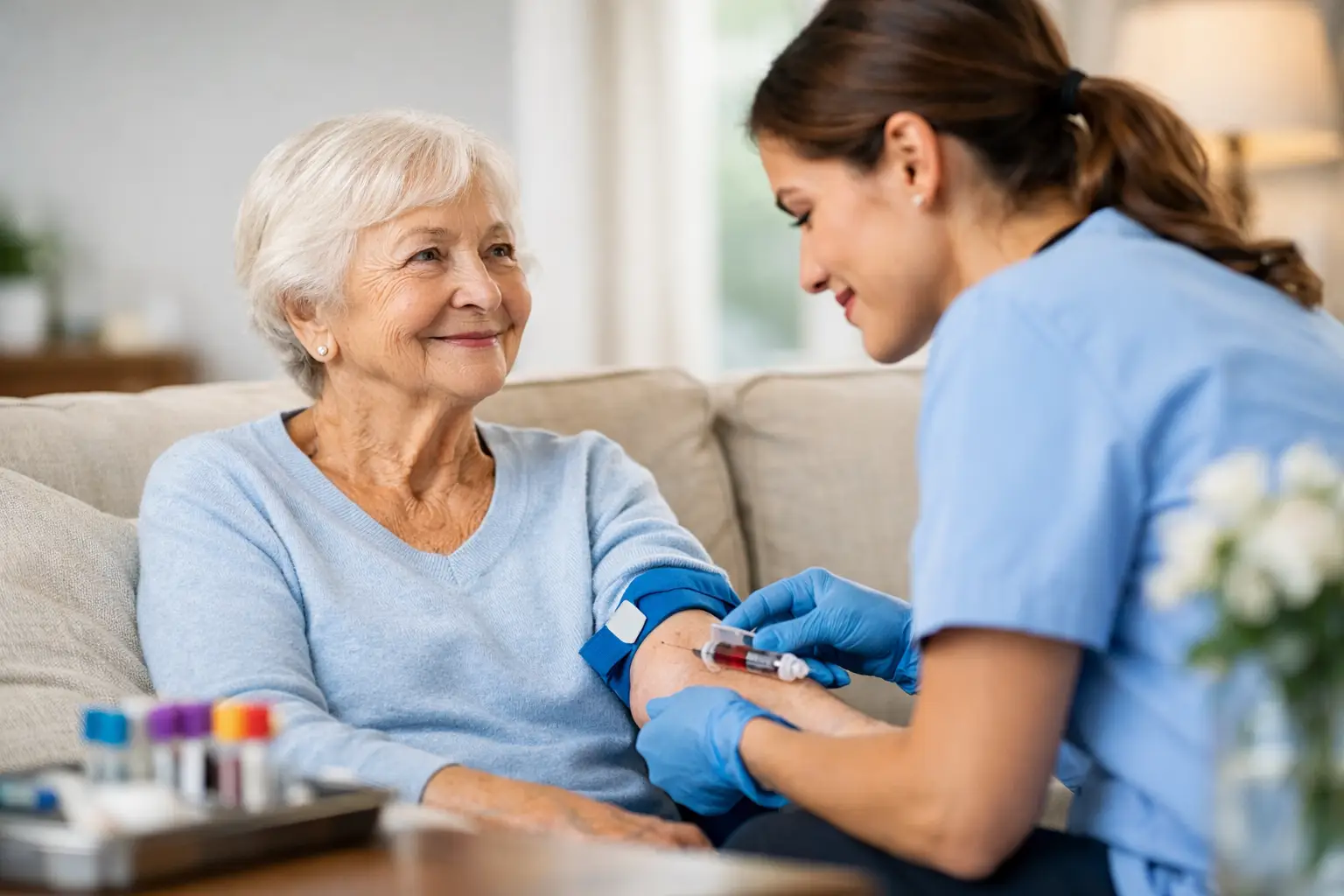
When a loved one is receiving hospice care, a trip to a busy laboratory can feel like far more than an errand. It can mean painful transfers, long waits, unwanted exposure to illness, and a difficult day for everyone involved. A hospice blood draw service brings the collection appointment to the bedside, allowing patients to stay in the place where they are most comfortable while caregivers can focus on what matters most.
For many families, the relief is immediate. There is no arranging transportation, no sitting in a waiting room, and no trying to fit a fragile patient into a standard lab schedule. A qualified mobile phlebotomist arrives at the home, hospice residence, assisted-living community, or care facility with the proper supplies, collects the ordered specimens carefully, and coordinates delivery to the appropriate laboratory.
Why bedside blood draws matter in hospice care
Hospice is centered on comfort, dignity, and the patient’s goals of care. Not every hospice patient needs laboratory testing, and not every ordered test will be consistent with an individual comfort-focused plan. Those decisions belong to the patient, family, hospice team, and ordering clinician.
But when blood work is requested, the collection process should not create more strain than necessary. A mobile hospice blood draw service can reduce the physical and emotional burden of getting needed specimens collected. For a patient with limited mobility, advanced illness, oxygen needs, fatigue, pain, or confusion, avoiding an outside lab visit can make a meaningful difference.
This support also helps family caregivers. They may already be managing medications, meals, visitors, personal care, and emotional decisions around the clock. Coordinating a ride to a laboratory can add hours of logistics to an already full day. Let the laboratory come to you instead.
A calm, experienced phlebotomist understands that this is not a routine appointment for the people in the room. The pace should be respectful. The communication should be clear. And the patient should never feel rushed just because a blood draw is on the schedule.
How a hospice blood draw service works
The process is straightforward, but careful coordination matters. In most cases, the patient or responsible caregiver begins with a valid laboratory order from the treating provider. The order identifies the requested tests and the laboratory that will process the specimens.
Once an appointment is scheduled, the mobile phlebotomist comes to the patient’s location at the agreed time. This may be a private home, an assisted-living residence, a board-and-care home, rehabilitation center, skilled nursing facility, or hospice setting. The collector verifies patient information, reviews the order, prepares the supplies, and explains what will happen before beginning.
After collection, specimens are labeled and handled according to laboratory requirements. They are then delivered promptly to the designated laboratory or hospital for processing. A professional mobile service should work within HIPAA-compliant practices and follow protective collection and transport protocols.
At Phlebotomy Experts, this concierge approach is designed around comfort, clear communication, and experienced field service. Our certified phlebotomists bring a steady hand and an awesome bedside manner with a smile, because a gentle interaction matters just as much as a successful collection.
Timing can affect specimen quality
Some tests require specific handling, fasting, temperature control, or rapid delivery after collection. That is why families should share the laboratory order and any instructions they have before the appointment. If the patient has difficult veins, a port, swelling, dehydration concerns, or a history of fainting during blood draws, mention that too.
A mobile phlebotomist can prepare more thoughtfully when those details are known ahead of time. Still, there are situations where a specimen may be difficult to obtain or a test may need special arrangements. Being transparent about those possibilities is part of good patient care.
What families and care teams can expect
A bedside collection should feel organized, not clinical in a cold way. The phlebotomist will need a clean, reasonably well-lit space and a safe place to position supplies. The patient can usually remain in bed or sit in their preferred chair, depending on their comfort and the best access to a vein.
Family members or hospice staff are welcome to help create a calm environment. A familiar voice, a warm blanket, or a few quiet minutes before the draw can help an anxious patient feel more settled. For patients with dementia or confusion, simple explanations and a gentle pace are often more helpful than too much information at once.
It also helps to have these items ready before the appointment:
- The current laboratory order and any test-specific instructions
- Patient identification and insurance information, if requested
- The name of the ordering provider and designated laboratory
- A list of access concerns, such as fragile skin, bruising, or prior difficult draws
If the patient has been instructed to fast, confirm whether medications may still be taken and whether hydration is allowed. Do not stop prescribed medications unless the ordering clinician has specifically instructed you to do so.
Coordinating with hospice without disrupting care
The best hospice support is collaborative. A mobile phlebotomy appointment should fit around nursing visits, medication times, rest periods, and the patient’s normal rhythm whenever possible. Families can ask for appointment availability that works with the care plan rather than forcing the patient into an inconvenient window.
Communication is especially helpful when multiple people are involved. The hospice nurse, family caregiver, facility staff, ordering clinician, and mobile phlebotomist may each have a different role. A quick confirmation of the location, room number, contact person, order details, and preferred collection time can prevent unnecessary delays.
For care facilities, mobile collection can also reduce disruption for staff. Rather than arranging transportation and escorting a resident to an off-site laboratory, the draw can be completed where the resident already receives care. That means less time away from familiar surroundings and less stress for everyone.
When mobile collection may not be the right fit
Mobile collection is a valuable option, but it is not a replacement for urgent medical care. If a patient has severe symptoms, active bleeding, trouble breathing, sudden unresponsiveness, chest pain, or another emergency concern, follow the hospice emergency plan and contact the appropriate clinical support right away.
There are also tests that require specialized equipment, timed processing, or hospital-based collection. In those cases, the ordering provider or laboratory can advise on the right setting. A trustworthy service will be honest when a requested collection needs a different level of care or a particular facility.
The goal is never to make every situation fit a mobile appointment. The goal is to make the appropriate blood draw as comfortable and practical as possible when bedside collection is suitable.
A small service that can lighten a hard day
Families often remember the details of hospice care long after the appointments are over. They remember whether someone spoke kindly to their loved one, whether they felt hurried, and whether a medical task added stress or eased it. A compassionate hospice blood draw service cannot change the weight of the moment, but it can remove one difficult trip, one crowded waiting room, and one more demand on a tired caregiver.
If blood work has been ordered, check appointment availability early, gather the lab order, and choose a time that protects the patient’s comfort. Sometimes the kindest next step is simply keeping care close to home.
