
Learn why blood bruises after a draw, what makes a bruise more likely, simple home care steps, and signs that call for prompt medical advice right away.
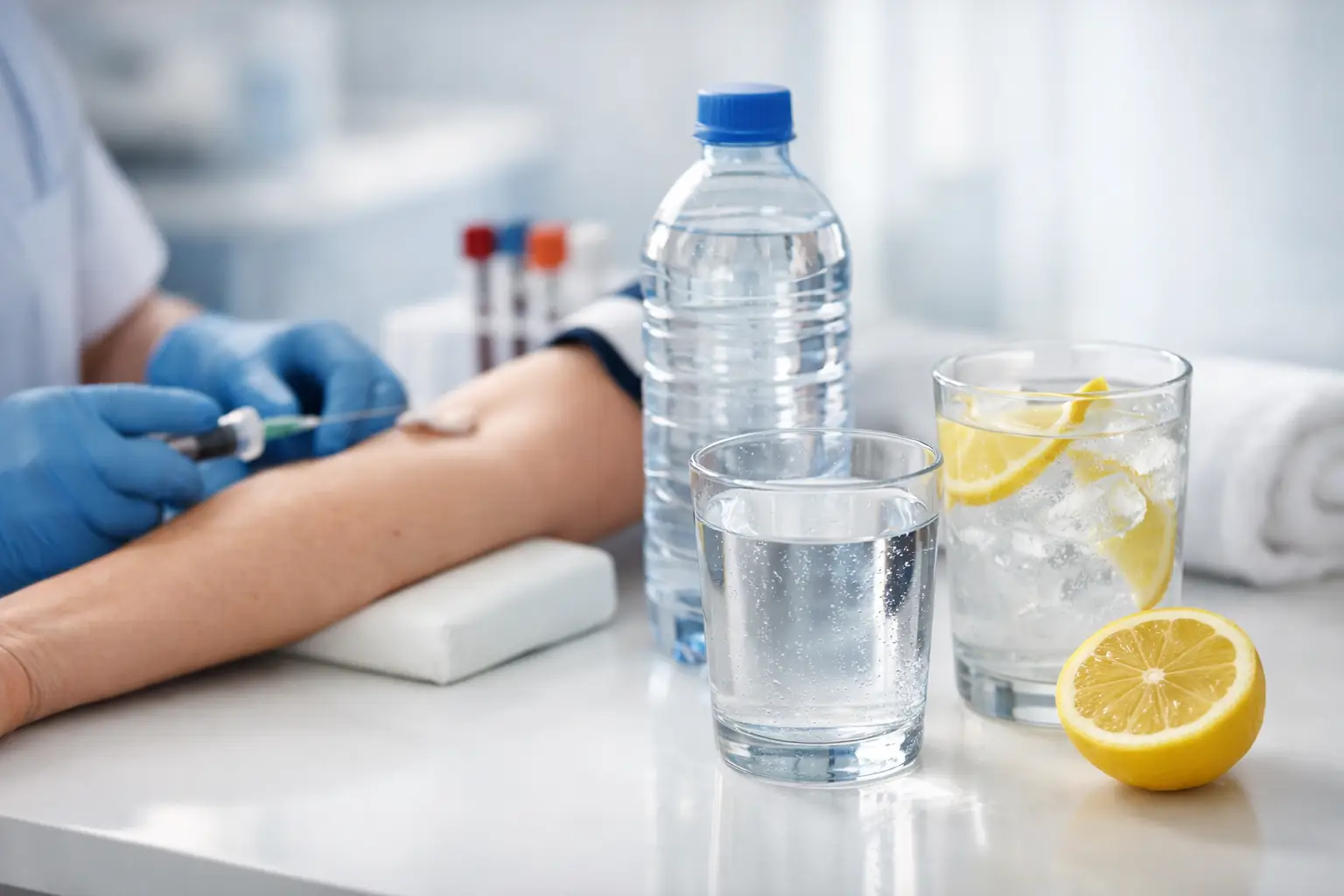
Bloodwork Hydration: What to Drink Before a Draw
A glass of plain water can make a real difference on blood-draw day. Good bloodwork hydration may help your veins feel easier to access, support a smoother collection, and make the appointment more comfortable – especially if you tend to be a difficult stick or feel lightheaded around needles.
That does not mean you should drink anything and everything before a lab test. Some tests have strict fasting instructions, and the beverage choices that feel harmless at breakfast can affect results. The goal is simple: arrive hydrated, follow your provider’s directions, and let your phlebotomist know if you are nervous, have rolling veins, or have had a challenging draw before.
Why Bloodwork Hydration Can Help
Your blood contains a large amount of water. When you have not had enough fluids, your circulation can be a little less forgiving and your veins may be less full or less visible. That can make it harder to locate a suitable vein and may mean a longer appointment or an additional attempt.
Hydration is not a guarantee of an effortless draw. Vein access also depends on your age, medications, body temperature, medical history, and the condition of your veins. Still, drinking water as permitted is one of the easiest ways to prepare.
For many people, this matters most first thing in the morning. You have gone several hours without drinking while asleep, and you may also be fasting. A little plain water can help you arrive feeling more like yourself without interfering with most fasting requirements.
What to Drink Before Bloodwork
For routine testing, plain water is usually the safest choice. If your ordering provider says you need to fast, water is commonly allowed, but your specific instructions always come first. If anything on the order is unclear, contact the provider or laboratory before your appointment rather than guessing.
Water is generally preferable to coffee, tea, juice, energy drinks, soda, alcohol, or flavored beverages. Even drinks marketed as light, zero-calorie, or healthy may contain sweeteners, caffeine, vitamins, minerals, or other ingredients that can matter for certain tests.
A practical approach is to have one or two glasses of water in the hours leading up to your draw, unless a clinician has told you to limit fluids. You do not need to force large amounts of water right before the appointment. Overdoing it can leave you uncomfortable, and it is not likely to create dramatically better veins than normal, steady hydration.
People with heart failure, kidney disease, liver disease, low sodium, or another condition requiring fluid restriction should follow their care team’s instructions instead of general hydration advice. The right amount of water is personal in those situations.
Is coffee okay before a blood test?
It depends on the test. If you are fasting, assume coffee is off the table unless your provider specifically says otherwise. Black coffee may still affect certain results, and cream, milk, sugar, syrups, collagen powders, and sweeteners definitely mean you are no longer following a typical fasting protocol.
Caffeine can also make some people feel shaky, anxious, or more aware of the needle. If you are prone to vasovagal reactions, dizziness, or fainting, plain water and a calm morning may serve you better.
What about electrolyte drinks?
Electrolyte drinks can be useful after exercise, illness, or heavy sweating, but they are not the default choice before routine labs. Many contain sugar, sodium, potassium, vitamins, or dyes. Those ingredients can conflict with fasting instructions or influence testing that measures related substances.
If you are dehydrated because of vomiting, diarrhea, fever, or another acute illness, call your provider. The question may not simply be what to drink. It may be whether the test should be completed that day and how your symptoms should be managed.
How to Prepare Without Affecting Your Results
The instructions attached to your lab order are the rulebook. Some tests require fasting for a set number of hours. Others require a particular collection time, medication timing, avoidance of supplements, or special handling. A mobile blood draw can bring the collection to your home, office, care community, or rehabilitation setting, but it does not change those laboratory requirements.
If your provider says to fast, do not eat food, chew gum, use mints, or sip anything other than approved water. A fasting period is often ordered for tests such as certain glucose or lipid evaluations, but requirements vary. Do not stop prescription medication unless the clinician who prescribed it tells you to do so. When medication timing is part of the test, ask for clear direction before the morning of your draw.
Vitamins and supplements deserve the same attention. Biotin, often found in hair, skin, and nail products, can interfere with some laboratory assays. Your provider may tell you to pause it before testing. Bring up every supplement you take, including powders, herbal products, and injections. “Natural” does not automatically mean irrelevant to lab results.
Wear a shirt with sleeves that can roll comfortably above the elbow. If you are sensitive to cold, keep warm before the appointment. Warm arms often make veins easier to find. Have your photo identification, insurance information if needed, lab order, and any kit or specimen paperwork ready before your phlebotomist arrives.
If You Are a Difficult Stick or Feel Faint
Please say so. There is no prize for trying to power through a blood draw without sharing what has happened in the past. Let your phlebotomist know if one arm works better, if you have had lymph node removal, a mastectomy, dialysis access, a port, frequent bruising, or a history of fainting.
For a person who feels faint, the safest plan may include drawing blood while lying down, taking a few slow breaths, looking away from the supplies, and remaining seated or reclined for a few minutes afterward. If you have been fasting, keep a snack ready for after the collection when your instructions allow you to eat.
Hydration can support vein access, but it is only one piece of good preparation. An experienced phlebotomist will assess the available sites, use appropriate technique, and prioritize your comfort and safety rather than rushing the process.
Bloodwork Hydration for Older Adults and At-Home Care
Older adults can be particularly vulnerable to dehydration, especially when mobility is limited or medications increase fluid loss. In assisted living, hospice, rehabilitation, and home settings, caregivers can help by confirming whether water is permitted before the draw and offering it in small, comfortable amounts throughout the morning.
At the same time, caregivers should not encourage extra fluid without considering the patient’s physician-directed restrictions. Swelling, shortness of breath, heart conditions, and kidney concerns can change the plan. When in doubt, choose the care instructions over general advice.
At-home service can remove the stress of travel, waiting rooms, and sitting in a crowded laboratory while fasting. Phlebotomy Experts brings a certified, patient-focused collection experience to convenient locations and coordinates prompt specimen delivery to the appropriate laboratory. For patients who need recurring draws, have mobility challenges, or simply want a calmer experience, that little bit of comfort can mean a lot.
A Simple Morning-of-Draw Plan
The night before, review your order and confirm whether fasting is required. On the morning of the appointment, drink plain water if permitted, wear accessible sleeves, and keep your paperwork nearby. Avoid adding coffee, breakfast, supplements, or workout drinks unless your provider has said they are okay for your specific test.
Then give yourself a few unhurried minutes. Good preparation is not about making your body perfect for a blood draw. It is about giving your phlebotomist the clearest path to a safe, comfortable collection and giving your laboratory the best chance of receiving an accurate specimen. A glass of water, the right instructions, and a little kindness toward yourself are a very good place to start.
