
Learn why blood bruises after a draw, what makes a bruise more likely, simple home care steps, and signs that call for prompt medical advice right away.
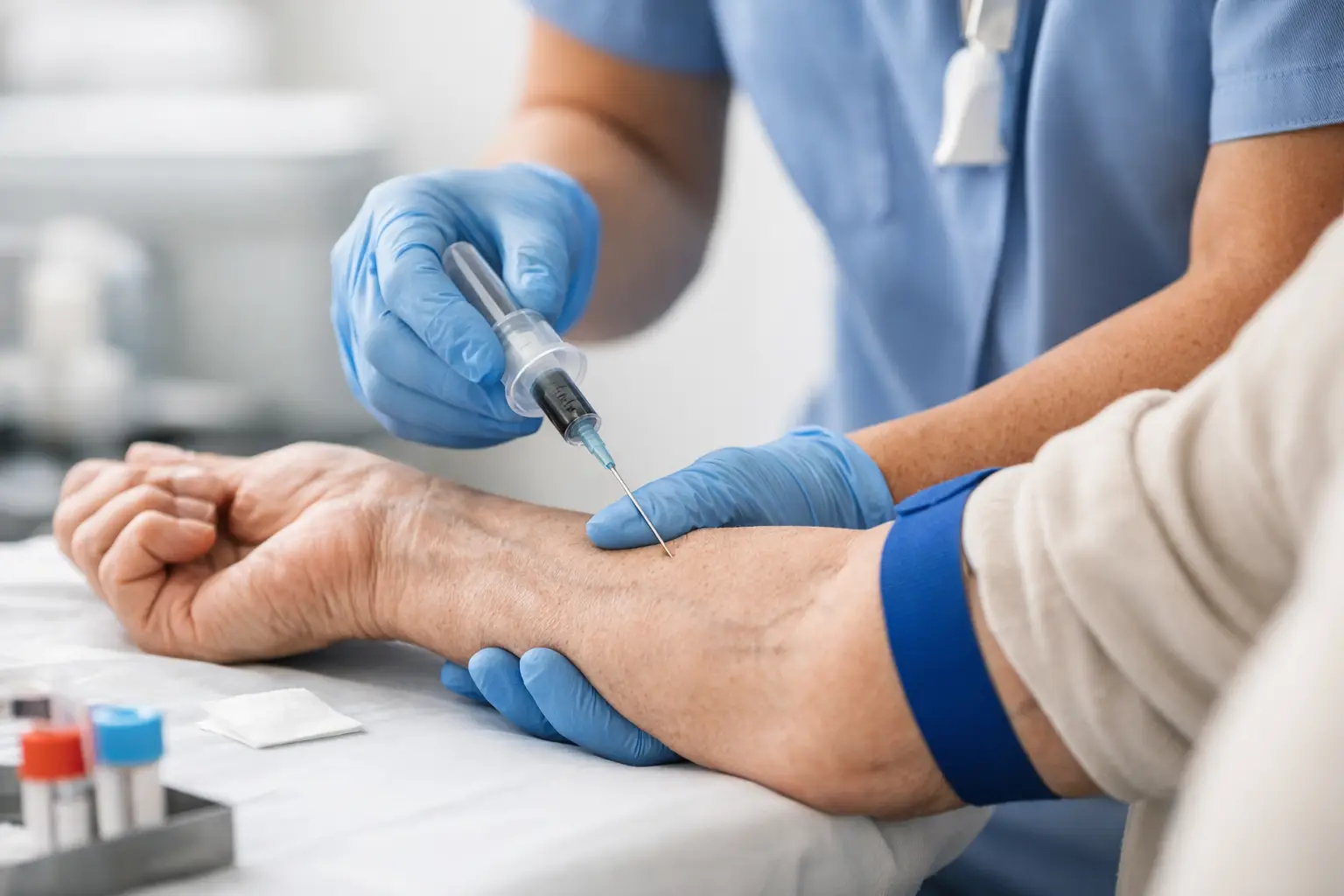
How to Handle Difficult Veins With Less Stress
A blood draw should not feel like a test of endurance. If you are wondering how to handle difficult veins, the best answer is not to simply “try harder.” It is to prepare thoughtfully, communicate clearly, and work with an experienced phlebotomist who treats you like a person, not a rushed appointment.
Difficult veins are common. They can happen to older adults, people who are dehydrated, patients receiving regular medical treatment, people with small or deep veins, and anyone who has had multiple hospital stays or frequent blood work. A hard stick does not mean you have done anything wrong, and it does not mean a successful collection is out of reach.
Why veins can be difficult to access
Veins do not look or behave the same from one person to the next. Some are small, deep, mobile, fragile, or less visible beneath the skin. Others may be affected by age, certain medications, past IV therapy, medical conditions, or repeated blood draws. Cold temperatures can also make veins narrow temporarily, while anxiety may make the whole experience feel more uncomfortable.
For patients in hospice, assisted living, rehabilitation, or home care, vein access can require extra patience and a gentler approach. The same is true for children, patients receiving therapeutic phlebotomy, and anyone whose veins have been used often for treatment.
The goal is never to force a collection. A careful phlebotomist evaluates what is available, listens to the patient, and makes sound decisions based on safety, comfort, and the requirements of the ordered test.
How to handle difficult veins before your appointment
A little preparation can make a meaningful difference. Your physician’s instructions always come first, especially if your test requires fasting or fluid restrictions. If you are allowed to drink water, being well hydrated before the appointment may help support vein fullness. Plain water is usually the safest choice when fasting instructions are involved, but confirm your specific directions if you are unsure.
Keeping warm can help, too. Wear a comfortable long-sleeve layer on a cool day, and avoid arriving chilled from strong air conditioning or outdoor weather. A warm, relaxed body is often easier to assess than one that is tense and cold.
It also helps to eat normally when your test does not require fasting. Low blood sugar can make some patients feel lightheaded during a draw. If fasting is required, plan ahead: schedule at a time that feels manageable, have a snack ready for afterward if permitted, and allow yourself a few quiet minutes to recover.
Most of all, speak up about your history. Tell the phlebotomist if you have rolling veins, fragile skin, a preferred arm, a history of fainting, a mastectomy, lymphedema, a dialysis access site, or medical instructions that limit where blood can be drawn. Mentioning what has worked in the past is genuinely useful. You know your body better than anyone.
What an experienced phlebotomist does differently
Handling difficult veins is about assessment, patience, and professional judgment. An experienced phlebotomist does not rely only on what is easy to see. They take time to feel for a suitable vein, consider your health history, and select an approach that fits the situation and the test order.
They also understand that more than one collection site may be available. The right choice depends on vein condition, patient comfort, the specimen needed, and applicable safety protocols. Sometimes a smaller collection device or a different site may be appropriate. Sometimes the safest decision is to pause, reassess, or coordinate with the ordering provider or a higher-acuity setting when collection cannot be completed safely.
That last point matters. A professional should never promise that every difficult draw will be completed on the first attempt. Good care includes knowing when not to continue. Clear communication, gentle handling, and appropriate escalation are signs of expertise, not failure.
At Phlebotomy Experts, our mobile phlebotomy concierge team brings that patient-first mindset to the home, office, residential facility, or other convenient setting. A familiar, calm environment can be especially helpful for patients who feel anxious in crowded laboratories or have mobility challenges.
Make the appointment easier on yourself
You do not need to be perfectly relaxed for a blood draw, but a few small choices can reduce stress. Choose a spot with good lighting and a stable chair or supportive place to sit. If you tend to feel faint, tell the phlebotomist before the collection begins so you can be positioned safely.
Try not to watch if needles make you nervous. Slow breathing can help: breathe in gently, then let the exhale run a little longer. Bring a family member or caregiver if that makes you feel more comfortable, particularly for an older parent, a child, or someone with memory concerns.
For home appointments, have your photo ID, insurance information if requested, laboratory order, collection kit, and any required paperwork ready before the phlebotomist arrives. This avoids a last-minute scramble and gives the appointment more time for what matters – your care.
If a child is having blood drawn, honest and simple language usually works best. Tell them they may feel a quick pinch, but avoid promising that it will not hurt at all. A favorite toy, video, or calm caregiver can provide a helpful distraction. The right bedside manner is not just nice to have. It can change how a child experiences medical care.
When hydration is not the answer
“Drink more water” is common advice, but it is not universal medical advice. Patients with heart failure, kidney disease, dialysis needs, or physician-directed fluid limits should not increase fluids without approval. The same care applies to fasting tests, medication instructions, and therapeutic phlebotomy appointments.
If you are unsure what to do before your draw, follow the instructions from your ordering provider or laboratory. A qualified mobile phlebotomist can help clarify appointment logistics, but only your medical provider can change preparation instructions or make decisions about your treatment plan.
After a difficult blood draw
After collection, keep pressure on the site for the amount of time your phlebotomist recommends. People who take blood thinners, have fragile skin, or bruise easily may need a little longer. Keep the bandage on as directed, avoid heavy lifting with that arm right away, and drink fluids and eat if your instructions allow it.
A small bruise or mild tenderness can happen, especially when veins are delicate. However, contact a medical professional promptly if you have persistent bleeding, significant swelling, worsening pain, numbness, or a concerning change in color or temperature in the arm or hand.
For patients who need recurring collections, keep a short note of what worked. Which arm was used? Was there a location that felt more comfortable? Did warming up, lying back, or having a quieter setting help? Sharing that information at future appointments helps create a more consistent, less stressful experience.
Difficult veins deserve unhurried care
A difficult-vein patient is not a difficult patient. You deserve clear explanations, respectful care, and someone who takes the time to listen before beginning. Whether you need routine lab work, a specialty kit collection, or recurring physician-ordered services, convenience should not come at the expense of safety or compassion.
When arranging your next collection, give yourself permission to ask questions, explain your past experiences, and request a setting where you can feel comfortable. A calm room, a skilled hand, and a little patience can make the appointment feel much more manageable.
