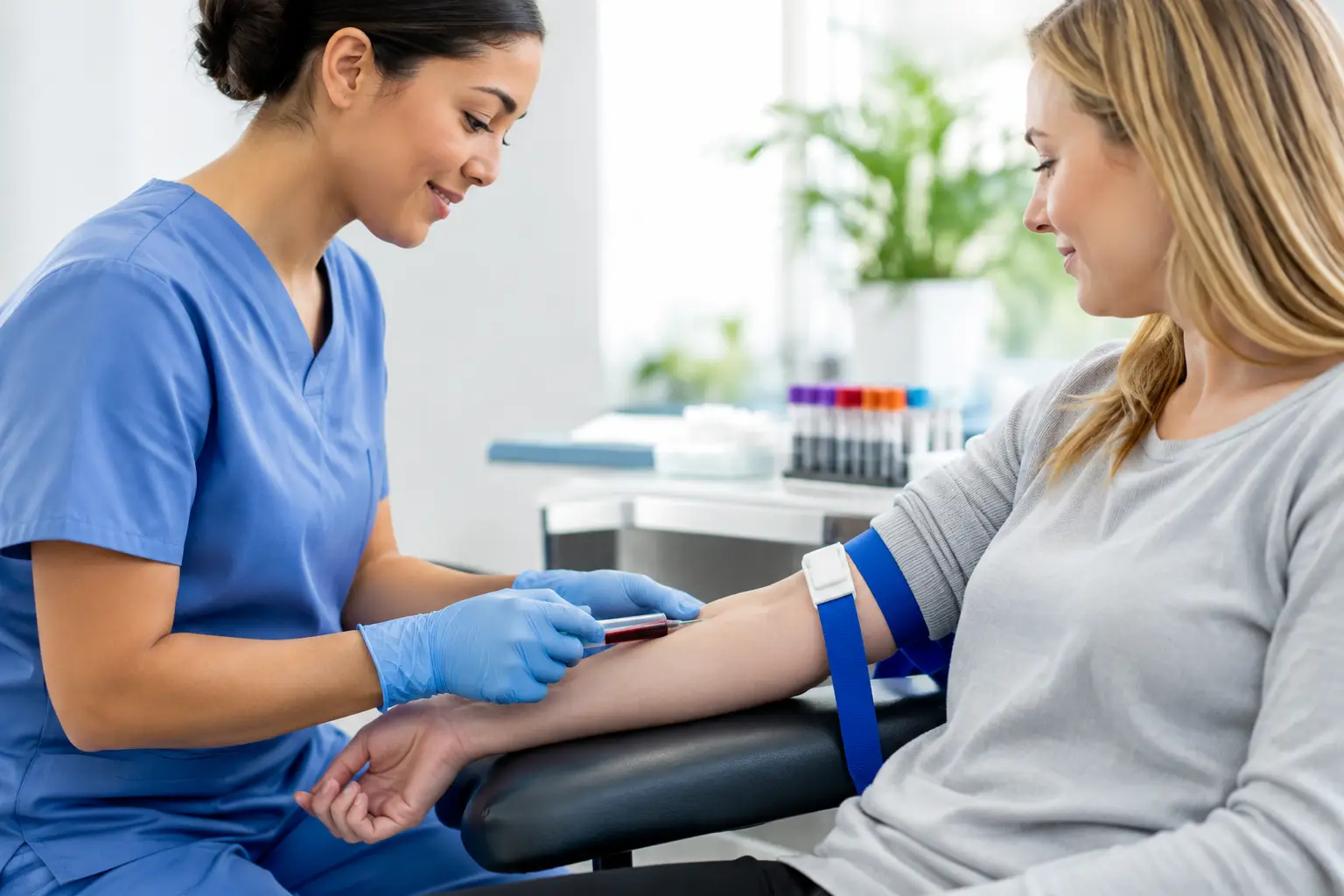
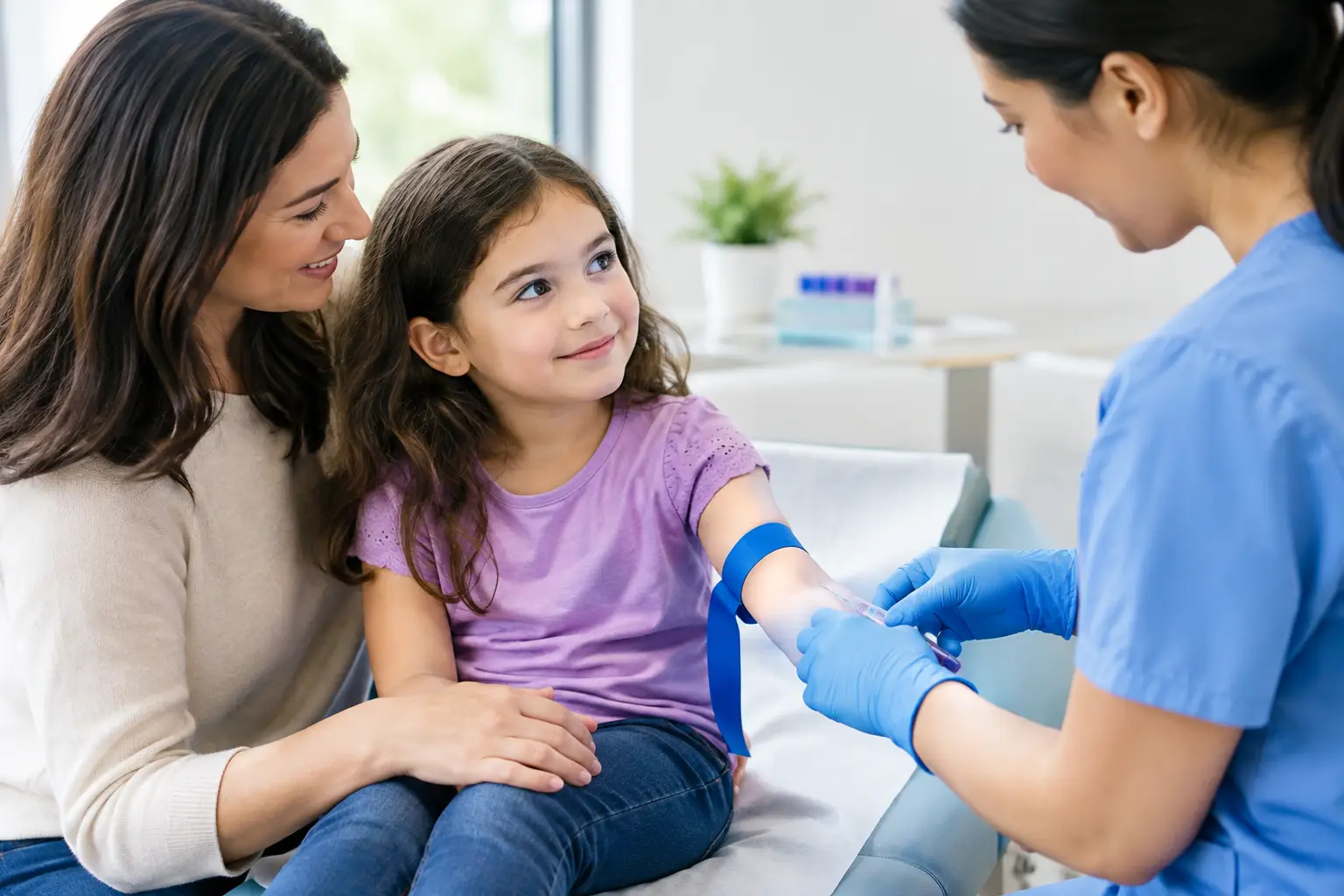
Learn how to book rehabilitation phlebotomy at a rehab facility or home, what to have ready, and how mobile collection supports recovery care safely today.
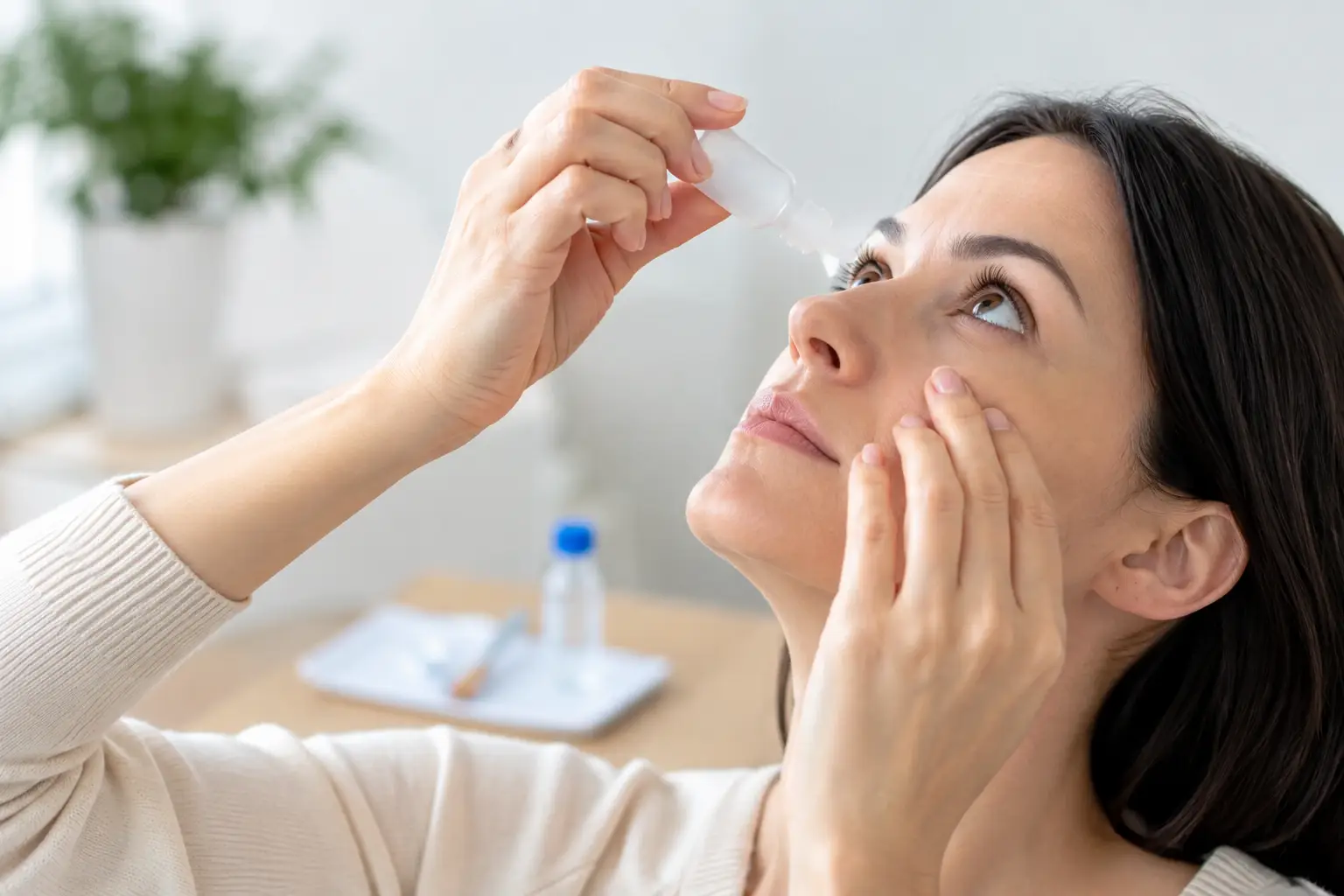
Serum Eye Drop Processing Guide for Patients
A serum eye drop processing guide can make a specialty treatment feel far less intimidating. The basic idea is personal: a laboratory uses your own blood to prepare physician-directed eye drops. But the details matter. The blood draw, paperwork, handling instructions, laboratory requirements, and delivery timeline all need to line up correctly so your care team can move forward without unnecessary delays.
For patients managing severe dry eye symptoms, ocular surface disease, or another condition for which a specialist has recommended autologous serum eye drops, a trip to a crowded lab may be the hardest part of the process. Mobile collection can bring a trained phlebotomist to your home, office, care facility, or another comfortable location while the laboratory completes the specialized preparation.
What serum eye drop processing involves
Autologous serum eye drops are made from a patient’s own blood serum. After collection, the specimen is handled according to the ordering physician’s and processing laboratory’s specific instructions. The laboratory separates and prepares the serum, typically dilutes it using its validated protocol, places it into sterile dropper bottles, and provides storage and use directions.
This is not a product that should be prepared at home or handled like a routine blood test. Processing requirements can differ by laboratory, physician, and prescription. Some programs require certain tubes, a particular collection volume, fasting instructions, signed forms, a specific courier arrangement, or a tightly scheduled processing window. Your ordering eye specialist and laboratory set the clinical requirements. A mobile phlebotomy professional helps carry out the collection plan accurately and comfortably.
The trade-off is straightforward: specialty processing takes coordination. A same-day blood draw does not always mean same-day eye drop production. Lab preparation, quality controls, pharmacy procedures, and shipping or pickup arrangements can all affect timing.
Before your blood draw: confirm the care plan
The most useful preparation happens before the appointment is booked. Your physician’s office should provide an order for the blood collection and identify the laboratory or facility responsible for producing the drops. If you have paperwork, keep it together with any labels, requisitions, processing instructions, and contact information you received.
Ask the laboratory whether it supplies the collection kit or whether it has special instructions for the phlebotomist. This avoids a frustrating situation where a draw is completed but cannot be processed because the wrong tube, label, or form was used. If the lab has provided a kit, keep it stored exactly as instructed and bring it out for your appointment.
It is also wise to confirm whether you need to fast, stay hydrated, avoid a particular supplement, or schedule the draw at a certain time. Do not make changes to medications or supplements on your own. Your prescribing clinician is the right person to advise you, especially if you take blood thinners, have a history of fainting during blood draws, or have been told that your veins are difficult to access.
For many patients, hydration is the simple step that makes collection easier. Unless your care team has told you otherwise, drinking water before the appointment may support a smoother draw. Wear a short-sleeve shirt or clothing with sleeves that can be comfortably rolled above the elbow.
Have the right details ready
A good appointment starts with clear communication. Be prepared to share the ordering provider’s name, the processing laboratory’s information, your preferred appointment location, and the lab’s deadline for receiving the specimen. If a caregiver, family member, or facility nurse is helping coordinate care, they can be included in the planning conversation.
At Phlebotomy Experts, our mobile phlebotomy concierge approach is built around this kind of coordination. We come prepared to provide caring, professional collection support while following the physician and laboratory instructions that apply to your order.
What happens during a mobile serum collection appointment
Your phlebotomist will first verify your identity, review the order and collection materials, and make sure the requested paperwork is present. This is a safety step, not a formality. Correct patient identification and accurate labeling protect the integrity of the specimen from the moment it is collected.
The blood draw itself is similar to a standard venipuncture, although the amount collected for serum eye drop processing may be greater than a basic routine test. The required volume depends on the lab protocol and how many bottles or treatment days the prescription is intended to cover. Your phlebotomist can help you get comfortable, explain what is happening, and use a calm, patient-centered approach.
If you are prone to dizziness, say so before the draw begins. A reclining chair, bed, or quiet seated setup may be more appropriate than standing or rushing through the appointment. Older adults, patients in rehabilitation or assisted living, and people with limited mobility often benefit from having collection done where they already feel safe and supported.
After collection, the specimen is labeled and packaged according to the established instructions. The goal is not simply to get blood into a tube. The goal is to preserve a properly identified specimen for the laboratory’s next steps.
Handling and transport are part of the treatment process
For serum eye drops, timing and temperature requirements can be especially important. The processing laboratory may specify how quickly it must receive the specimen and whether the sample needs a particular transport condition. Those directions should be followed exactly rather than guessed at.
A professional collection service can coordinate delivery to the designated laboratory or hospital when that is part of the arranged service. In other cases, the laboratory may provide a courier, require patient drop-off, or have a location-specific process. It depends on the lab’s policy and the prescription program. Confirm this before the draw so no one is left asking, after the fact, who is responsible for transport.
HIPAA-compliant handling matters here too. Your medical information, specimen labels, and order details should be treated with care throughout collection and delivery. If something appears incomplete or inconsistent, it is better to pause and clarify it with the lab or physician’s office than to risk a specimen being rejected.
After the laboratory prepares your drops
The laboratory or dispensing facility will tell you when the drops are ready and how you will receive them. Storage instructions are a major part of safe use. Depending on the product and the facility’s protocol, bottles may need refrigeration or freezing, and individual bottles may have specific beyond-use dates once opened or thawed.
Read the instructions that come with your drops, even if you have used them before. Do not assume a previous storage schedule applies to a new batch. Keep bottles clean, avoid touching the dropper tip to your eye, skin, or other surfaces, and follow the dosing plan from your eye care provider. If a bottle looks unusual, has been stored incorrectly, or is past its assigned date, contact the dispensing laboratory or prescribing office for guidance before using it.
Your eye specialist should remain your first call for concerns about your symptoms, side effects, worsening redness, pain, vision changes, or questions about how often to use the drops. Mobile collection supports the processing pathway, but it does not replace ophthalmology care or the laboratory’s dispensing instructions.
Questions worth asking before scheduling
A few clear questions can prevent most delays: Does the lab have a required kit? What volume of blood is needed? Are there fasting or hydration instructions? Who transports the specimen? When should the lab receive it? How will the finished drops be stored and delivered?
If you need collection at home, at work, or in a residential care setting, also ask about appointment availability early. Specialty specimen timing may mean that the best appointment is one that matches the laboratory’s receiving hours, not simply the first open time on the calendar.
A thoughtful serum eye drop collection plan gives you one less thing to manage while you focus on your eye care. Keep your physician’s order and laboratory instructions close, choose a collection setting where you can relax, and let trained hands take care of the blood draw with the attention you deserve.

Related Posts