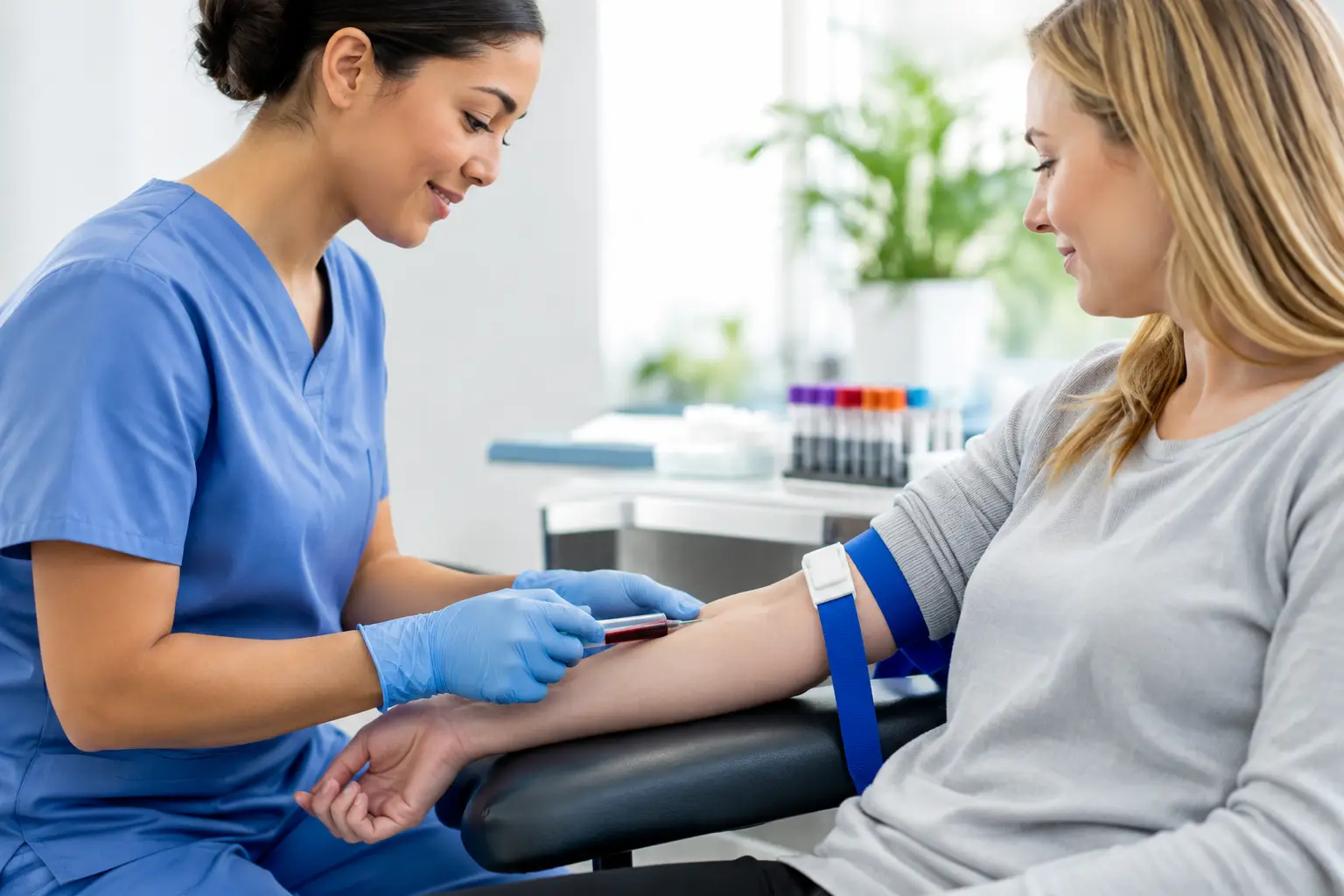
Learn how to book rehabilitation phlebotomy at a rehab facility or home, what to have ready, and how mobile collection supports recovery care safely today.
Best Home Collection Tests for Busy Patients
A lab visit can take half a workday, especially when you are fasting, caring for a parent, recovering from surgery, or trying to keep a child comfortable. The best home collection tests make that process easier without treating your health like a DIY project. The right option depends on what your clinician ordered, the type of specimen needed, and whether the sample can be collected and delivered correctly.
At-home testing can mean a kit you collect yourself with saliva, a swab, or a finger stick. It can also mean having a certified mobile phlebotomist come to your home, office, assisted-living community, or rehabilitation facility to collect a blood specimen for an established laboratory. Those are very different experiences, and knowing which one fits your needs can save time, stress, and a repeat collection.
What Makes the Best Home Collection Tests?
The best home collection tests are not necessarily the ones with the biggest marketing claims or the fastest-looking results page. They are the tests that match a legitimate medical need, use a specimen type appropriate for the analysis, and provide clear instructions for handling and delivery.
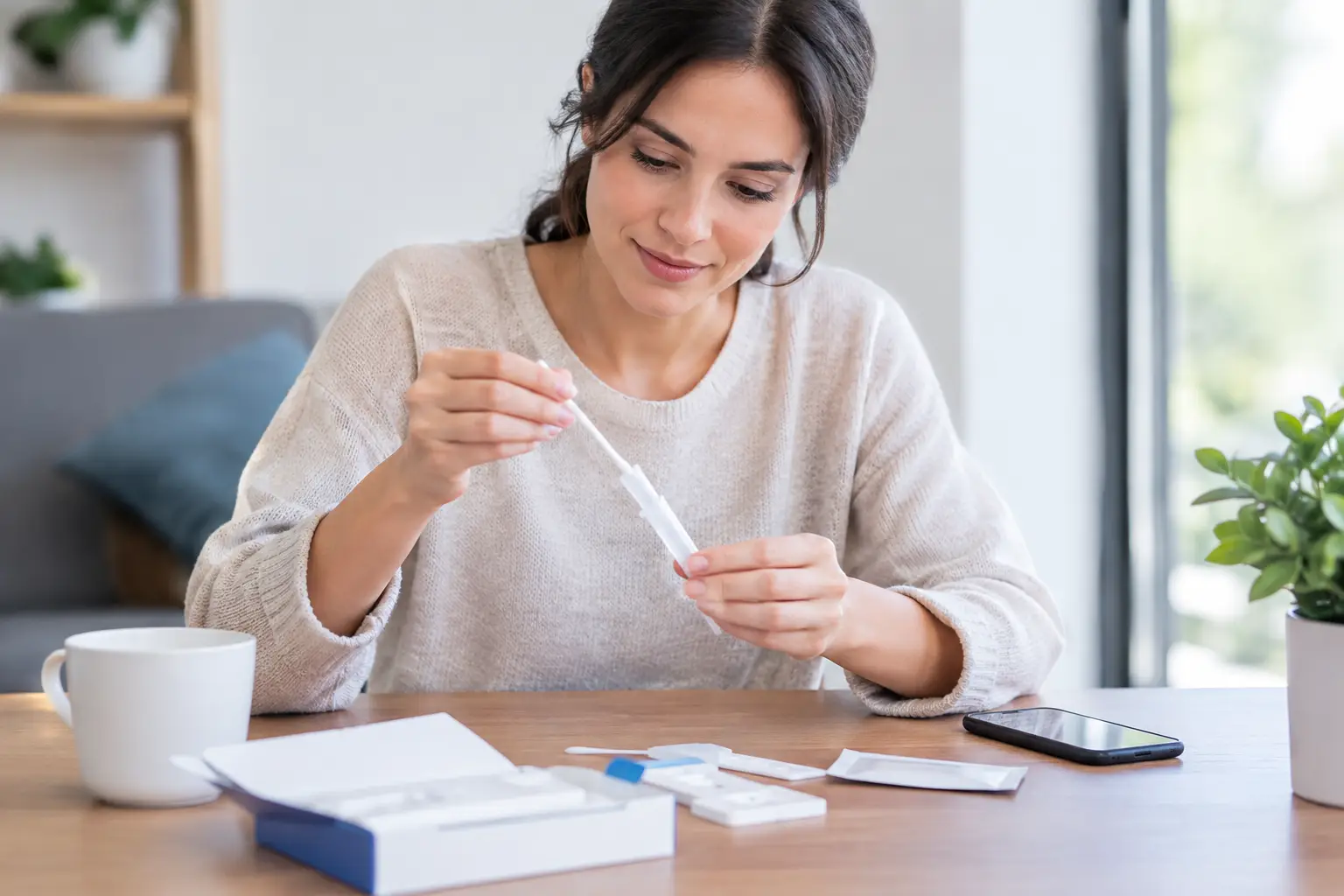
For some needs, a self-collected sample is perfectly practical. Saliva collection, cheek swabs, urine samples, and certain finger-prick blood kits can be done privately at home when the kit instructions are followed carefully. These options may work well for screening, wellness monitoring, DNA-based testing, or tests specifically designed and validated for home collection.
Other lab orders call for a traditional venous blood draw. A small finger-prick sample cannot replace a full blood draw when the laboratory needs several tubes, a specific processing method, a larger volume of blood, or tightly controlled handling. This is common with many physician-ordered panels, specialized studies, therapeutic monitoring, and time-sensitive specimens.
Convenience matters, but specimen quality matters just as much. A sample collected at the wrong time, placed in the wrong container, exposed to heat, or delivered late may be rejected by the lab. That means another appointment, another needle stick, and another delay in getting answers.
Know Which Collection Method Your Test Requires
Before choosing a home option, look at the order, kit instructions, or paperwork from your healthcare provider. The collection method should be clearly stated. If it is not, call the ordering provider or laboratory before opening a kit or scheduling a visit.
Self-collection kits
A self-collection kit can be a good fit when the manufacturer specifically supports at-home collection. Most include labeled containers, instructions, packaging, and delivery directions. The process may feel simple, but the details are not optional. Collection time, handwashing, food restrictions, specimen labeling, and shipping deadlines all affect whether the lab can process the sample.
Self-collection is often appealing for people who want privacy or need a simple specimen without leaving home. Still, it may not be ideal for someone with poor hand dexterity, vision limitations, severe needle anxiety, a history of fainting, or difficulty obtaining enough blood from a finger stick. A missed drop or improperly filled card can turn a quick task into an inconvenient redo.
Mobile blood collection
A mobile blood draw is usually the better choice when a physician or laboratory has ordered venipuncture. Instead of navigating parking, waiting rooms, and exposure to crowded public spaces, you can have an experienced professional collect your specimen where you are most comfortable.
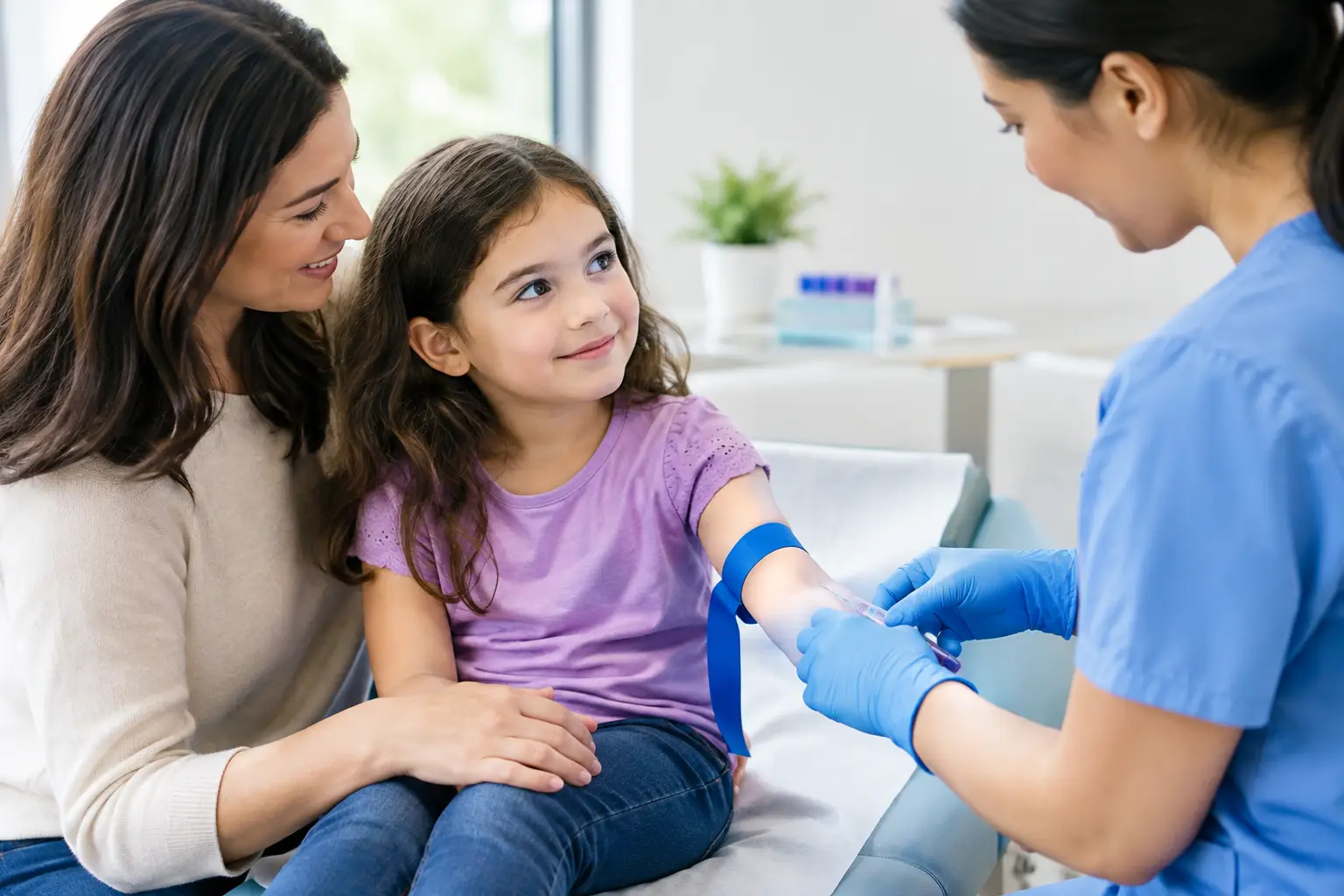
This service is especially helpful for older adults, immunocompromised patients, people on bed rest, families with young children, busy professionals, and residents of hospice, group homes, assisted-living facilities, or rehabilitation centers. It can also be a relief for patients who need recurring collections and do not want every appointment to become a transportation challenge.
A trained phlebotomist can identify suitable veins, use the correct tubes, label specimens at the time of collection, and follow the laboratory’s handling requirements. When a kit or order requires a professional draw, that expertise is more than a convenience. It helps protect the integrity of the sample.
When a Professional Collection Makes More Sense
There is no prize for doing every health task yourself. If your test requires multiple tubes, fasting, special processing, or prompt transport, professional collection can be the calmer and more reliable route.
It also helps when your situation has extra variables. Maybe you take medications that affect timing. Maybe you have difficult veins, are recovering from an illness, or need collection coordinated around a caregiver’s schedule. Perhaps the specimen must be delivered to a particular laboratory or hospital. These are situations where a high-touch mobile service can keep the process organized.
Phlebotomy Experts provides mobile collection support for patients who need laboratory blood work without the traditional lab trip. A certified phlebotomist comes to the requested location, performs the draw with respectful bedside manner, and coordinates timely specimen delivery based on the laboratory’s requirements. This can be especially valuable when the patient needs help with a home blood-test kit that requires venous collection rather than a self-collected sample.
Professional collection does not replace your doctor, and it does not determine which testing you need. Your ordering clinician and laboratory remain the right sources for questions about medical necessity, test interpretation, and results. The mobile collection team focuses on making the draw and handoff feel straightforward, safe, and comfortable.
How to Prepare for a Home Test Appointment
Good preparation begins before the collection starts. Read every instruction that came with the laboratory order or kit. If your provider asked you to fast, fasting generally means avoiding food for the specified period, though water is often allowed. Do not make assumptions, particularly if you have diabetes, take prescription medications, or have been given special directions by your clinician.
Choose a well-lit, reasonably quiet place for collection. For a blood draw, sit in a supportive chair or arrange a comfortable bedside setup if mobility is limited. Keep your photo ID, insurance information if required, laboratory order, kit, and any registration paperwork nearby. If you are prone to dizziness with needles, let the phlebotomist know before the draw begins. There is no need to tough it out quietly.
Hydration can make a meaningful difference for many blood draws. Unless you have been instructed to limit fluids, drinking water before the appointment may help make veins easier to access. Wear clothing with sleeves that can be comfortably rolled above the elbow. After collection, follow instructions about pressure, bandages, activity, and shipping or delivery.
For self-collected kits, double-check the label before sealing anything. Confirm that the name, date of birth, collection date, and collection time are recorded exactly as required. Pack the specimen according to the instructions, then make sure it is sent within the stated window. A perfectly collected sample can still become unusable if it sits too long before shipment.
Questions to Ask Before You Schedule
A few quick questions can prevent confusion. Ask whether your test requires a laboratory order, whether it needs a finger stick or venous draw, and whether fasting or a particular collection time applies. Find out where the specimen must go and how quickly it needs to arrive.
If you are using a home kit, ask whether a mobile phlebotomist may collect the specimen and whether the kit includes the required tubes, labels, and packaging. Not every kit is designed for the same workflow. Some must be processed immediately, some need special temperature control, and some can only be accepted at designated collection locations.
You should also ask about availability if timing is important. Certain collections need to happen on a specific day, at a particular hour, or before a medication dose. Scheduling early gives you more options and helps avoid rushing a specimen that needs careful handling.
Comfort Is Part of Good Care
People often focus only on the test itself, but the collection experience matters too. A rushed draw, a difficult trip to a lab, or an unclear kit instruction can make an already stressful health concern feel bigger. The best home collection tests support reliable results while respecting the real life around the appointment.
Whether you are collecting a simple home kit sample or arranging a professional blood draw, choose the approach that gives your specimen the best chance of reaching the right laboratory correctly and on time. A little planning can turn a dreaded errand into one quiet, well-cared-for moment at home.

Related Posts