
Learn why blood bruises after a draw, what makes a bruise more likely, simple home care steps, and signs that call for prompt medical advice right away.
Bloodwork Appointment Fasting Guide Made Simple
A fasting order can feel like the most confusing part of a lab test. Do you skip coffee? Can you take your morning medicine? What if your appointment is at your home instead of a lab? This bloodwork appointment fasting guide gives you clear, practical answers so you can be ready when your phlebotomist arrives.
The first rule is also the most reassuring: follow the instructions from the clinician who ordered your tests. Fasting requirements depend on the exact tests requested, your health history, and the laboratory handling the specimen. If their instructions differ from general guidance, their instructions win.
What fasting for bloodwork usually means
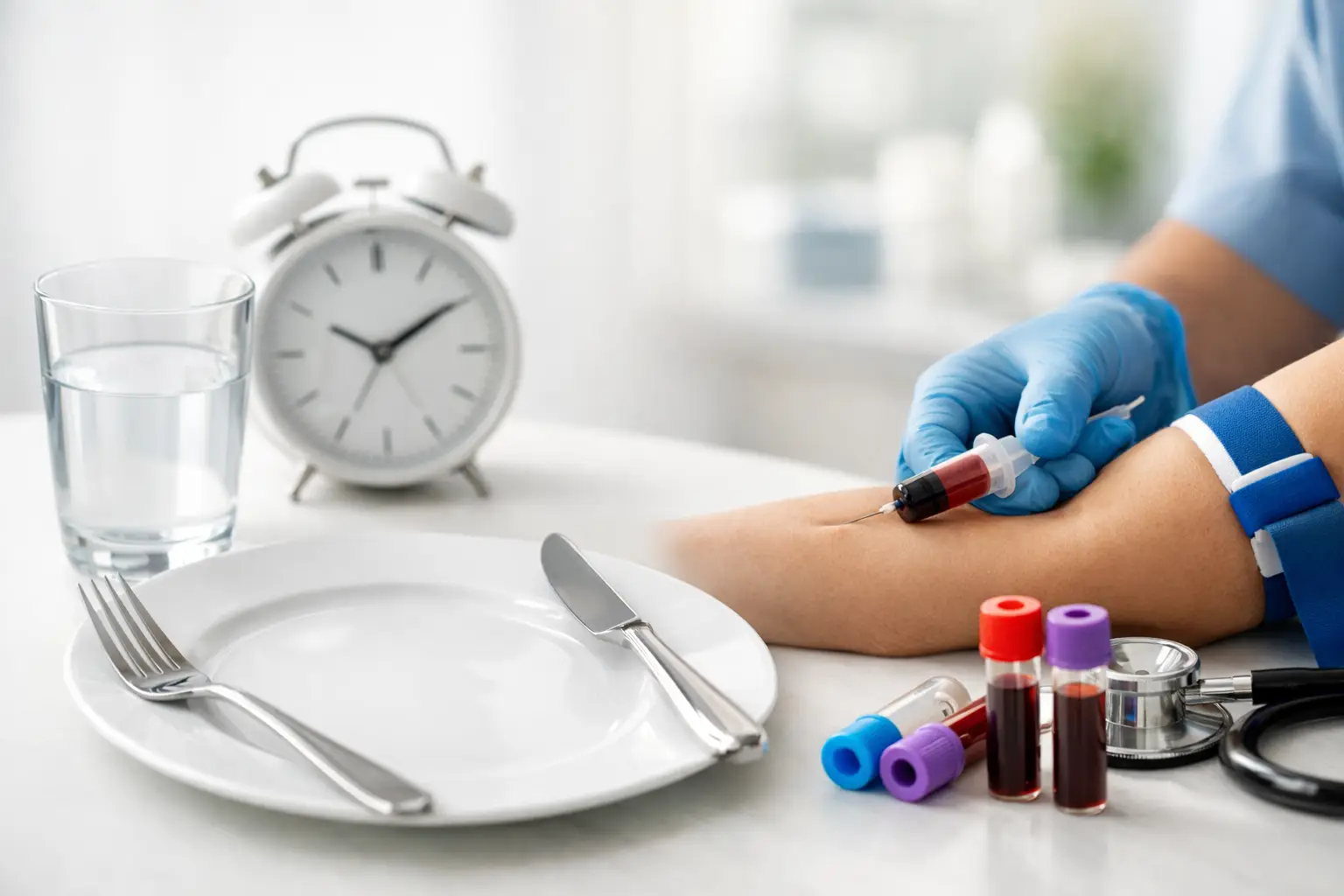
For many routine blood tests, fasting means having no food or caloric drinks for a set period before your collection. Eight to 12 hours is common for tests that look at blood sugar, triglycerides, cholesterol, or certain metabolic markers. Your provider may request a shorter fast, a longer fast, or no fasting at all.
During that window, plain water is usually allowed and often encouraged. Water can help you stay hydrated, which may make your veins easier to access and your blood draw more comfortable. A well-hydrated patient is often a happy patient.
Fasting does not always mean you should avoid every single thing by default. Some tests require special timing, medication instructions, or dietary preparation. Others are designed to be collected at a particular time of day. That is why a quick check of your order before the appointment is worth it.
Tests that may require fasting
Your clinician may ask you to fast before a lipid panel, fasting glucose test, comprehensive metabolic panel, or other tests affected by recent food intake. However, laboratory practices and physician preferences vary. Many cholesterol screenings, for example, can now be completed without fasting in certain situations.
Do not guess based on a test you had years ago. Read the current instructions on your lab order, patient portal message, or paperwork. If you do not have instructions, call the ordering provider or laboratory before changing your normal routine.
What you can drink and what to avoid
Plain water is generally the safest choice during a fasting period. It contains no calories or additives, supports hydration, and does not usually interfere with common fasting tests.
Coffee, tea, juice, soda, energy drinks, smoothies, milk, and flavored beverages are different. Even a small amount of cream, sugar, honey, juice, or milk can affect results. Black coffee and unsweetened tea may be permitted for some tests, but they are not always a good idea. Caffeine can affect certain measurements and may make an anxious or needle-sensitive patient feel more uncomfortable.
If your instructions simply say to fast and do not specifically permit coffee or tea, stick with water. Save your favorite morning drink for after the collection. It is a small trade-off for a clearer result and fewer questions about whether the test needs to be repeated.
Alcohol is also best avoided before bloodwork, especially if you are preparing for tests involving triglycerides, glucose, liver function, or hydration status. Follow your provider’s direction, but many patients are advised to avoid alcohol for at least 24 hours beforehand.
Medications, vitamins, and supplements need a personal answer
Do not stop prescribed medication just because you are fasting unless the clinician who prescribed it tells you to do so. Many medications can be taken with a small sip of water, and missing a dose can be riskier than any possible effect on a lab result.
Some medications and supplements do affect testing. Biotin, commonly found in hair, skin, and nail products, can interfere with certain laboratory assays. Iron, thyroid medication, diabetes medication, injectable medications, and vitamin supplements may also have timing instructions. Your ordering clinician or pharmacist can tell you what applies to your specific test.
People who use insulin or other diabetes medications should never try to power through a long fast without medical guidance. The timing of food, medication, and testing may need to be adjusted to prevent low blood sugar. If you feel shaky, sweaty, confused, weak, or unwell while fasting, treat that as a health concern first and contact your medical team. A blood test can be rescheduled. Your safety comes first.
Your bloodwork appointment fasting guide for the night before
A little planning makes the morning much easier. Choose an early appointment when possible, especially for an eight- to 12-hour fast. You can eat a normal evening meal, then begin fasting at the time provided by your clinician. Avoid making the last meal unusually heavy, sugary, or high in alcohol just because you know you will be fasting afterward.
Get a good night’s rest if you can. Poor sleep, intense stress, dehydration, and very strenuous exercise may affect some results. You do not need to live like a monk before routine testing, but keeping the prior evening ordinary gives your care team a more useful picture of your usual health.
Set out your photo ID, insurance information if needed, lab order, specimen kit, and medication list. If a doctor has given you special collection instructions, keep them with the paperwork. For in-home collection, make sure your phone is nearby in case the phlebotomist needs to confirm arrival details.
The morning of your mobile blood draw
When you wake up, drink plain water unless your provider has restricted fluids. Wear a top with sleeves that can roll up comfortably. Choose a calm, well-lit place with a table or counter nearby and a chair where you can sit securely.
Do not chew gum, suck on candy, use mints, or smoke or vape while fasting unless your clinician has specifically said it is fine. These habits can introduce ingredients that may affect certain tests, and nicotine can influence some measurements. If you accidentally eat or drink something other than water, do not panic. Tell the phlebotomist exactly what you had and when. Honest details help determine whether the collection can proceed or whether the laboratory should be consulted.
If needles make you nervous, say so right away. Experienced mobile phlebotomists are used to helping patients who are anxious, hard to draw, recovering at home, or simply tired of waiting in crowded laboratory rooms. You can lie down if you have a history of fainting, and you can take a few quiet minutes before the draw begins.
Phlebotomy Experts brings certified, HIPAA-compliant collection support to homes, offices, assisted-living settings, and other convenient locations. Your specimen is collected according to the order and coordinated for delivery to the appropriate laboratory, so you can focus on the part that matters most: taking care of yourself.
After the collection, break your fast gently
Once your blood has been drawn, you can usually eat and drink again unless your clinician gives different instructions. A balanced snack or meal with protein and carbohydrates can be especially helpful if you tend to feel lightheaded after fasting. Keep drinking water, particularly if several tubes were collected.
Leave the bandage on for the time your phlebotomist recommends, and avoid heavy lifting with that arm for a short period. Mild tenderness or a small bruise can happen. If you have persistent bleeding, significant swelling, worsening pain, or symptoms that concern you, contact your healthcare provider.
When fasting is not the right plan
Fasting can be harder for children, older adults, pregnant patients, people with diabetes, and anyone managing a condition that affects blood sugar or nutrition. It may also be inappropriate for patients who are ill, dehydrated, or recovering from a recent medical event. There is no prize for fasting perfectly if it puts your health at risk.
Call the ordering clinician when you are unsure. Ask how long to fast, whether water is allowed, whether to take medications, and what to do if your appointment time changes. Those four answers remove most of the uncertainty.
A blood draw does not have to mean a rushed morning, a packed waiting room, or confusion about what comes next. With the right instructions, water on hand, and a comfortable place to sit, your appointment can be one more manageable step toward the care you need.
