
Learn why blood bruises after a draw, what makes a bruise more likely, simple home care steps, and signs that call for prompt medical advice right away.
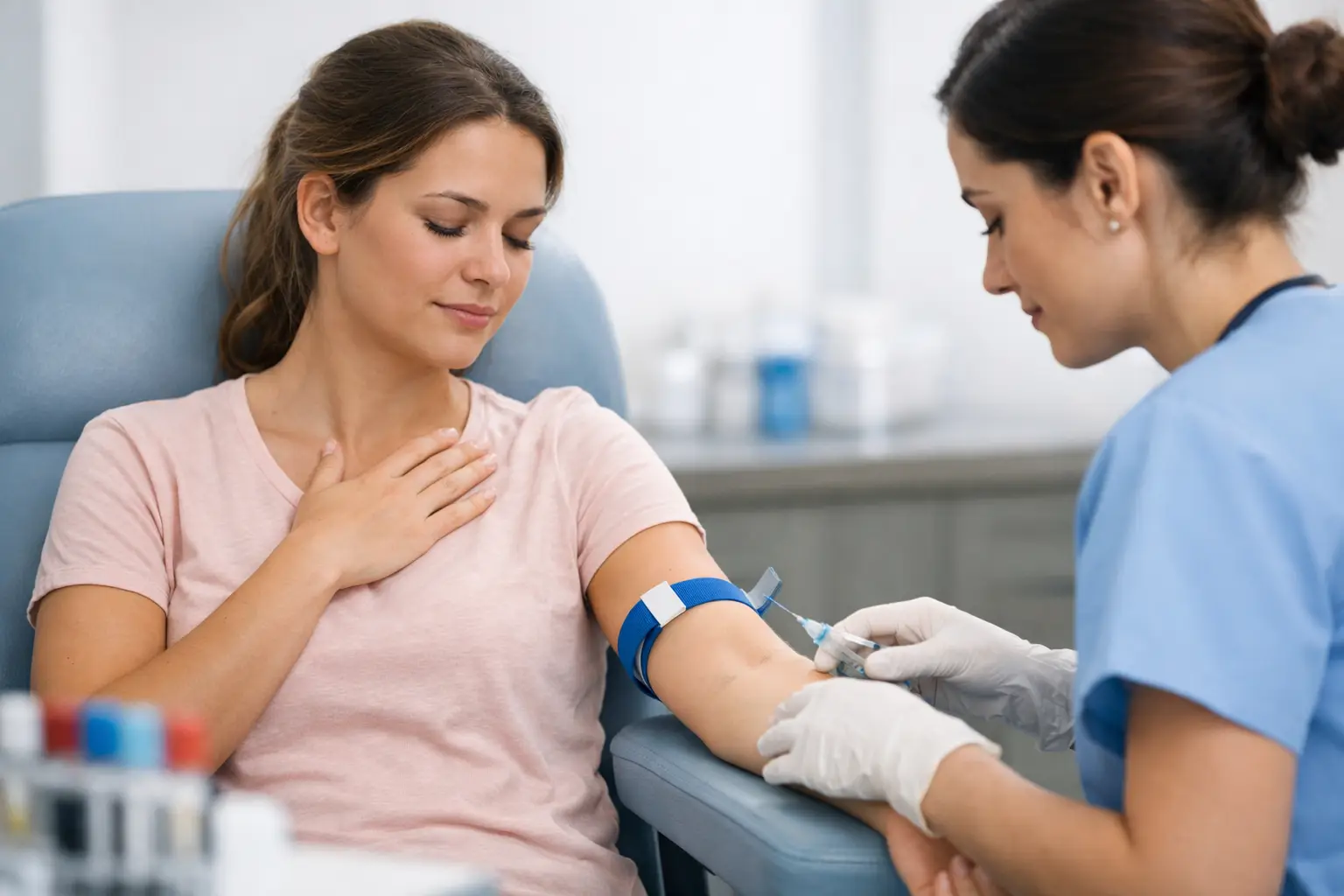
How to Ease Venipuncture Anxiety Before a Draw
The hardest part of a blood draw is often the minute before it begins. Your shoulders tense, your mind starts replaying a bad experience, and even the sight of the supplies can make your heart race. If that sounds familiar, you are far from alone. Learning how to ease venipuncture anxiety is not about forcing yourself to “be brave.” It is about creating a plan that gives you more comfort, more control, and the support you need.
Venipuncture anxiety can affect anyone, including people who understand exactly why their lab work is needed. It may come from a fear of needles, the worry that a draw will hurt, fainting in the past, difficult veins, or simply feeling rushed in a clinical setting. The good news is that small changes before and during your appointment can make a real difference.
Start by telling your phlebotomist
You do not need to apologize for being nervous. Let your phlebotomist know as soon as the appointment begins that needles make you anxious, that you have fainted before, or that your veins can be difficult to access. This is useful medical information, not an inconvenience.
An experienced phlebotomist can slow the pace, explain only what you want explained, help you get into a safer position, and choose an approach based on your history. Some people feel calmer when each step is described. Others would rather look away, chat about something unrelated, and hear only a simple cue when it is over. Both preferences are completely reasonable.
If you have a history of fainting, say so before the draw starts. You may be more comfortable lying down rather than sitting upright. Your phlebotomist can also make sure you have time to rest afterward instead of standing up too quickly.
Prepare your body before the appointment
An anxious body can make veins less cooperative. Stress may cause you to feel cold, dehydrated, shaky, or lightheaded. Unless your clinician has instructed you to fast or limit fluids, drink water in the hours before your blood draw. Good hydration can make veins easier to find and may reduce the need for multiple attempts.
Eat a light meal or snack beforehand if your test does not require fasting. Going into an appointment hungry can leave some people more prone to dizziness. Wear a loose shirt with sleeves that can be comfortably rolled above the elbow, and bring a sweater if you tend to get cold. Warm arms usually make vein access easier than cold ones.
Try not to arrive after a frantic commute or a stressful phone call. Even five quiet minutes beforehand can help. If your blood draw is at home or your office, set aside a private, comfortable spot with a chair, good lighting, and a little room to relax afterward. A familiar environment can be especially helpful for children, older adults, people with mobility concerns, and anyone who finds crowded labs overwhelming.
Use a breathing technique that keeps you grounded
When anxiety rises, people often take fast, shallow breaths without noticing. That can intensify tingling, dizziness, and the feeling that something is wrong. A slower breathing pattern signals to your body that you are safe.
Try this while you wait: breathe in gently through your nose for four counts, then breathe out slowly for six counts. Keep your focus on the longer exhale. Repeat for a few rounds without trying to make it perfect.
If counting makes you more focused on the procedure, use a simpler cue: breathe in, then let your exhale be slow and easy. You can also press both feet firmly into the floor and notice three things you can see in the room. This brings your attention back to the present moment rather than the needle you are anticipating.
For people who tend to faint, a technique called applied tension may help, but it is not right for everyone. While seated or lying down, gently tense the muscles in your legs, arms, and torso for several seconds, then relax. This can help maintain blood pressure. Ask your healthcare provider or phlebotomist whether it is appropriate for you, particularly if you have heart or blood-pressure concerns.
Look away, listen in, or take control of the conversation
There is no prize for watching the needle. Looking away before supplies are arranged is often one of the simplest ways to ease venipuncture anxiety. Pick a spot across the room, scroll through calming photos on your phone, or close your eyes if that feels better.
Distraction works best when it is specific. Queue up a favorite song, podcast, or short video before the appointment. Ask a family member to talk to you. If you are bringing a child, a familiar show, a comfort item, or a simple game can shift their attention away from the draw.
Conversation can help adults, too. You might ask your phlebotomist about something neutral, such as their day or a favorite local restaurant. If you prefer quiet, say that. The goal is not to act cheerful. The goal is to make the few minutes of collection feel manageable.
Ask for a plan if needles are especially difficult
Fear is often stronger after a painful or unsuccessful blood draw. If you have had multiple attempts in the past, bruising, rolling veins, or a difficult experience, share those details. Tell the phlebotomist which arm has worked well before, if you know.
There are practical steps a skilled professional may use, including warming the area, positioning your arm well, taking extra time to locate a suitable vein, or selecting equipment appropriate for your veins and the test ordered. There are limits, of course. No one can promise that every draw will be painless or successful on the first try. What you should expect is careful technique, honest communication, and a provider who does not make you feel rushed or embarrassed.
If you are concerned about pain, ask your ordering clinician whether a topical numbing product is appropriate for you. These products often need to be applied ahead of time, so do not wait until the appointment begins to ask. They may reduce skin discomfort, though they do not remove every sensation and may not be necessary for everyone.
Choose an environment that lowers your stress
For some patients, the setting is the biggest trigger. A busy waiting room, fluorescent lights, time pressure, and the possibility of being called in late can turn manageable nerves into panic. In those cases, a mobile collection appointment can be a meaningful option.
At-home or office blood draws let you choose a setting where you feel settled. You can have a support person nearby, sit in your favorite chair, play your own music, and rest afterward without driving immediately through traffic. It may also be a more practical choice for patients in assisted living, rehabilitation, hospice care, or those with limited mobility or weakened immune systems.
Phlebotomy Experts provides mobile blood-draw support with certified, experienced phlebotomists who understand that bedside manner matters. A calm, prepared appointment in Southern California, the Bay Area, Austin, or Las Vegas can replace the uncertainty of a crowded lab visit with care built around your comfort and schedule.
After the draw, give yourself a moment
Once the collection is complete, keep gentle pressure on the site for as long as instructed. Do not rush to stand up. If you feel hot, nauseated, weak, sweaty, or lightheaded, tell the phlebotomist right away and remain seated or lying down until you feel steady.
A small bruise can happen even with excellent technique. Follow any aftercare instructions you receive, drink water if permitted, and avoid heavy lifting with that arm for the rest of the day if the site is sore. If you have unusual swelling, persistent bleeding, worsening pain, numbness, or concerns about the site, contact your healthcare provider promptly.
Most importantly, give yourself credit for showing up. The goal is not to love blood draws. It is to learn what helps you get through them with less fear each time. Your next appointment can be different when you are heard, prepared, and cared for at your own pace.
