

Find mobile lab services for homebound patients with a 7-step guide covering orders, costs, vetting, and specimen transport. Get the care you need at home.
7 Ways to Manage Hangxiety After Drinking Alcohol
Last Updated: October 25, 2026
Quick Summary
To manage hangxiety, follow a time-based first-day plan: water and a small snack in the first hour, a balanced protein meal mid-morning, gentle movement early afternoon, rest late afternoon, and an early bedtime. Most hangxiety fades within 24 hours, and grounding tools like the 3-3-3 rule help calm racing thoughts.
- Hangxiety is the mental side of drinking, often lasting longer than physical hangover symptoms.
- The 3-3-3 rule means naming 3 things you see, 3 sounds you hear, and moving 3 body parts.
- Do not take extra benzodiazepines, sleep aids, or opioids to calm post-drinking anxiety; call your prescriber instead.
- Acetaminophen after heavy drinking raises liver injury risk, so choose water, food, and rest for a headache.
- Chest pain, trouble breathing, seizure, confusion, or fainting mean call 911 immediately.
Table of Contents
- What Hangxiety Is and How It Differs From a Typical Hangover
- How to Calm Anxiety After Drinking: A Time-Based First-Day Plan
- How Long Does Hangxiety Last and What Affects the Timeline
- The 3-3-3 Rule for Anxiety: A Simple Grounding Tool
- Medication and Supplement Safety: What Not to Mix
- Red-Flag Symptoms That Need Urgent Medical Guidance
- Prevention and a Practical Plan to Reduce or Stop Drinking
- When to Get Professional Support for Post-Drinking Anxiety
- Frequently Asked Questions
What Hangxiety Is and How It Differs From a Typical Hangover
Hangxiety is the anxiety, dread, and racing thoughts that follow a night of heavy drinking, and learning to manage hangxiety starts with understanding it. It is not the same as a hangover. A hangover is mostly physical: headache, nausea, fatigue. Hangxiety is the mental side, and it often hits harder.
Why Alcohol Triggers Next-Day Anxiety
Alcohol does not just leave your body. It changes how your nervous system works.
Here is the short version:
- Alcohol slows brain activity at first, which feels calming
- Your body fights back by speeding things up
- When the alcohol wears off, that speed-up stays for a while
Alcohol also disrupts sleep and pulls water from your body. Poor sleep and dehydration both make anxiety symptoms worse. Many people find the mental symptoms last longer than the physical ones.
How to Calm Anxiety After Drinking: A Time-Based First-Day Plan
If you want to know how to calm anxiety after drinking, start with a plan for the first day. Do not wait to feel better. Work through the hours on purpose.
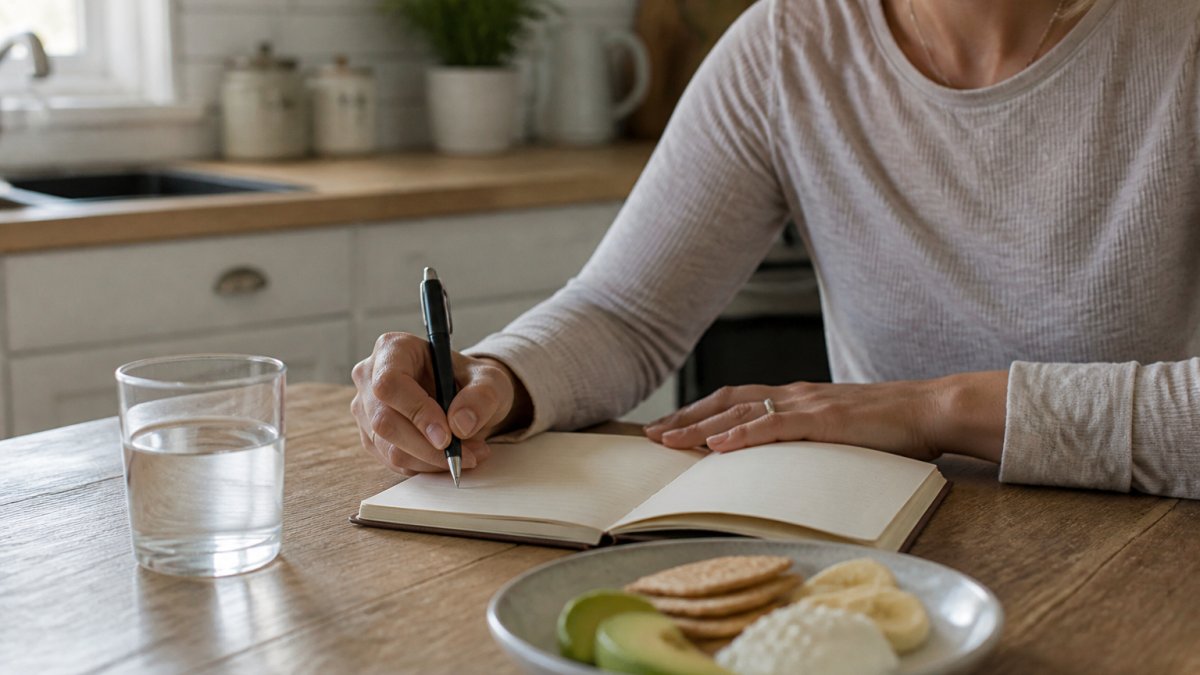
Hour-by-Hour Recovery Steps
| Time | What to Do | Why It Helps |
|---|---|---|
| First hour awake | Drink a large glass of water, eat something small | Starts hydration and steadies blood sugar |
| Mid-morning | Balanced meal with protein and slow carbs | Reduces jitters and mood dips |
| Early afternoon | 10-20 minutes of gentle movement or a short walk | Supports mood without overloading the body |
| Late afternoon | Rest or a short nap, screen-free if possible | Helps the nervous system settle |
| Evening | Light meal, water, early bedtime | Sets up better sleep |
For extra relief steps, our guide on 4 ways to recover from a hangover fast pairs well with this plan.
How Long Does Hangxiety Last and What Affects the Timeline
Most people feel hangxiety fade within 24 hours, though some feel it for a day or two. How long does hangxiety last depends on several things.
The biggest factors:
- How much you drank and how fast
- How well you slept
- Your hydration and food intake
A common mistake is judging the whole day by the first two hours. Anxiety peaks early and usually eases as your body rebalances. If symptoms are still intense after 48 hours, that is a signal to check in with a clinician.
The 3-3-3 Rule for Anxiety: A Simple Grounding Tool
The 3-3-3 rule for anxiety is a grounding exercise: name 3 things you can see, 3 sounds you can hear, and move 3 body parts. It pulls your attention out of racing thoughts and back to the present.
It takes under a minute and works anywhere. Try it when your heart rate climbs or your thoughts start looping.
Other tools that help:
- Slow breathing with a longer exhale than inhale
- A short mindfulness or meditation session
- Gentle yoga or stretching
If anxiety around medical settings is part of your pattern, these strategies for easing venipuncture anxiety use the same grounding principles.
Medication and Supplement Safety: What Not to Mix
Watch out: mixing alcohol residue with certain medications can be risky. This is the part most guides skip, and it is where a little caution prevents a lot of harm.
The core problem is that alcohol is still being metabolized while you are treating the aftereffects. Your liver is busy, your nervous system is rebound-stimulated, and anything you add can either compound the sedation, stress the liver further, or deepen the jitters.
Sedatives, Sleep Aids, and Anxiety Medicines
This is the highest-risk group. Benzodiazepines (for example, alprazolam, lorazepam, diazepam), sleep aids such as zolpidem, and older sedating antihistamines all slow the central nervous system. Alcohol does the same thing, and the combination can suppress breathing, cause dangerous drowsiness, and impair coordination more than either substance alone. If you take a prescribed benzodiazepine or sleep medicine, do not take an extra dose to calm post-drinking anxiety, call your prescriber or a pharmacist instead.
Opioid Painkillers
Opioids (for example, oxycodone, hydrocodone, codeine, tramadol) also depress breathing. Combined with alcohol, the risk of respiratory depression and overdose rises sharply. If you have a prescription opioid and drank heavily, skip the next dose until you have spoken with a clinician or pharmacist, and never take someone else’s painkiller to take the edge off.
Acetaminophen and Liver Load
Acetaminophen (Tylenol) is the pain reliever most likely to cause harm after heavy drinking, because alcohol and acetaminophen are both processed by the liver and the combination raises the risk of liver injury. Read the labels of combination cold and flu products, which often hide acetaminophen. Nonsteroidal anti-inflammatories (ibuprofen, naproxen) are not liver-toxic in the same way but can irritate the stomach lining, which is already inflamed after a night of drinking.
Caffeine, Nicotine, and Energy Drinks
Caffeine and nicotine are stimulants. They raise heart rate and can amplify the jitters, racing thoughts, and palpitations that define hangxiety. A single cup of coffee may be fine for some people, but energy drinks, pre-workout powders, and extra cigarettes tend to make the mental symptoms worse, not better. If your heart is already pounding, skip the stimulant.
Supplements and ‘Hangover Cures’
Supplement shelves are full of products marketed for hangovers, and most have not been rigorously tested for that use. A few practical cautions:
- Niacin (vitamin B3) can cause flushing and stress the liver at high doses, especially alongside alcohol.
- Kava and valerian are sedating and can compound next-day grogginess.
- St. John’s wort interacts with many prescription drugs, including antidepressants and birth control.
Do not start a new supplement to ‘fix’ anxiety the morning after drinking. If you already take a daily supplement, check it against the list above, and ask a pharmacist before adding anything.
If You Take Daily Medication
Antidepressants, blood thinners, diabetes medicines, and blood pressure drugs can all interact with alcohol in ways that matter the day after. A pharmacist can review your full list in a few minutes and flag the ones to skip or space out. That conversation is free at most pharmacies and is far cheaper than an emergency visit.
Watch Out
If you take a prescribed sedative, opioid, or anxiety medicine and you have been drinking heavily, do not take the next dose on your own. Call your prescriber, a pharmacist, or a poison control center before you do.
If you take a prescribed sedative, opioid, or anxiety medicine and you have been drinking heavily, do not take the next dose on your own. Call your prescriber, a pharmacist, or a poison control center before you do.
If you are weighing drip options against pills, this comparison of IV vitamin therapy vs oral supplements explains the key differences.
Red-Flag Symptoms That Need Urgent Medical Guidance
Most hangxiety settles on its own within a day. Some symptoms do not, and the difference matters. The list below separates ordinary post-drinking anxiety from emergencies that need a call or a trip to the emergency department.
Call 911 or Go to the Emergency Department Now
- Chest pain, pressure, or tightness, especially if it spreads to the arm, jaw, or back
- Trouble breathing or shortness of breath at rest
- A seizure or a first-time convulsion
These are not ‘just anxiety.’ They need a professional, and waiting can make them worse.
Call Your Doctor or a Nurse Line the Same Day
- Anxiety that is more intense than any you have felt before, or that feels out of proportion to the night before
- Symptoms that do not ease after 48 hours, or that get worse instead of better
- Shaking, sweating, and a racing heart that begin 6 to 24 hours after your last drink and keep escalating, this pattern can signal alcohol withdrawal, which can become dangerous and should be assessed by a clinician
What to Do While You Wait for Help
- Stay with someone you trust, or ask someone to stay with you.
- Sit or lie down somewhere safe, and avoid driving.
- Sip water if you can keep it down; do not force food.
- Do not take a new medicine or supplement to ‘take the edge off’ before you have spoken to a clinician.
Key Takeaway
The rule of thumb: physical danger signs (chest pain, breathing trouble, seizure, confusion, fainting) mean call 911. Escalating withdrawal-type symptoms or anxiety that will not ease after 48 hours mean call your doctor the same day. Ordinary hangxiety that is uncomfortable but stable can usually be managed at home with the time-based plan above.
The rule of thumb: physical danger signs (chest pain, breathing trouble, seizure, confusion, fainting) mean call 911. Escalating withdrawal-type symptoms or anxiety that will not ease after 48 hours mean call your doctor the same day. Ordinary hangxiety that is uncomfortable but stable can usually be managed at home with the time-based plan above.
Our article on how to tell if you need IV therapy covers the signs and next steps.
Prevention and a Practical Plan to Reduce or Stop Drinking
The best way to manage hangxiety is to lower the odds of getting it. A few habits do most of the work:
- Eat before drinking and keep drinking water between drinks
- Space drinks and set a stop time
- Choose lower-alcohol options and skip “hair of the dog”
- Plan a calm morning after, not a packed one
If you want to cut back or stop, set a weekly limit, tell someone you trust, and remove alcohol from easy reach at home. For readers planning recovery and hydration support, this guide on why IV therapy helps with jet lag covers related wellness steps.
When to Get Professional Support for Post-Drinking Anxiety
Post-drinking anxiety that repeats after most drinking sessions is worth a real conversation. So is drinking you feel you cannot control.
Reach out to a primary care doctor, a licensed therapist, or a mental health support line. Treatment referral options exist, and asking early makes a difference. You do not need a crisis to justify support.
Frequently Asked Questions
Is it normal to experience hangxiety 2 days after drinking alcohol?
It can happen, but it is less common than first-day hangxiety. Most post-drinking anxiety eases within 24 hours as alcohol clears and hydration improves. If anxious feelings persist past 48 hours, or if they are severe enough to disrupt sleep, work, or appetite, treat that as a signal to check in with a healthcare professional rather than waiting it out.
How long does hangxiety usually last?
For most people, hangxiety peaks in the morning after drinking and fades over 8 to 24 hours as the body processes alcohol, rehydrates, and stabilizes blood sugar. Sleep, food, and fluids speed the recovery. If symptoms stretch beyond a day or two, or keep returning after small amounts of alcohol, talk to a clinician about what else may be going on.
What is the 3-3-3 rule for anxiety and does it help after drinking?
The 3-3-3 rule asks you to name three things you can see, three sounds you can hear, and three parts of your body you can move. It is a quick grounding exercise that pulls attention away from racing thoughts and into the present. After drinking, when heart rate and irritability are already elevated, it can be a useful first step before longer breathwork or meditation.
When should I seek help for anxiety after drinking?
Seek professional help if post-drinking anxiety is intense, lasts more than two days, or appears after even small amounts of alcohol. Also get support if you are drinking to relieve anxiety, if you have panic symptoms, or if you notice withdrawal signs like shaking or sweating when you stop. A clinician can assess whether alcohol use, an anxiety disorder, or both need treatment.
Hangxiety is common, and it is manageable with a steady plan and honest habits. If you need lab work or hydration support without leaving home, Phlebotomy Experts brings licensed phlebotomists to your door. Our team handles gentle blood draws, difficult veins, and needle phobia with a calm bedside manner, and we deliver specimens to the lab of your choice for prompt results. Get started with Phlebotomy Experts and take the stress out of your next blood draw.
