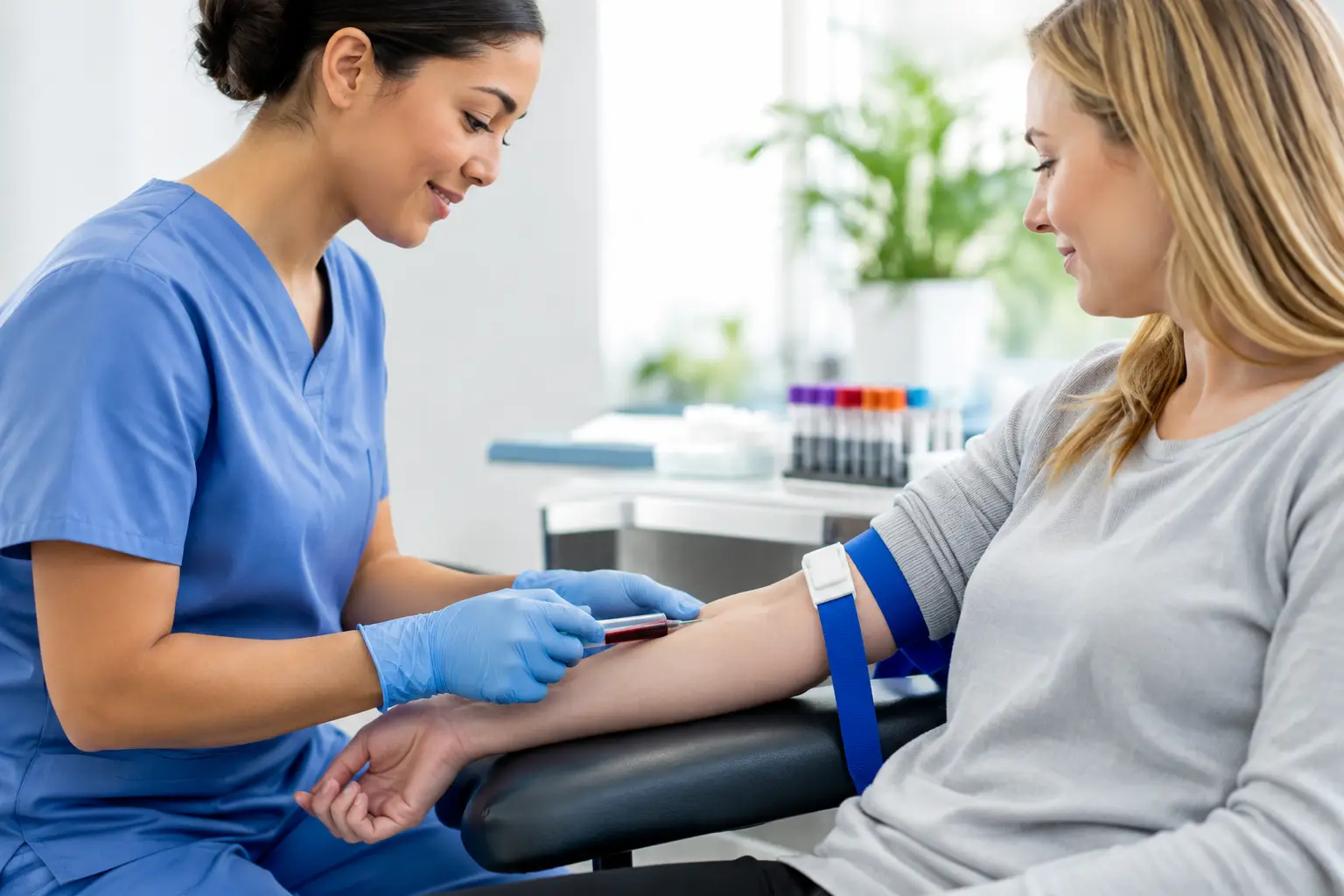
Mobile healthcare brings certified blood draws and specimen collection to your home or office, with privacy, comfort, and less time in waiting rooms too.
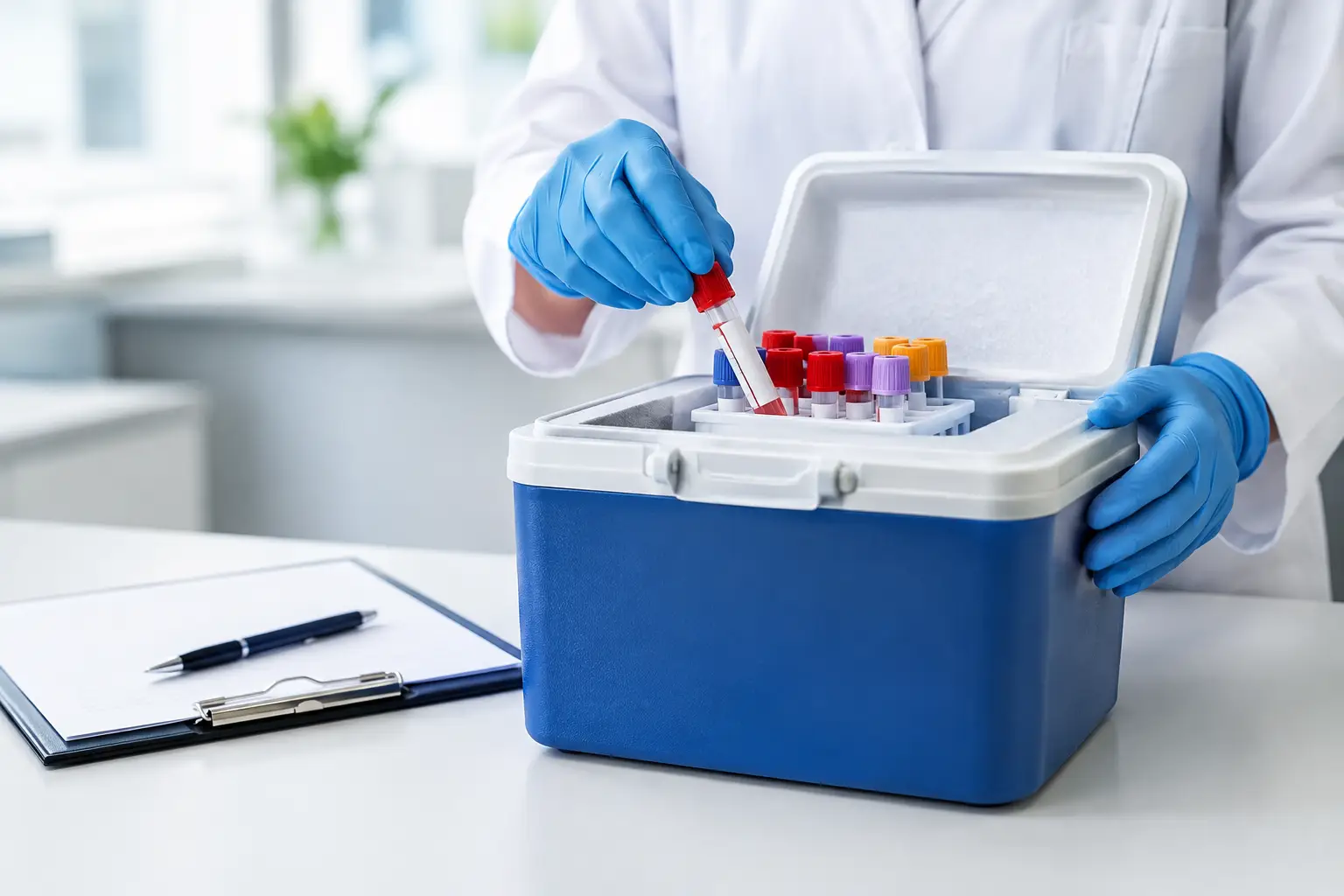
Specimen Transport Checklist for Safe Lab Delivery
A blood draw is only one part of getting reliable lab results. What happens after collection matters just as much. A clear specimen transport checklist helps make sure each tube, swab, kit, or specialty sample is correctly identified, protected, and delivered to the right laboratory within the required timeframe.
For patients, this is reassuring news: you should not have to figure out specimen handling on your own. A trained mobile phlebotomist brings the right supplies, follows the ordering provider’s and laboratory’s instructions, and coordinates delivery so you can stay comfortable at home, work, assisted living, or another convenient setting.
Why specimen transport deserves careful attention
Laboratory testing depends on the condition of the sample when it arrives. A specimen can be affected by a missing label, an incomplete requisition, a delay in transport, the wrong storage temperature, or damage during handling. Even a perfectly performed blood draw may need to be repeated if the specimen cannot be accepted by the receiving lab.
That is frustrating for anyone, but it can be especially difficult for older adults, people with limited mobility, patients in hospice or rehabilitation, busy families, and patients whose tests require a specific collection window. Careful coordination reduces avoidable repeat draws and helps your provider receive usable results as promptly as possible.
The exact requirements depend on the test. Routine blood work, therapeutic phlebotomy-related labs, prenatal DNA testing, home collection kits, cultures, and specialty processing may all have different instructions. The laboratory’s current requirements always come first.
A specimen transport checklist starts before collection
Good transport begins with preparation, not with a cooler after the draw. Before an appointment, confirm that the laboratory order is complete and that the patient information matches the identification available at the visit. If an insurance card, photo ID, kit paperwork, consent form, or special laboratory requisition is needed, having it ready prevents a last-minute delay.
Patients should also share anything that could affect the visit. This may include fasting instructions, difficult veins, a history of fainting, mobility needs, a preferred arm, an implanted device, or a physician-directed timing requirement. For children, a favorite toy, calm support person, or familiar blanket can make the collection feel much easier.
For specialty kits, do not open, refrigerate, freeze, or ship materials unless the kit or ordering provider specifically instructs you to do so. Some kits need to be collected at a particular time of day, while others include their own packaging and shipping steps. When in doubt, pause and verify the instructions before the sample is collected.
Your specimen transport checklist
A qualified collector will manage the technical details, but patients and care partners can use this checklist to understand what should be confirmed along the way:
- Correct patient identification. The collector should verify the patient’s identity using the information required by the laboratory and match it to the order or kit paperwork.
- Complete and legible labels. Specimen containers must be labeled according to laboratory policy, typically with patient identifiers and collection details. Labels should be applied at the collection site, not guessed at later.
- The correct container and collection method. Different tests may require a specific tube type, preservative, swab, urine cup, or collection kit. Substituting supplies can lead to rejection or inaccurate testing.
- Accurate collection time and date. Timing can matter for medication monitoring, hormone testing, timed collections, cultures, and many specialty tests.
- Required paperwork. The order, requisition, consent documentation, kit forms, and any necessary clinical details should travel with the specimen in the format required by the receiving laboratory.
- Temperature and handling instructions. Some samples are transported at room temperature, some need cooling, and some require prompt processing. A sample should never be placed on ice or refrigerated simply because it seems like the safer choice.
- Secure, leak-resistant packaging. Specimens need to be protected from breakage, spills, and contamination during travel, using appropriate biohazard materials and secondary containment.
- Prompt delivery to the designated laboratory. The right destination matters as much as speed. A test may need to go to a specific hospital laboratory, reference lab, or specialty processing location.
- Documented handoff when required. Certain specimens, clinical-study collections, and specialty services may require a chain of custody or documented transfer. This creates a clear record of who handled the specimen and when.
This is not paperwork for paperwork’s sake. Each checkpoint protects the connection between the sample, the patient, and the result your medical provider will use to make decisions.
Temperature, timing, and the limits of a one-size-fits-all rule
Patients often ask whether blood should be kept cold. The honest answer is: it depends. Cooling is correct for some specimens and incorrect for others. Certain samples are stable for a defined period at room temperature, while others need immediate delivery, protection from light, incubation, centrifugation, or another laboratory-directed step.
The same is true for timing. A routine panel may allow more flexibility than a test tied to a medication dose, fasting period, or specialty kit collection window. If a courier delay, appointment change, or unexpected problem occurs, the best response is to contact the laboratory or collection professional quickly. Trying to improvise storage instructions can create a bigger issue.
Mobile collection is especially helpful here because it removes a risky handoff. Rather than asking a patient or family member to drive a fresh specimen across town, figure out where to park, wait at a lab counter, and hope the receiving location accepts the order, a trained professional can coordinate the route and delivery plan from the start.
What patients can do to help on appointment day
Keep the collection area clean, well lit, and comfortably accessible. Have your order, identification, and any laboratory kit ready before the phlebotomist arrives. If fasting was ordered, follow your provider’s guidance, but drink water unless you were specifically told otherwise. Hydration can often make a blood draw more comfortable.
After collection, let the professional take responsibility for packaging and transport. Avoid carrying tubes around the house, placing them in the refrigerator, or setting them in direct sun while looking for paperwork. If you receive a self-collection kit that requires you to ship it yourself, follow its enclosed directions exactly and ask for help before the collection if any step is unclear.
For recurring services, such as therapeutic phlebotomy or physician-directed monitoring, it helps to keep a simple folder with your standing order, recent updates from your provider, and any laboratory-specific instructions. That small bit of organization can make future appointments much smoother.
When extra coordination is worth it
Some situations call for more than a standard draw-and-deliver plan. Patients in hospice, group homes, assisted living, rehabilitation, or post-surgical recovery may need coordination with a caregiver or facility nurse. A child, an anxious adult, or someone with challenging veins may benefit from a slower, more personal approach. Specialty samples may need advance confirmation with the receiving lab before the appointment is scheduled.
Phlebotomy Experts provides mobile collection and laboratory coordination with HIPAA-compliant care, helping patients across Southern California, the Bay Area, Austin, and Las Vegas avoid unnecessary travel and crowded waiting rooms. Availability can vary by location, test type, laboratory requirements, and the time-sensitive nature of the specimen, so it is wise to confirm appointment details early.
A well-handled specimen lets the focus stay where it belongs: on your care, your comfort, and the answers you and your provider are waiting for. If you have an upcoming draw or specialty kit, ask about the transport plan when you schedule. A few clear details before collection can spare you a repeat visit later.

Related Posts