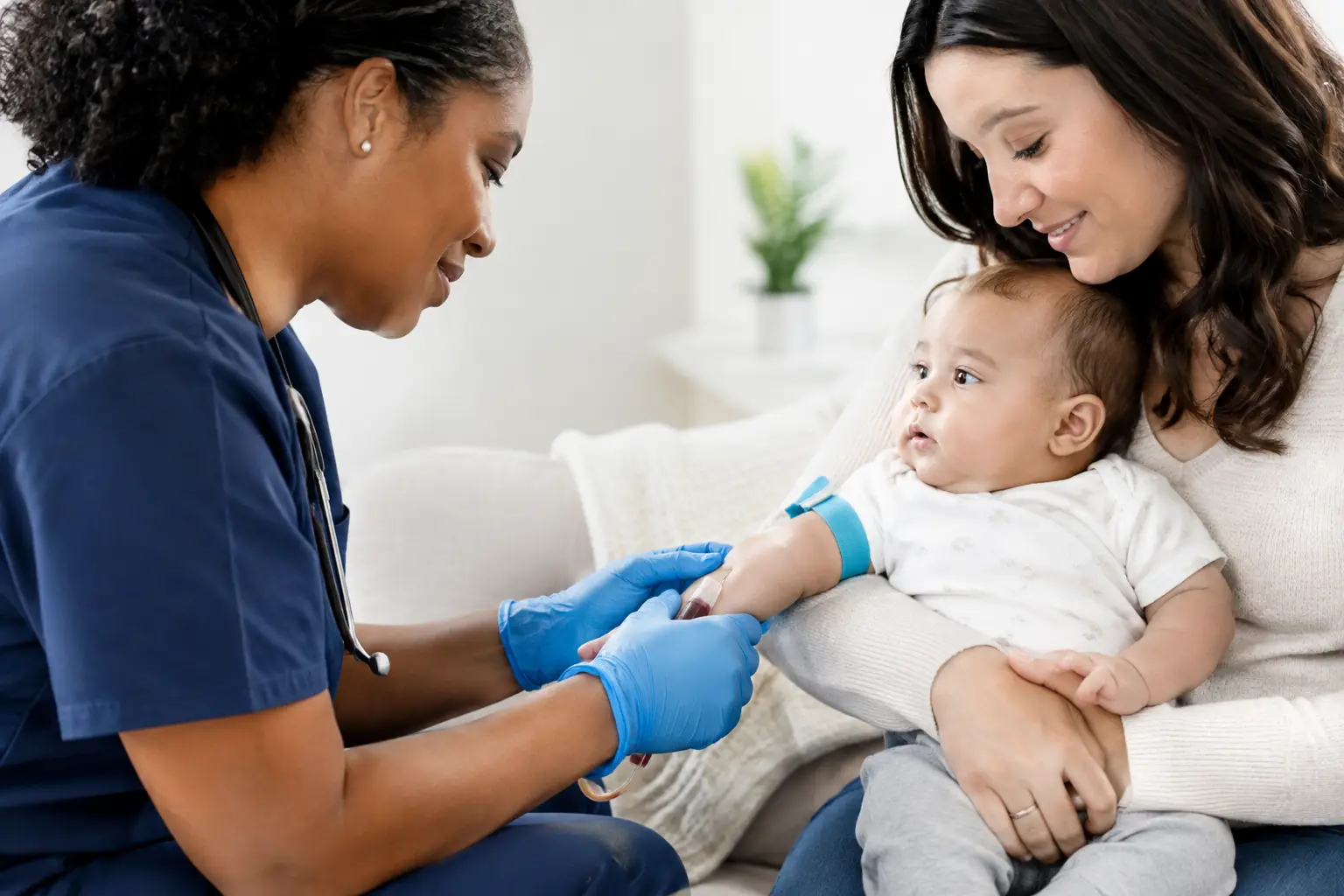
Can mobile phlebotomists draw infants? Learn when at-home collection is appropriate, how pediatric draws work, and what parents should expect at home.
Home Blood Test Kit Collection Made Easy
A test kit arriving at your door can feel like the easy part. Then comes the question: How do you collect the sample correctly, keep it stable, and get it where it needs to go on time? Home blood test kit collection is designed to make lab testing more convenient, but the quality of the result still depends on careful collection, handling, and delivery.
For many patients, a trained mobile phlebotomist brings peace of mind to that process. Instead of trying to manage a blood draw, specialty tube, packaging instructions, or shipping deadline alone, you can have an experienced professional come to your home, office, care facility, or another comfortable location.
What Home Blood Test Kit Collection Means
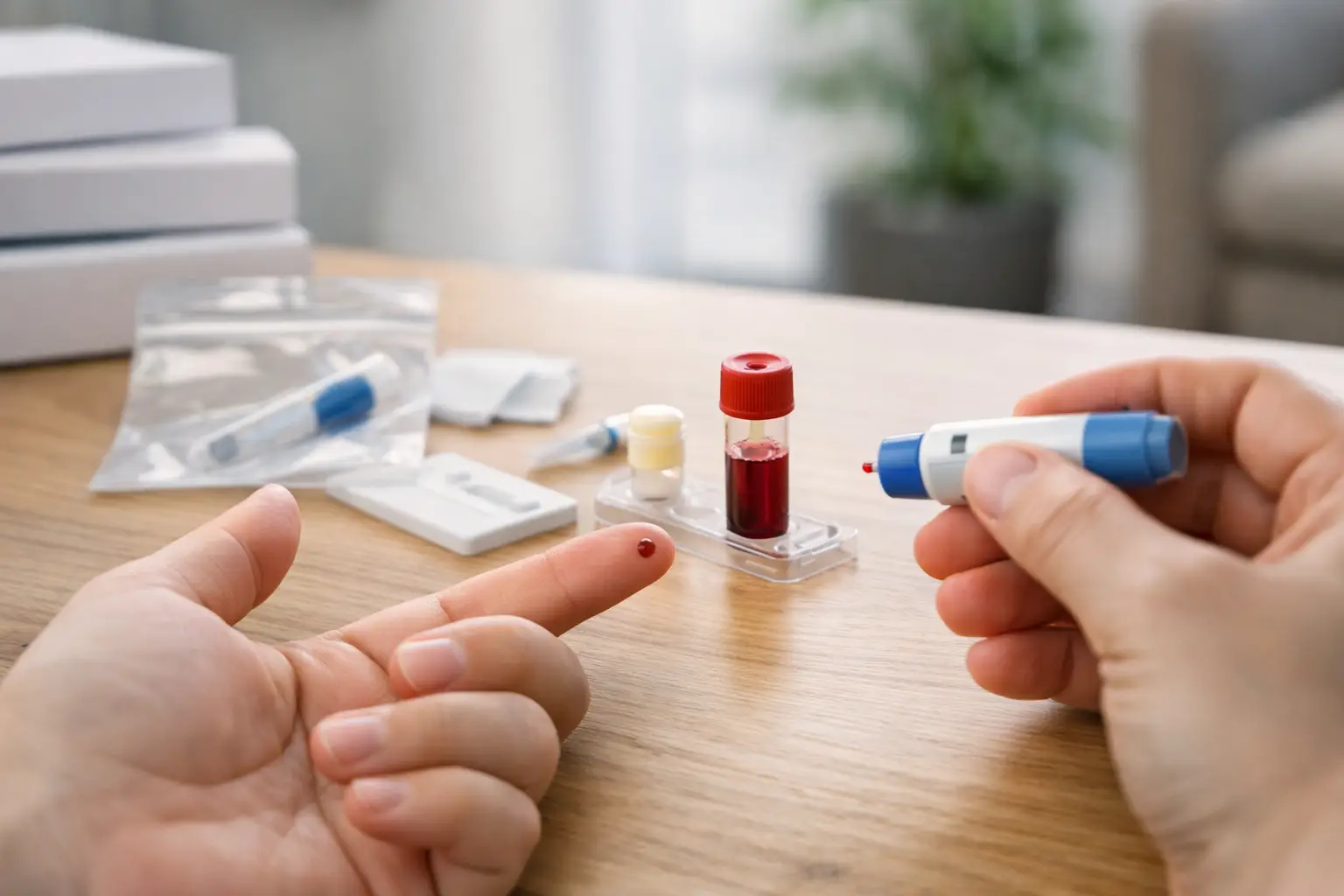
A home test kit may come from a physician, a specialty laboratory, a research study, or a direct-to-consumer testing company. Some kits use a simple finger stick. Others require blood drawn from a vein into specific collection tubes. Depending on the test, the specimen may need to be spun, chilled, protected from light, packaged in a particular way, or delivered to a laboratory within a limited time window.
That is where the details matter. A kit is not automatically the same as a fully supported testing appointment. The instructions inside the package tell you what the laboratory needs, but they may not make the collection process feel easy, especially if you are nervous around needles, caring for a parent, managing a chronic condition, or trying to fit testing into a full workday.
With mobile collection support, a phlebotomist reviews the kit requirements, performs the blood draw when applicable, labels and packages the specimen according to the provided instructions, and helps coordinate timely delivery. You still receive the test kit or order through the appropriate provider or laboratory. The collection visit helps ensure the specimen gets the careful handling it deserves.
When a Home Blood Test Kit Collection Visit Helps Most
Convenience is a real benefit, but it is not the only reason to request in-home collection. For older adults, people recovering from surgery, hospice patients, and residents of assisted-living or rehabilitation communities, getting to a lab can involve transportation, caregiver schedules, and unnecessary physical strain. Let the laboratory come to you instead.
Mobile collection can also be a thoughtful choice for immunocompromised patients or anyone who wants to avoid busy waiting rooms. A home or office appointment offers a more controlled setting and eliminates time spent driving, parking, checking in, and waiting for an available draw chair.
It can be especially helpful when a kit has strict instructions. Specialty testing may require a particular tube type, a timed collection, a centrifuge step, cold packing, or same-day laboratory drop-off. Not every kit has the same requirements, and not every service can support every type of specimen. A quick review before scheduling helps confirm what is needed and whether the collection can be completed properly.
Families often appreciate the personal side, too. A child who is worried about a blood draw may do better at home with a calm professional and a familiar parent nearby. Adults with difficult veins, needle anxiety, or a history of fainting may also feel more comfortable in their own space, with time to settle in before and after the draw.
How Mobile Kit Collection Works
The process should feel clear, not clinical or confusing. At Phlebotomy Experts, the goal is a concierge-style collection experience with a smile, while still following the laboratory’s instructions and protective protocols.
Before the appointment
Start by checking the kit, requisition, and any instructions from your doctor or testing company. Some tests require fasting, avoiding supplements, collecting at a particular time of day, or stopping at a shipping location before the final pickup deadline. Do not make changes to medications unless your prescribing clinician has told you to do so.
When you request an appointment, share the type of kit and the required collection date if one is listed. Let the mobile phlebotomy team know whether you have special access needs, difficult veins, a history of fainting, or a preferred location such as an office, residential community, or bedside setting. This helps the visit be planned around your comfort.
During the collection
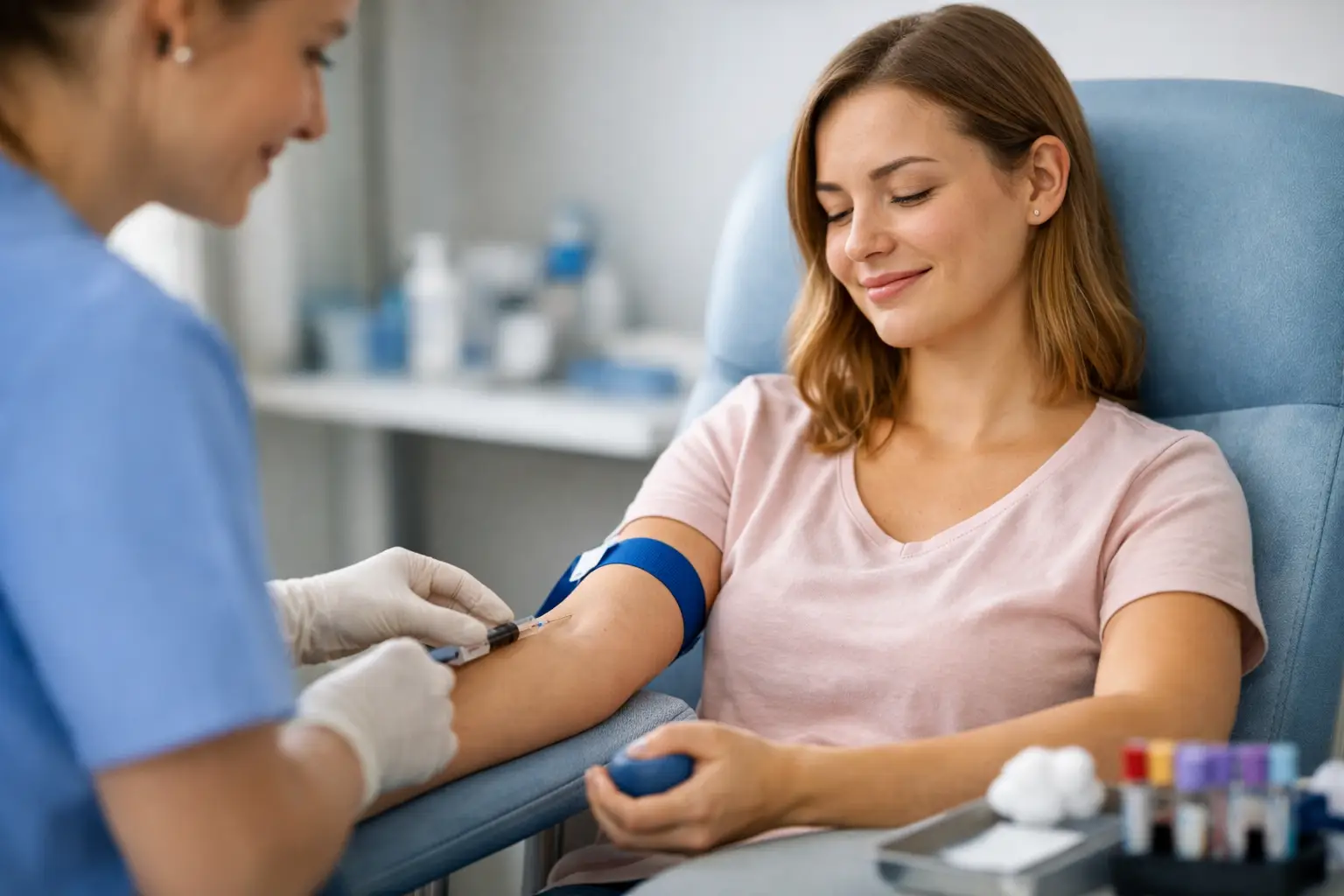
A qualified phlebotomist will verify the required paperwork and kit materials before beginning. If the kit calls for a venous blood draw, the phlebotomist uses standard collection procedures and the tubes provided or required by the laboratory. Correct patient identification and labeling are essential. A tube without the required label, date, time, or paperwork may be rejected by the laboratory, even when the draw itself went well.
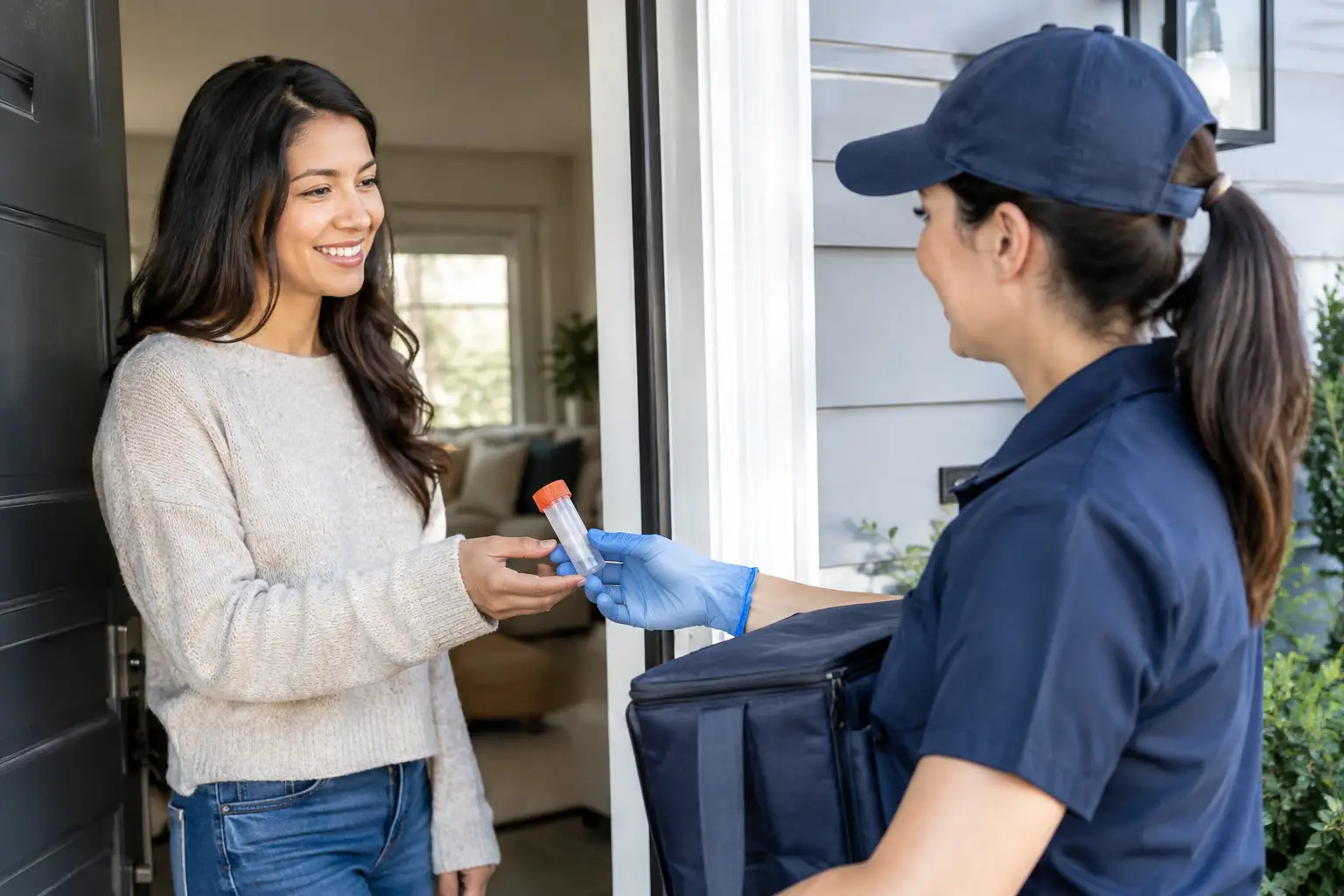
Your phlebotomist can also help you understand the immediate next step. Some specimens need to be handed to a courier, dropped at a designated laboratory, or shipped using the packaging supplied with the kit. Others need prompt delivery to a local lab or hospital. The best route depends on the test instructions, so it should never be guessed.
After the draw
Take a few quiet minutes before standing up, particularly if blood draws make you lightheaded. Keep the bandage on as directed, drink water if fasting is complete, and have a snack if your provider has allowed one. Mild tenderness or a small bruise can happen after a blood draw, but worsening pain, significant swelling, persistent bleeding, or signs of infection should be discussed with a medical professional.
The laboratory, physician, or test company is typically responsible for reporting results and explaining what they mean. Your collection professional protects the specimen journey. They do not replace your doctor or interpret testing results.
Prepare Your Space and Your Kit
A little preparation can make your appointment smoother. Choose a clean, well-lit area with a chair, a nearby table, and enough room for the phlebotomist to work safely. If possible, avoid a spot where you will feel rushed or distracted.
Before your appointment, have these items ready:
- The unopened test kit and every tube, label, form, and shipping material that came with it.
- Your photo identification, insurance information if requested, and laboratory or physician order when required.
- A glass of water, unless you have been told to restrict fluids, because hydration can make veins easier to access.
- Any fasting instructions, collection timing details, or special handling directions supplied by the laboratory.
Do not open tubes, remove labels, or pre-fill paperwork unless the kit specifically tells you to do so. One small mix-up can lead to a delayed or rejected specimen. If something is missing, expired, damaged, or unclear, pause before collecting. It is much better to confirm the instructions than to send a sample that may not be usable.
A Few Questions Patients Commonly Ask
Can every home test kit be collected by a mobile phlebotomist?
No. Finger-stick kits may be intended for self-collection, while other kits need laboratory processing that cannot be performed in every setting. Some tests have highly specific timing or transport requirements. Availability depends on the kit, your location, appointment timing, and the laboratory’s instructions.
Can a phlebotomist bring the kit?
Usually, the patient receives the kit from the ordering provider, laboratory, or testing company. If you are unsure what you need, check before scheduling. The right collection appointment begins with the correct kit and order in hand.
Will the specimen go to my regular lab?
That depends on the test. Many kits are designed for a particular laboratory and must be returned through that laboratory’s stated process. Mobile phlebotomy services can coordinate collection and delivery support when appropriate, but the kit instructions remain the final guide for specimen destination and handling.
What if I am nervous about the draw?
Please say so. Good bedside manner is not an extra. It is part of good care. A compassionate, experienced phlebotomist can talk you through the steps, help position you comfortably, and give you time to breathe. You do not have to act like a Cool Cat if needles make you uneasy.
A blood test may be routine, but your experience should never feel rushed or impersonal. When the right professional handles your home blood test kit collection with care, you can focus less on the logistics and more on the next step in your health journey.

Related Posts