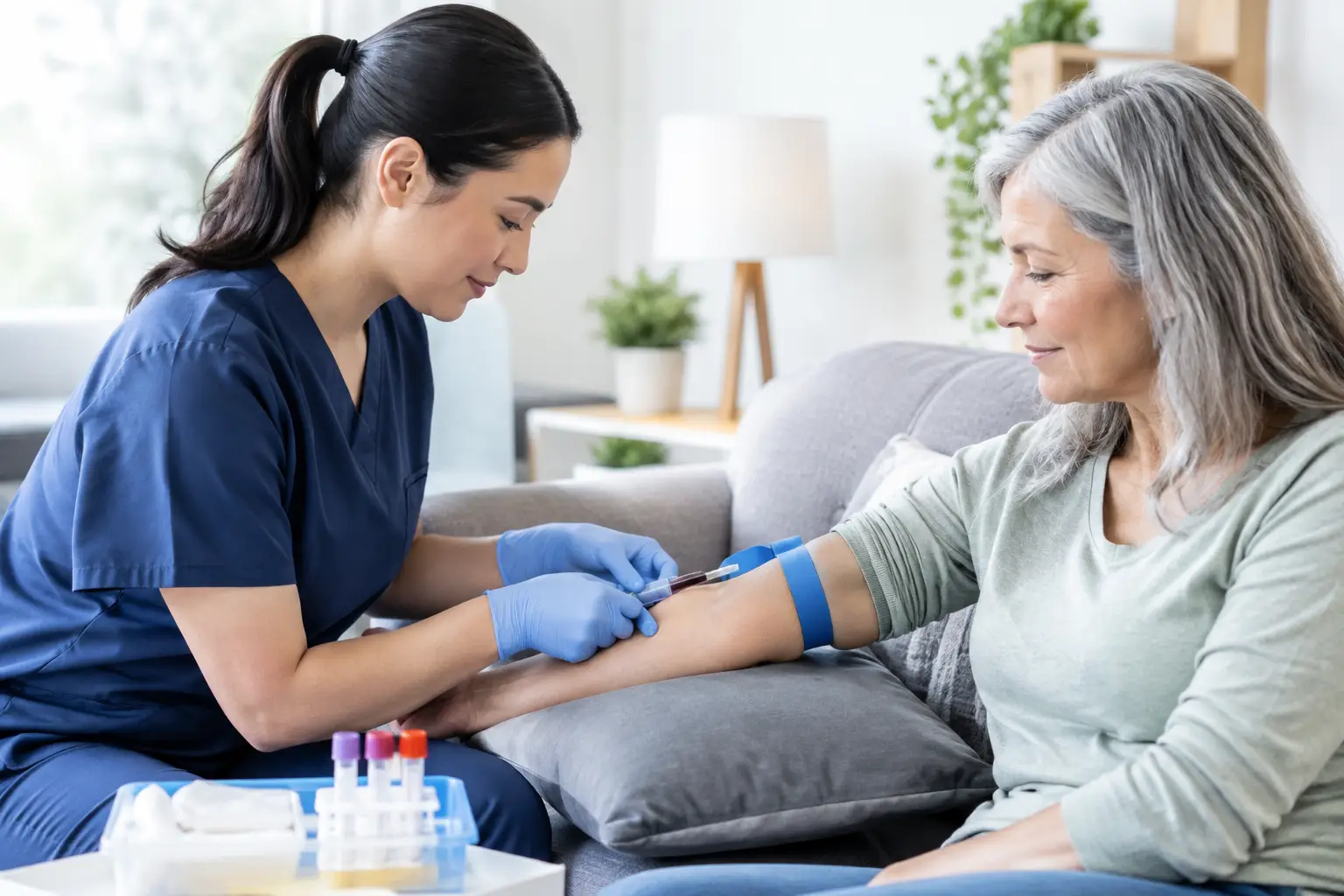
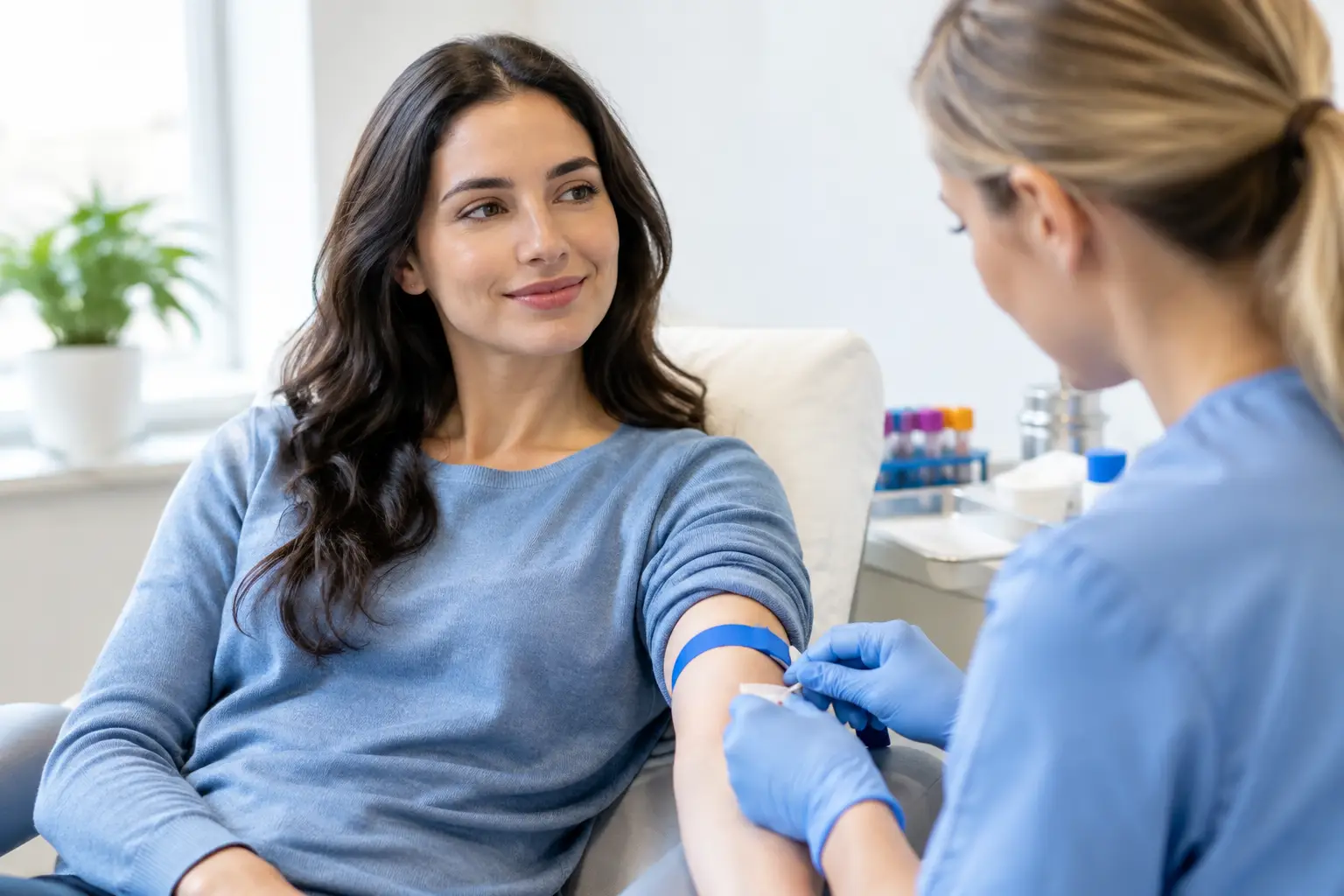
A homebound testing guide for arranging safe, comfortable blood draws at home, preparing your paperwork, and getting specimens to the right lab on time.
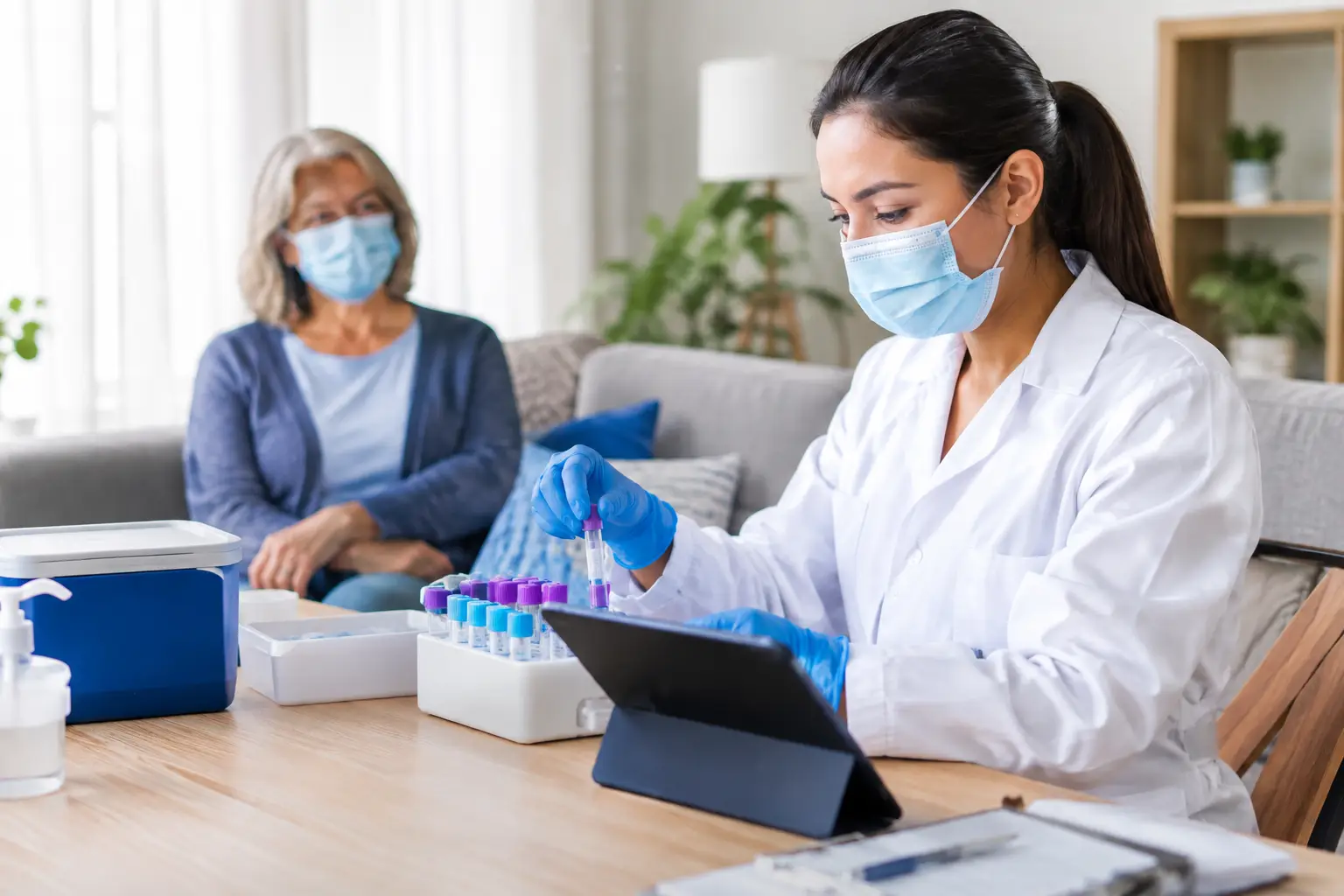
Your Guide to Mobile Lab Safety at Home Visits
A blood draw should not require a crowded waiting room, a long drive, or asking a loved one to rearrange their day. But when the laboratory comes to your home, office, assisted-living community, or rehabilitation facility, you still deserve the same careful standards you would expect in a clinical setting. This guide to mobile lab safety explains what patients and caregivers should look for before, during, and after an on-site specimen collection.
Mobile collection can be a wonderful option for busy families, older adults, people with mobility limitations, hospice patients, and anyone trying to limit exposure to crowded healthcare spaces. The convenience is real, but safety is never an optional add-on. It starts with a qualified professional, follows a careful collection process, and ends with prompt handling of your specimen.
What Safe Mobile Lab Collection Should Look Like
A mobile blood draw is not simply someone arriving with a needle and a bag. A properly handled appointment involves confirming the physician’s order or lab requisition, identifying the right patient, using clean supplies, labeling specimens accurately, and preparing the samples for delivery according to laboratory requirements.
The exact process may differ depending on the test. A routine blood panel, a specialty kit, a timed test, a therapeutic phlebotomy appointment, and a collection for serum eye drops can each have different instructions. That is why an experienced mobile phlebotomist asks questions before collecting. They may confirm fasting status, medication timing, the required tubes, whether the specimen needs special temperature handling, and which laboratory will receive it.
Convenience should make care easier, not less careful. If an appointment feels rushed, unclear, or disorganized, pause and ask questions. A good provider welcomes them.
Verify the Person Coming to Your Door
Before any collection begins, you should know who is providing care and why they are qualified to do it. A professional mobile phlebotomist should be prepared to identify themselves and explain the appointment in plain language.
Certification, licensing, and scope-of-practice requirements vary by state, so the right credentials can depend on where you live and the services being performed. Ask the company how its staff are trained, certified, and supervised. If you are arranging care for a parent or resident in a care community, ask whether the provider regularly works with patients who have fragile veins, dementia, mobility challenges, or complex medical needs.
Experience matters just as much as paperwork. A skilled phlebotomist knows how to create a calm environment, position a patient safely, recognize when a patient needs a break, and respond appropriately if someone feels faint. For children, anxious adults, and patients with difficult veins, bedside manner is part of safety. Being heard and treated gently can prevent a stressful appointment from becoming an avoidable problem.
You may also want to confirm the appointment details before the visit: the patient’s full name, collection address, expected arrival window, tests being collected, and any instructions from the ordering provider or laboratory. This reduces confusion when the phlebotomist arrives.
A Clean Setup Is a Safety Essential
Your home does not need to look like a medical office for a blood draw to be performed safely. It does need a clean, well-lit area where the patient can sit or recline comfortably. A kitchen or dining table area often works well, as long as there is enough room for supplies and the surface can be cleaned.
The phlebotomist should use single-use collection equipment and follow proper hand hygiene and protective protocols. Needles and other sharps should be handled carefully and placed directly into an appropriate sharps container, never left on a counter, table, or bedside surface.
Patients should not feel shy about asking for a clean setup. If you are immunocompromised or receiving care in hospice, rehab, or assisted living, tell the scheduler in advance. The mobile team can plan for the setting and help you prepare a space that supports safe, comfortable care.
If you are prone to dizziness during blood draws, do not try to power through while standing at a counter. Let the phlebotomist know before the collection starts. It may be safer to draw blood while you are seated with support or lying down, depending on your history and the professional’s assessment.
Correct Identification Protects Your Results
One of the most important parts of a safe collection happens before the needle touches your arm. The phlebotomist should confirm your identity using the information required by the laboratory, commonly your full name and date of birth. This step may feel repetitive, especially when the collector already knows you or is visiting a family member, but it protects against specimen mix-ups.
The order should also be reviewed carefully. Patients should mention any missing tests, changes from their physician, or concerns about a specialty kit before collection begins. Once a sample has been drawn, the wrong tube or missed requirement can mean another appointment and another needle stick.
Specimens should be labeled according to laboratory protocol, typically while the phlebotomist is still with the patient. If labels are placed later without the patient present, the risk of error increases. For certain tests, the paperwork, timing, patient signature, or collection conditions matter just as much as the blood itself.
This is especially true for prenatal DNA testing, home test kits, clinical-study collections, and specialty processing. A qualified mobile provider understands that the specimen is only one part of the process. Accurate documentation helps the laboratory know what it has received and how it should be handled.
Specimen Transport Is Part of Mobile Lab Safety
A perfectly collected sample can still be affected by poor transport. Some specimens must reach the laboratory quickly. Others require refrigeration, protection from light, special packaging, or a specific pickup window. The appropriate handling depends on the test, the laboratory, and the instructions attached to the order.
Ask what will happen to your specimen after the appointment. You do not need a technical lecture, but you should receive a clear answer about who is delivering it, where it is going, and how it will be handled. When patients are using an established laboratory, it is also reasonable to ask whether the mobile provider is familiar with that laboratory’s collection requirements.
At Phlebotomy Experts, the mobile concierge model is built around collection and laboratory coordination, including prompt delivery to established labs and hospitals when applicable. That coordination is valuable because it helps patients avoid the extra burden of transporting sensitive specimens themselves.
There are trade-offs to consider. Same-day collection may be available in some locations, but availability, test requirements, traffic, weather, laboratory hours, and courier timing can affect what is possible. A trustworthy provider will explain those limits instead of making promises that cannot be safely kept.
Protecting Privacy During an In-Home Appointment
Mobile care should feel personal without becoming casual about private health information. Your order, identity details, medical history, and results-related paperwork should be handled discreetly. Ask how appointment information is scheduled, documented, and communicated, particularly if a caregiver, employer, or facility staff member is involved.
HIPAA-compliant practices matter in the field just as they do inside a clinic. A professional should avoid discussing your information where unnecessary people can hear it and should collect only the details needed to provide the service. If someone else is coordinating the visit for you, make sure you understand what information you have authorized them to receive.
For office appointments, choose a private room whenever possible. For assisted-living or group-home settings, a quiet space can help protect privacy and allow the patient to relax. Small details like closing a door or moving away from a busy common area can make a meaningful difference.
Know When to Speak Up or Reschedule
Most mobile blood draws are straightforward, but you should feel comfortable stopping the process if something does not feel right. Rescheduling may be the safer choice if you do not have the correct order, cannot confirm the visitor’s identity, are severely dehydrated, feel acutely unwell, or have not followed essential fasting instructions for a test.
Tell the phlebotomist about previous fainting, bruising, difficult veins, blood-thinning medications, allergies to adhesives, or any condition that may affect collection. These details help the professional make practical adjustments and give you better aftercare instructions.
After the draw, hold pressure as directed and keep the bandage on for the recommended period. Mild tenderness or a small bruise can happen, but persistent bleeding, worsening pain, substantial swelling, or signs of infection deserve medical attention. For urgent symptoms such as trouble breathing, chest pain, severe weakness, or loss of consciousness, seek emergency care rather than waiting for a callback from a mobile service.
A safe mobile appointment should leave you feeling cared for, informed, and clear on what happens next. Before you schedule, gather your lab order, review any preparation instructions, and choose a provider that treats your comfort with the same seriousness as your specimen. A little preparation gives your care team the room to do what they do best: bring skilled, compassionate collection right to you.

Related Posts