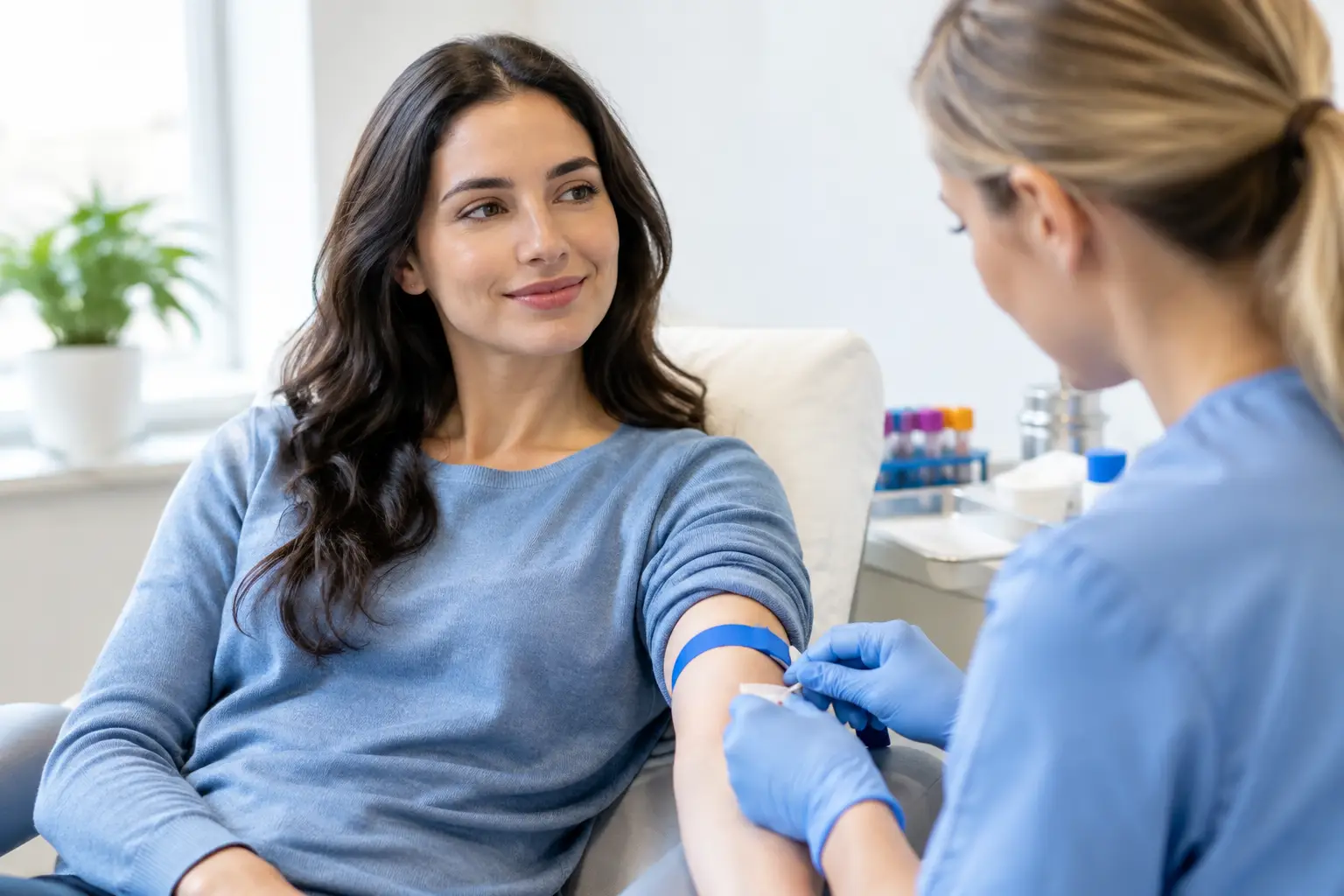
Blood draw anxiety can make a simple lab visit feel overwhelming. Learn practical ways to feel safer, calmer, and more in control before testing at home.
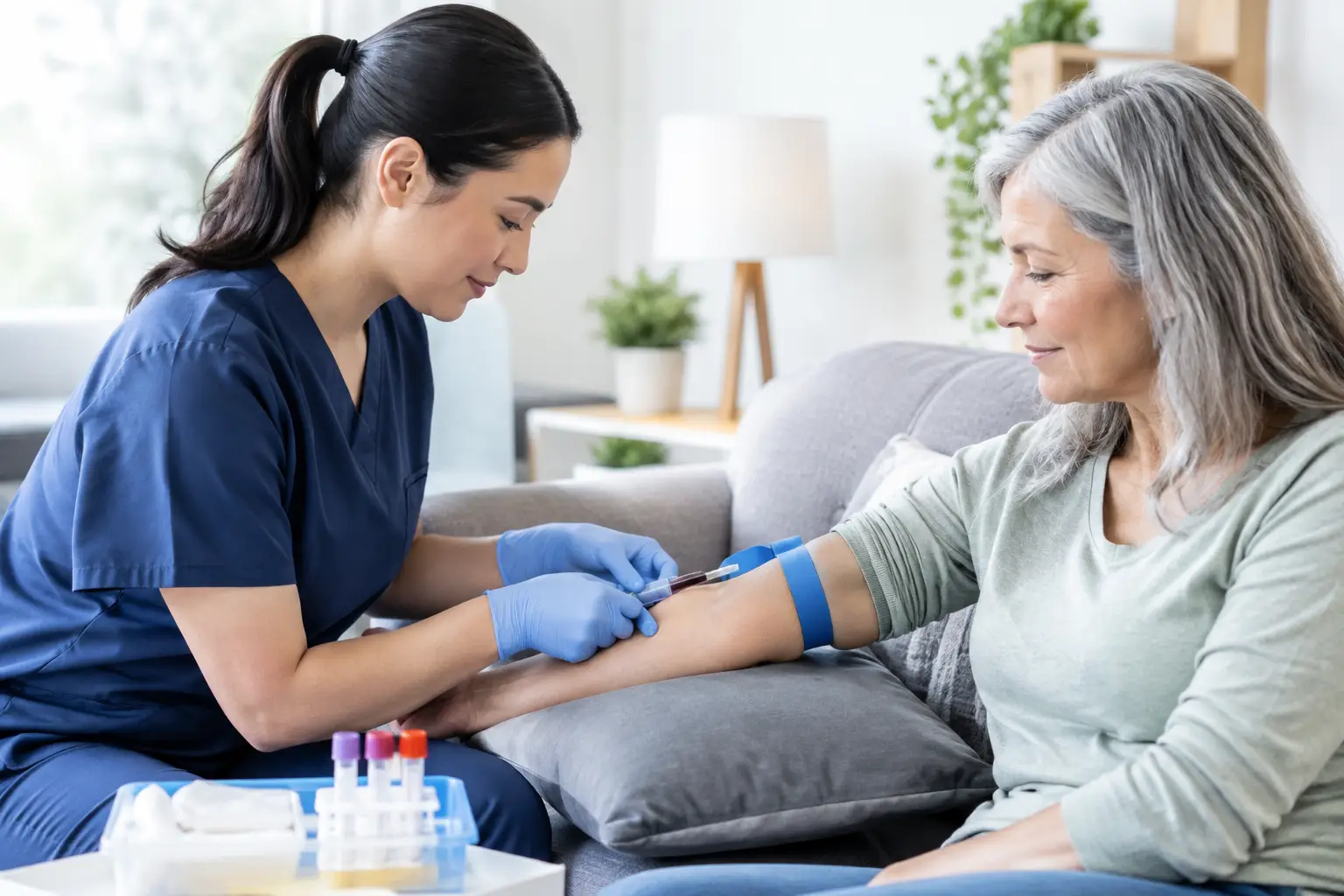
Homebound Testing Guide for At-Home Blood Draws
A blood test should not require an exhausting trip across town, a crowded waiting room, or a long stretch in a hard lab chair. This homebound testing guide is for patients and families who need a simpler way to complete physician-ordered laboratory work without giving up careful, professional collection.
For an older parent, a patient in rehabilitation, a busy professional, or someone avoiding unnecessary exposure, at-home specimen collection can turn a difficult errand into a calm appointment at the kitchen table, bedside, office, or care facility. The key is knowing what to arrange before the phlebotomist arrives and what happens after the tubes are collected.
Your Homebound Testing Guide Starts With the Lab Order
Most blood testing begins with an order from your physician, nurse practitioner, specialist, or telehealth provider. Before scheduling a mobile appointment, have the order ready in the format requested by your laboratory or mobile phlebotomy provider. A paper requisition, a PDF sent by your provider, or electronic lab instructions may all work, but it is best to confirm before the appointment.
Read the order closely. It should identify the tests requested, the ordering provider, and the laboratory that will process the specimen when applicable. If you have a testing kit from a specialty company, keep the complete kit and its instructions together. Do not open collection materials early unless the kit specifically tells you to do so.
Not every test can be collected at home. Some specimens need immediate processing, special temperature controls, timed collection, or hospital-based handling. That does not mean home collection is off the table, but it does mean coordination matters. A qualified mobile phlebotomist can help confirm whether the requested collection, kit, and delivery plan are appropriate before anyone arrives.
Know Whether You Need to Fast or Prepare
The right preparation helps prevent an inconvenient repeat draw. Your doctor or laboratory may ask you to fast for certain tests, particularly some glucose, cholesterol, triglyceride, or metabolic testing. Fasting instructions vary, so follow the directions on your order rather than assuming every blood test requires it.
If fasting is required, water is usually encouraged unless your clinician says otherwise. Being well hydrated often makes veins easier to access and can help you feel better during the draw. Avoid changing prescribed medications on your own. If you are unsure whether to take a morning medication, call the ordering provider or pharmacist for guidance.
Plan ahead for specialty situations too. For therapeutic phlebotomy, bring or have available the treatment order and any required parameters from your physician. For prenatal DNA gender testing, confirm how far along you must be and whether the test company has specific collection rules. For serum eye drops, PRP-related services, or a home test kit, the collection and transport requirements can be very specific. A quick confirmation before the visit protects your time and your specimen.
Choose a Comfortable Collection Space
Homebound testing does not need a medical-looking room. A clean, well-lit area with a stable chair, table, or bedside setup is usually enough. Choose a spot where you can sit comfortably with one arm supported. If you tend to feel lightheaded during blood draws, let the scheduler know in advance so you can be collected in a safer reclined or lying-down position when appropriate.
Have your photo ID, insurance information if requested, lab order, and payment details ready before the appointment. If someone is helping you manage care, ask them to stay nearby for paperwork and reassurance. For children, a favorite toy, video, or familiar adult can make a big difference. Little comforts are not little when someone is nervous.
A mobile appointment is also a good fit for assisted-living residents, hospice patients, and people recovering from surgery. In those settings, staff or family members can help identify the patient, provide current orders, and ensure the collection happens around meals, medications, therapies, or rest.
What Happens During an At-Home Blood Draw
A professional home collection visit should feel organized, not rushed. The phlebotomist verifies the patient and order, prepares the supplies, and explains what will happen. You may be asked to confirm your name and date of birth more than once. That is a safety step, not a hassle.
The draw itself is usually quick. The phlebotomist cleans the collection site, applies a tourniquet, collects the required tubes, labels them carefully, and places a bandage after removing the needle. Depending on the tests ordered, several tubes may be needed. The number of tubes does not always reflect the amount of blood being taken, and the phlebotomist can explain the process if you are concerned.
Tell the phlebotomist if you have fainted before, have difficult veins, have had lymph nodes removed, use a port, take blood thinners, or have restrictions on one arm. These details help the visit go more smoothly. A caring collector will listen, adjust where possible, and never make you feel like you are slowing things down.
Phlebotomy Experts provides this kind of Mobile Phlebotomy Concierge care with certified field experience, HIPAA-compliant practices, and a patient-first bedside manner. Whether the appointment is for a routine draw or recurring care, the goal is the same: respectful collection where you are most comfortable.
Specimen Delivery Is Part of the Care
The blood draw is only one part of testing. The specimen must reach the correct laboratory within the required timeframe and under the right handling conditions. That is why mobile collection should include a clear delivery plan rather than leaving a patient or family member to figure out where to take tubes afterward.
In many cases, the phlebotomist coordinates delivery to an established laboratory or hospital laboratory. The destination may be based on the order, your insurance requirements, the testing kit instructions, or the ordering provider’s preference. Some samples must be delivered promptly, while others require packaging, centrifuging, refrigeration, or particular courier procedures.
Ask a simple question when you schedule: Where will my specimen go after collection? You should also ask how results will be communicated. In most cases, the laboratory sends results to the ordering provider, who reviews them with you. A mobile phlebotomist collects and coordinates the specimen but does not diagnose results or replace your clinician.
When Homebound Testing Makes the Most Sense
At-home blood draws are especially helpful when getting to a lab creates a real barrier. That may mean limited mobility, no reliable transportation, a high-risk immune system, recovery after surgery, caregiving responsibilities, or a work schedule that makes traditional lab hours difficult.
There are trade-offs. A mobile service may have a travel or collection fee, and insurance coverage for the collection visit can differ from coverage for the laboratory test itself. Same-day availability may depend on your location, the type of test, and the time-sensitive handling requirements. If your physician believes you need urgent evaluation, chest-pain assessment, severe dehydration treatment, or emergency care, a home blood draw is not the right substitute.
For planned testing, though, home collection can remove the part that causes the most stress. Instead of spending half the day traveling and waiting, you can focus on your health while a trained professional comes to you.
A Few Details That Prevent Delays
Before your appointment, confirm the address, parking or entry instructions, your phone number, and the name on the lab order. If you live in a secured building, arrange access ahead of time. If you are in a facility, tell staff when the phlebotomist is expected.
Keep drinking water if permitted, wear sleeves that can be rolled up easily, and set aside your documents in one place. After the draw, hold gentle pressure as instructed and leave the bandage on for the recommended time. If you feel dizzy, stay seated or lying down until you feel steady.
The best homebound testing experience is not fancy. It is prepared, calm, and handled by people who understand that a lab order represents a real person waiting for answers. Check appointment availability early, ask the questions that matter to you, and let the laboratory come to you with a little more comfort and a Smile.

Related Posts