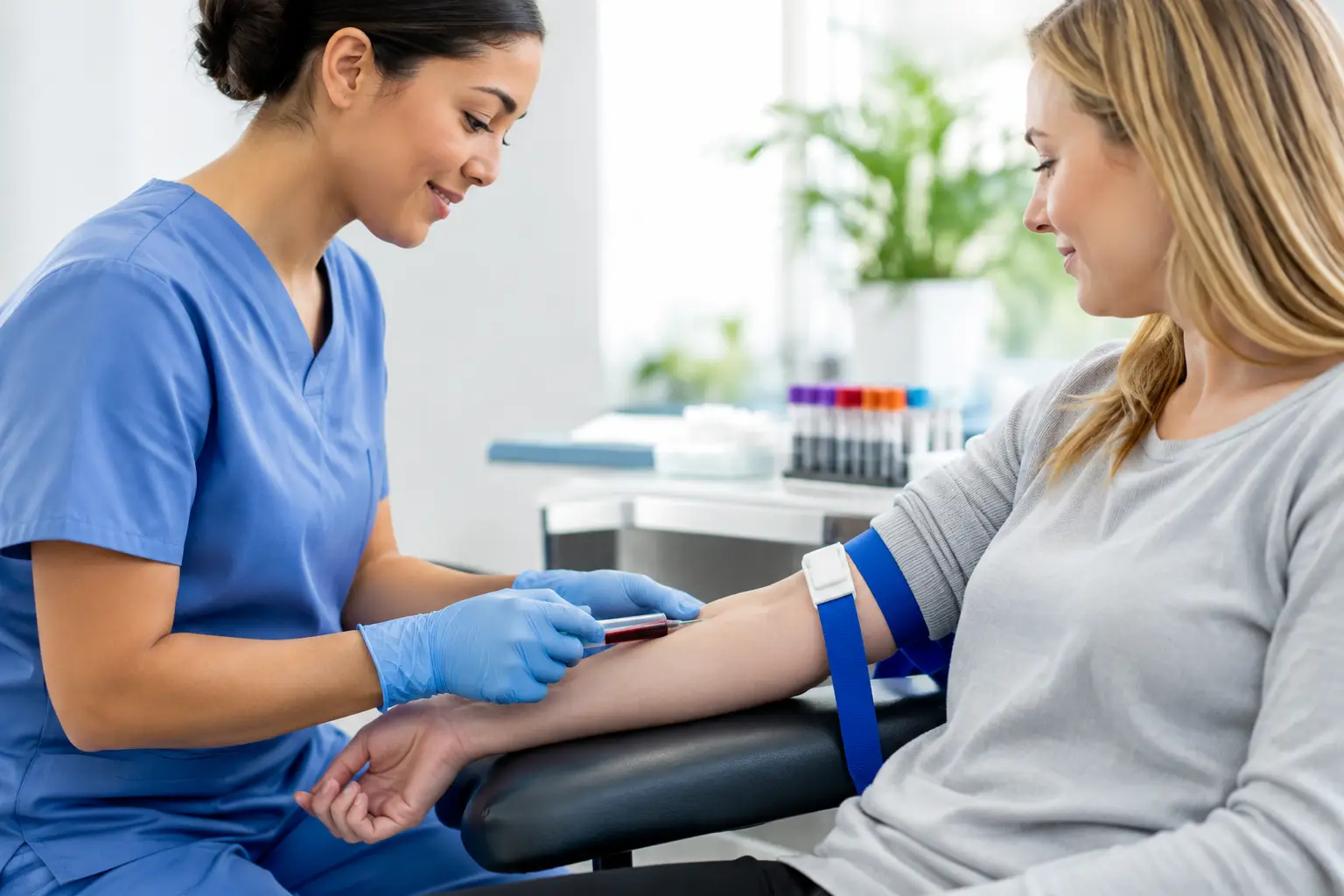
Mobile healthcare brings certified blood draws and specimen collection to your home or office, with privacy, comfort, and less time in waiting rooms too.
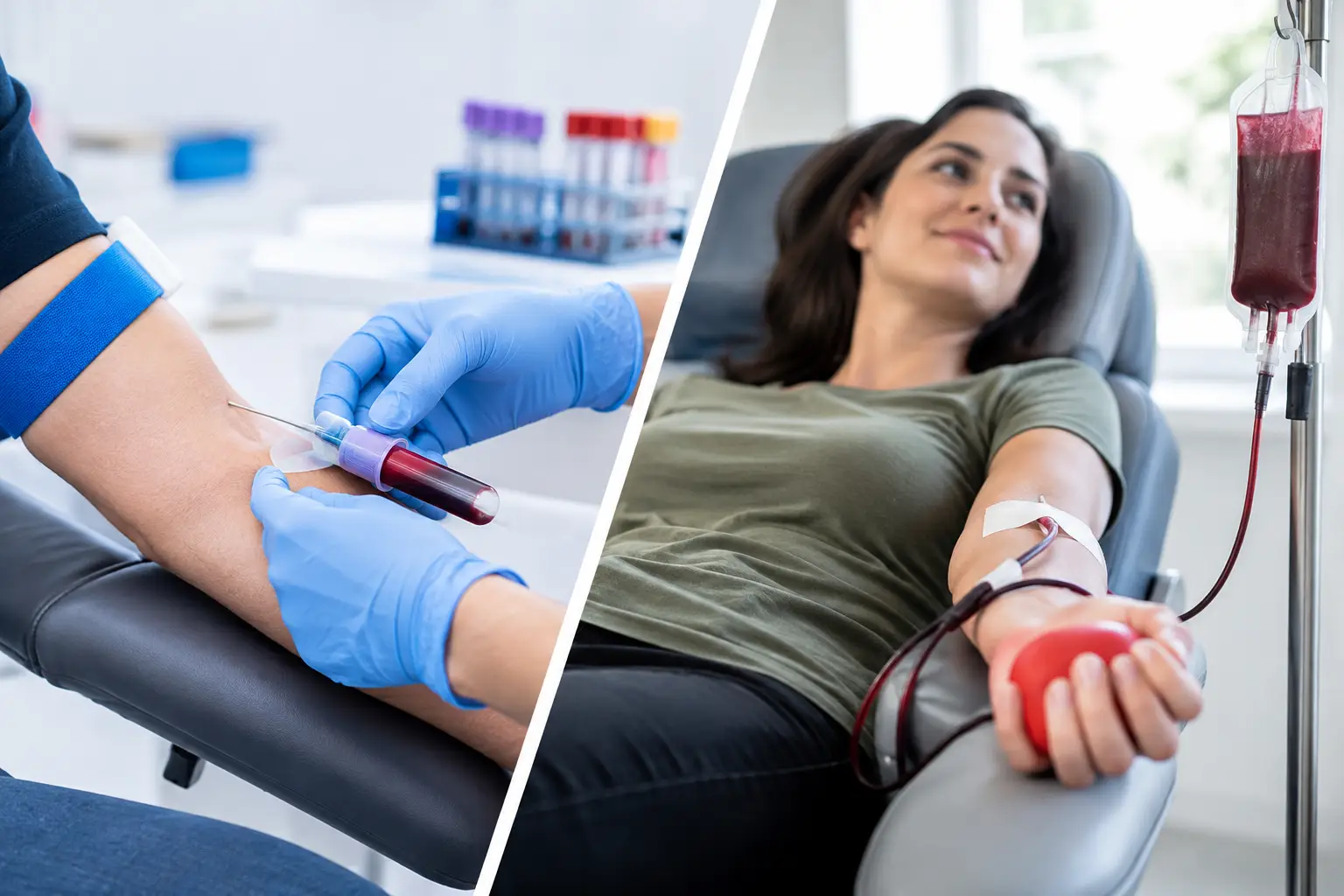
Phlebotomy Versus Donation: Key Differences
A pint of blood may be collected in both settings, but phlebotomy versus donation is not a matter of choosing whichever appointment feels more convenient. One is medical care ordered or directed for your health. The other is a voluntary gift intended to help a patient in need.
That distinction affects who oversees the process, what happens to the blood, how often you may be collected, whether insurance may be involved, and what follow-up you need. If your physician has recommended therapeutic phlebotomy, the goal is to follow that plan safely and comfortably – not simply to find a place that removes blood.
Phlebotomy Versus Donation: The Main Difference
Therapeutic phlebotomy is the controlled removal of blood as part of a physician-directed treatment plan. Your provider may order it to help manage conditions that can cause too much iron or an elevated red blood cell count. Hemochromatosis, polycythemia vera, and certain other blood-related conditions are common examples, but every patient’s care plan is individual.
Blood donation is a volunteer procedure performed through a blood collection organization. Its purpose is to collect blood or blood components for transfusion to others. Donors go through that organization’s eligibility review, and the collected blood enters its processing and distribution system if it meets all requirements.
The procedures can feel similar. Both often involve a needle in the arm, a collection bag, a short recovery period, a snack or drink, and simple aftercare. But the reason for the collection is different, and that reason guides every next step.
With therapeutic phlebotomy, your clinician determines whether you need treatment, how much blood should be removed, how frequently it should occur, and which lab values or symptoms need monitoring. With donation, the blood center applies its own donor-safety and recipient-safety standards. A person may be healthy enough to donate yet not need therapeutic treatment. A person who needs therapeutic treatment may not qualify to donate at that time.
Why a Doctor’s Order Matters for Therapeutic Phlebotomy
Therapeutic phlebotomy is not a one-size-fits-all blood draw. Your ordering provider may specify the volume to collect, such as a standard unit or a different amount based on your condition, size, age, hemoglobin level, blood pressure, and treatment history. They may also give instructions about how often treatment should happen and when it should be held.
For some patients, treatment is frequent at the beginning and becomes less frequent once laboratory levels are under control. Others need ongoing maintenance visits. Missing appointments, collecting too often, or following a schedule that was designed for someone else can leave you feeling unwell or interfere with your care goals.
Your medical team may monitor values such as hemoglobin, hematocrit, ferritin, or iron studies before and during treatment. Those results help determine whether it is safe and appropriate to proceed. A donation center’s quick screening is designed for donor eligibility. It is not a replacement for the lab monitoring your clinician has ordered.
This is why a therapeutic appointment should begin with clear paperwork and instructions. A qualified phlebotomist needs to know what has been ordered, where the specimen or blood is going, whether pre-collection vitals are required, and what to do if your provider has set hold parameters.
Can therapeutic blood be used for donation?
Sometimes, under specific blood-center policies, blood collected from certain therapeutic patients may be eligible for the donor supply. In many other situations, it is not. The decision belongs to the blood collection organization and is based on its current rules, testing standards, labeling requirements, and medical criteria.
Please do not assume that a therapeutic phlebotomy appointment automatically counts as a donation or that a donation can automatically replace prescribed treatment. Ask your ordering clinician and the blood collection organization directly. Policies can vary, and they can change.
What Happens During Each Type of Appointment
A therapeutic phlebotomy visit usually starts with confirmation of your order and identity. Depending on the plan, the phlebotomist may check your blood pressure, pulse, and other information before proceeding. The collection itself often takes only a short time, though the full appointment includes preparation, observation, and recovery.
Afterward, you may be asked to rest briefly, drink fluids, and have a light snack. Many people feel fine after treatment, while others can experience temporary lightheadedness, fatigue, sweating, or bruising. Let the phlebotomist know immediately if you feel faint, nauseated, unusually weak, or uncomfortable. You never need to tough it out.
At a blood donation appointment, the organization follows its own registration, health-history, screening, collection, and recovery process. Donors may be deferred for many reasons, including recent travel, medications, low hemoglobin, illness, certain procedures, or other eligibility factors. A deferral does not necessarily mean something is medically wrong. It means the organization has determined that donation should wait or is not permitted under its guidelines.
Both experiences should include clean technique, trained personnel, careful identification practices, and clear aftercare. The best setting is one where you feel heard, not rushed.
Convenience Does Not Change the Medical Plan
For patients managing recurring therapeutic phlebotomy, getting to a lab or hospital can be the hardest part. This is especially true for older adults, people in assisted living or rehabilitation settings, patients with limited mobility, busy professionals, and anyone trying to reduce exposure to crowded waiting rooms.
Mobile service can bring a trained phlebotomist to a home, office, care facility, or other appropriate location. That can make it much easier to stay consistent with physician-directed care. Convenience is valuable, but it should always work alongside your order, your provider’s instructions, and the required laboratory or facility coordination.
At Phlebotomy Experts, our mobile phlebotomy concierge approach is built around that patient-first process. We coordinate collection services with your medical instructions, use HIPAA-compliant practices, and focus on the calm, respectful bedside manner that makes a medical appointment feel more manageable. For families and caregivers, having an experienced professional come to the patient can remove a great deal of stress.
Availability, service area, and the details of your order all matter. Calling ahead helps confirm what paperwork is needed, whether same-day support is available, and how the collection will be handled.
How to Prepare for a Therapeutic Phlebotomy Appointment
Unless your ordering provider gives you different instructions, arrive well hydrated and eat a normal, balanced meal beforehand. Skipping food or limiting fluids can make dizziness more likely. Wear a shirt with sleeves that can be easily raised, and bring identification along with your order or any documents your service has requested.
Tell the phlebotomist about prior fainting, difficult veins, bleeding concerns, current illness, pregnancy, or anything else that could affect your comfort or safety. If you take medications, follow your prescribing clinician’s guidance. Do not stop a medicine simply because you have a phlebotomy appointment unless the clinician managing your care has told you to do so.
Plan for a lighter day if possible. Avoid heavy lifting and strenuous exercise with the collection arm for the rest of the day. Keep drinking water, leave the bandage on for the recommended time, and rise slowly from sitting or lying down. If bleeding continues, you faint, develop severe symptoms, or have concerns after the visit, seek medical guidance promptly.
Choosing the Right Path
If you are healthy and want to help others, blood donation can be a generous and lifesaving act. Contact a recognized donation organization to learn its current eligibility requirements and appointment process.
If your physician has told you that you need blood removed for a medical reason, therapeutic phlebotomy is the appropriate conversation. Bring your order, ask how your results will be monitored, and choose a collection option that makes it realistic to follow through. Your care should fit your life without losing the clinical attention your health deserves.
The next right step is simple: check your physician’s instructions, ask questions before your appointment, and choose a team that treats your comfort with the same care as the collection itself.

Related Posts