Learn how to book rehabilitation phlebotomy at a rehab facility or home, what to have ready, and how mobile collection supports recovery care safely today.

Mobile Healthcare That Comes to Your Door
A lab order should not automatically mean finding parking, sitting under fluorescent lights, and hoping the waiting room is not packed. Mobile healthcare gives patients another option: a trained medical professional comes to the place where care is easier to receive – your home, office, assisted-living community, rehabilitation facility, or another approved location.
For many people, this is not simply a convenience. It can be the difference between completing necessary lab work on time and putting it off for another week. Whether you are managing recurring blood draws, caring for an older parent, recovering from surgery, protecting a compromised immune system, or balancing a full workday, at-location collection can make a medical task feel much more manageable.
What Mobile Healthcare Means for Lab Work
Mobile healthcare is medical support delivered where the patient is, rather than requiring every patient to travel to a clinic or laboratory. In the phlebotomy setting, that usually means an experienced phlebotomist arrives for a scheduled blood draw or specimen collection, follows the required handling procedures, and coordinates delivery to the designated laboratory or hospital.
The medical order, testing requirements, and laboratory processing still matter. A mobile phlebotomist does not replace your physician or change the tests your provider has ordered. What changes is the collection experience. Instead of working your day around a lab visit, the visit is arranged around your needs whenever scheduling and collection requirements allow.
That distinction is especially helpful for patients who have been told they need fasting labs, timed collections, repeat monitoring, or specialty specimen handling. The right service begins by reviewing the order and confirming the practical details before the appointment, not by treating every draw as a one-size-fits-all visit.
Who Benefits Most From Mobile Healthcare?
Busy professionals often choose at-home or office collection because a simple blood draw can otherwise take far longer than the procedure itself. Travel, parking, check-in, waiting, and the return trip can turn a 10-minute draw into a major interruption. A mobile appointment lets patients preserve time without skipping physician-directed testing.
Older adults and people with mobility limitations may benefit even more. Navigating stairs, transportation, wheelchairs, walkers, or a transfer from a residential care setting can be exhausting. When transportation is difficult, a routine lab order can become a stressful family project. Bringing collection to the patient lowers that burden while allowing loved ones and caregivers to stay focused on care rather than logistics.
Mobile collection can also be a thoughtful choice for immunocompromised patients and anyone who prefers to limit exposure to crowded public settings. No service can eliminate every health risk, but avoiding a busy waiting room may offer welcome peace of mind for patients with special concerns.
Families with young children, hospice patients, rehabilitation residents, and people who experience significant anxiety around blood draws also deserve a calmer option. A familiar setting can help. So can a phlebotomist who takes a moment to explain what will happen, uses a gentle approach, and does not make the patient feel rushed.
How an At-Location Blood Draw Works
A good mobile appointment starts before anyone arrives. The patient or caregiver shares the laboratory order, collection needs, preferred location, and appointment availability. The service can then confirm whether the draw requires fasting, a particular collection window, special tubes, a kit, temperature-sensitive handling, or other preparation.
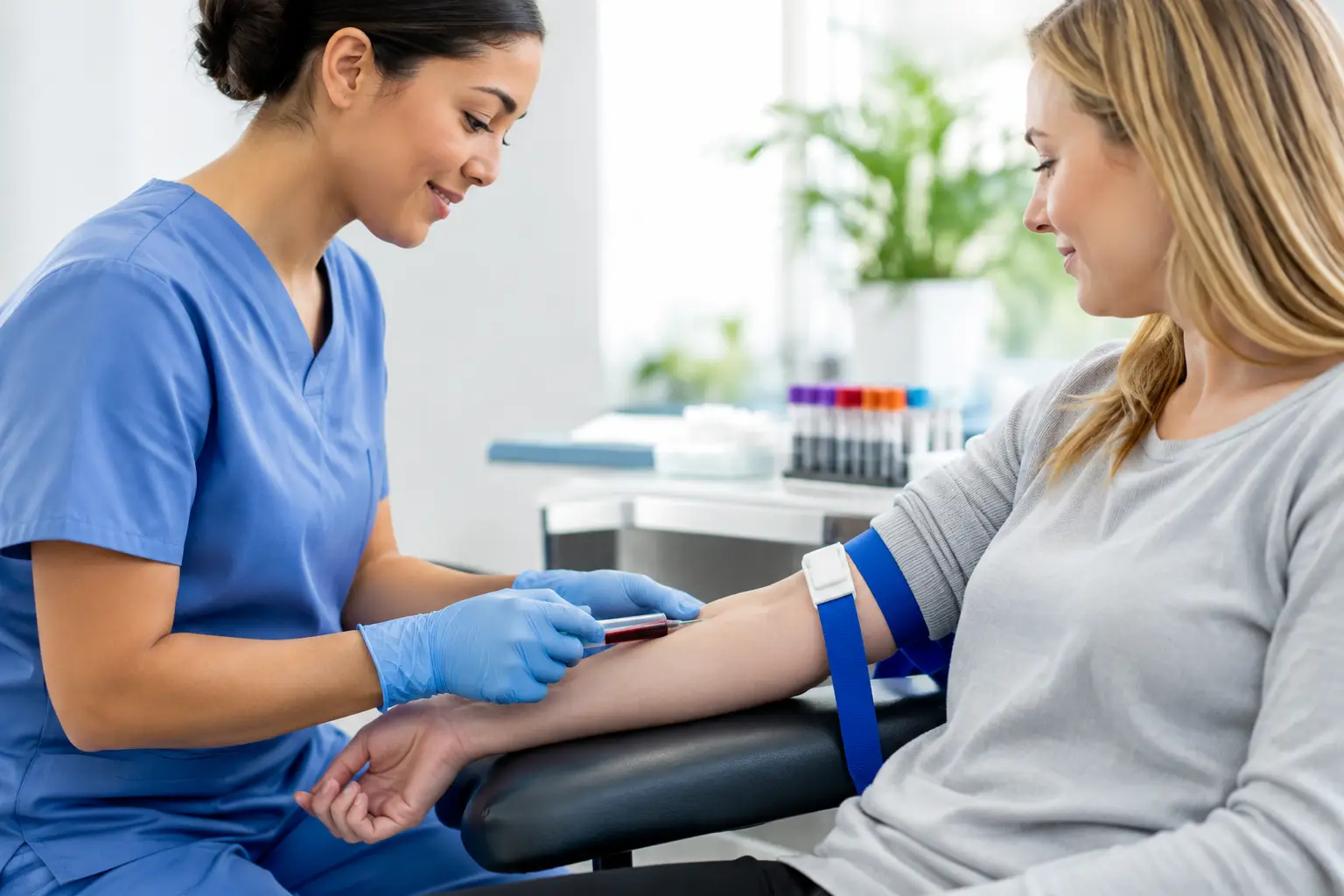
At the appointment, the phlebotomist verifies identity, reviews the order, prepares the collection area, and performs the draw using appropriate protective and handling procedures. After collection, specimens are labeled and prepared for prompt transport to the intended laboratory or hospital.
That last step deserves attention. A pleasant in-home draw is only part of the job. Specimen integrity depends on accurate labeling, timing, packaging, and delivery. Some tests have strict requirements, so patients should always provide complete orders and follow any instructions from their physician or laboratory. If a requested test cannot be collected in a home or office environment, it is better to know before the appointment than after the sample has been drawn.
Phlebotomy Experts provides this concierge-style support with experienced, HIPAA-conscious field service and coordination for established laboratory and hospital partners. The goal is simple: let the laboratory come to you while treating your sample and your privacy with the care they deserve.
More Than a Routine Blood Draw
The needs behind mobile collection are not always routine. Some patients require therapeutic phlebotomy as part of a provider-directed treatment plan. These visits call for careful review of orders, patient condition, and post-draw instructions. The right provider should never make a therapeutic service feel casual just because it happens in a comfortable location.
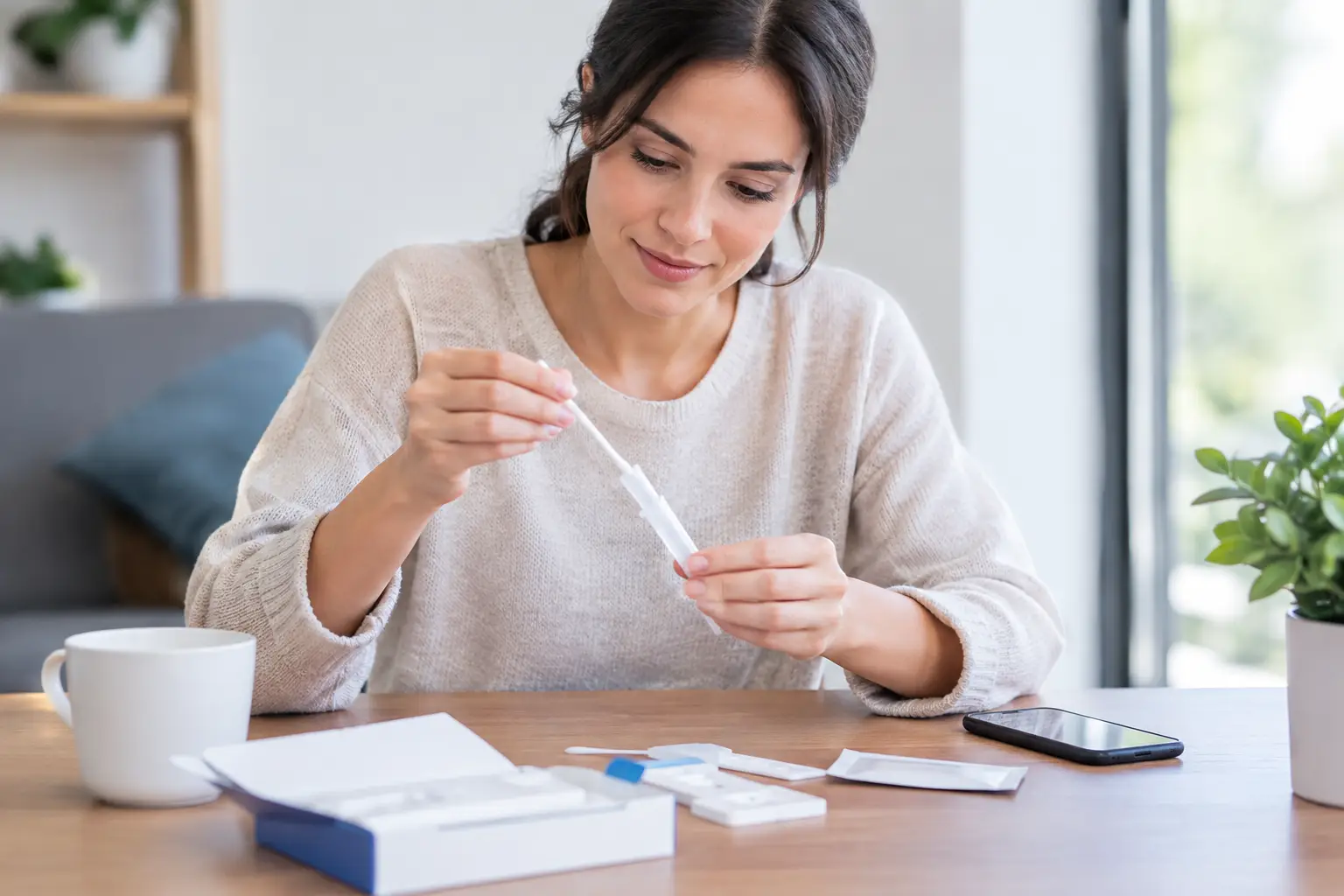
Other appointments involve home blood-test kits. Many kits require a precise collection method, specific packaging, or a rapid handoff to shipping or laboratory processing. Having an experienced professional assist with collection may reduce avoidable errors, particularly when the instructions are unfamiliar or the patient is concerned about collecting a usable sample.
Specialty services may also support patients receiving PRP treatments, autologous serum or plasma eye-drop preparation, prenatal DNA gender testing, or IV wellness services. Each service has its own requirements. The best first step is always to confirm that the service is appropriate for your situation, that your physician’s instructions are clear, and that the collection plan matches the destination laboratory’s expectations.
Questions to Ask Before You Schedule
Mobile care is convenient, but it works best when expectations are clear. Ask whether the service can collect for your specific laboratory order and whether the laboratory supplies, kit, or specialized materials need to be available at the visit. If fasting is required, ask how long you should fast and whether you may take regular medications with water. Your prescribing provider is the best source for medical guidance when instructions are unclear.
It also helps to ask about appointment timing, travel coverage, specimen delivery, and any fees not covered by insurance. Some draws are straightforward, while others require a particular time of day or immediate delivery. Same-day availability can be helpful, but it depends on the service area, staffing, the order, and the specimen requirements.
If the appointment is for a child, an older adult, or someone with difficult veins, share that information in advance. A little preparation allows the phlebotomist to plan for a more comfortable visit. Patients should drink water unless they have been told otherwise, wear clothing with easy access to the arm, and have identification, the lab order, and any required kit ready.
Comfort Is Part of Quality Care
The clinical details matter, but bedside manner matters too. Patients remember whether someone listened when they said they were nervous. They remember whether their parent was treated respectfully in assisted living, whether their child was spoken to kindly, and whether a complicated health day felt a little less overwhelming.
Mobile healthcare should feel professional without feeling cold. It should protect privacy without making the process confusing. And it should give patients enough time to ask practical questions before the needle is ever opened.
If travel, waiting rooms, or mobility challenges are making lab work harder than it needs to be, ask whether an at-location appointment is available for your order. A calm blood draw in a familiar place can make it easier to keep the care plan moving – one small, well-supported step at a time.

Related Posts