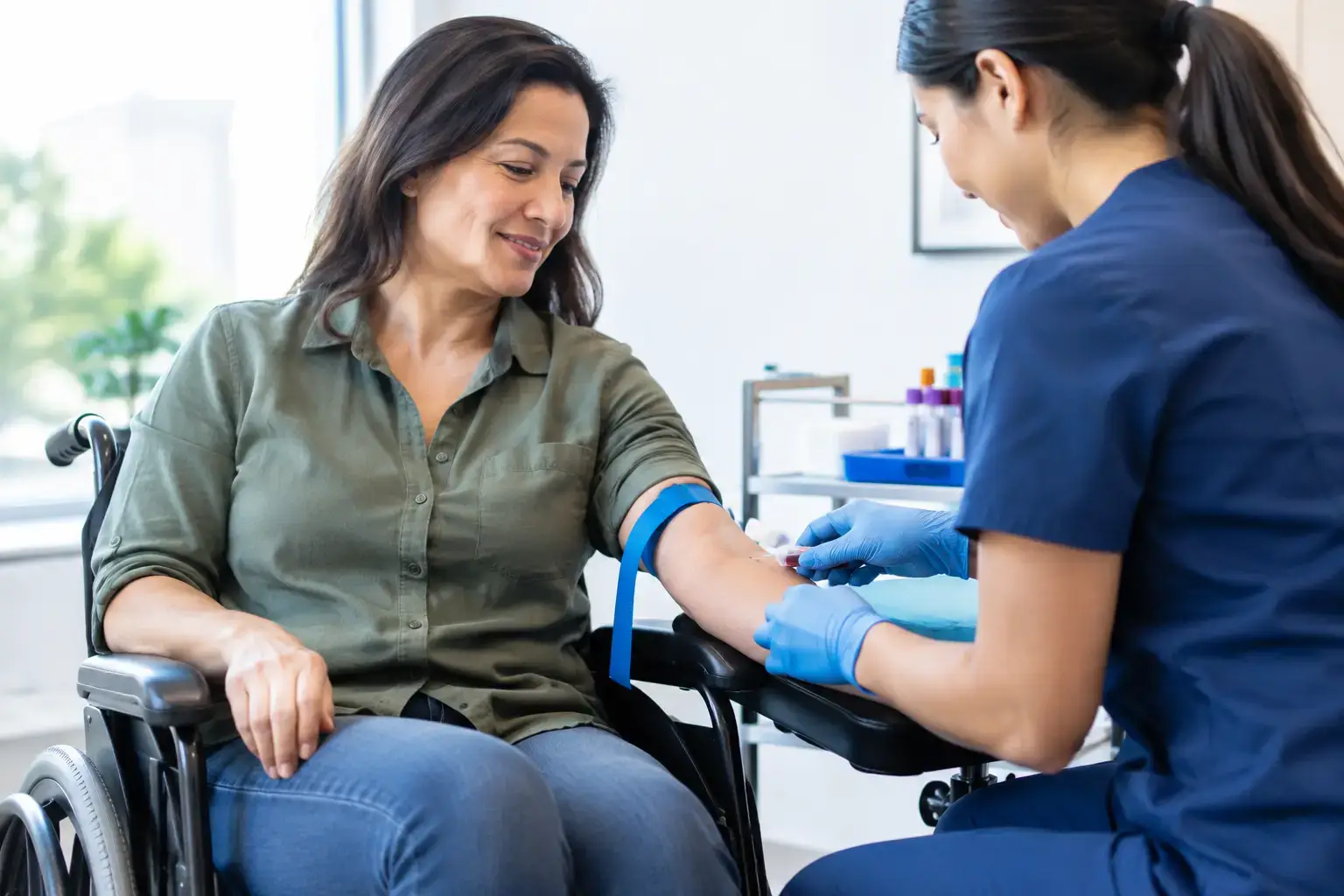
Mobility barriers can make routine blood work feel out of reach. Mobile phlebotomy brings compassionate collection to you, on your schedule with calm care.
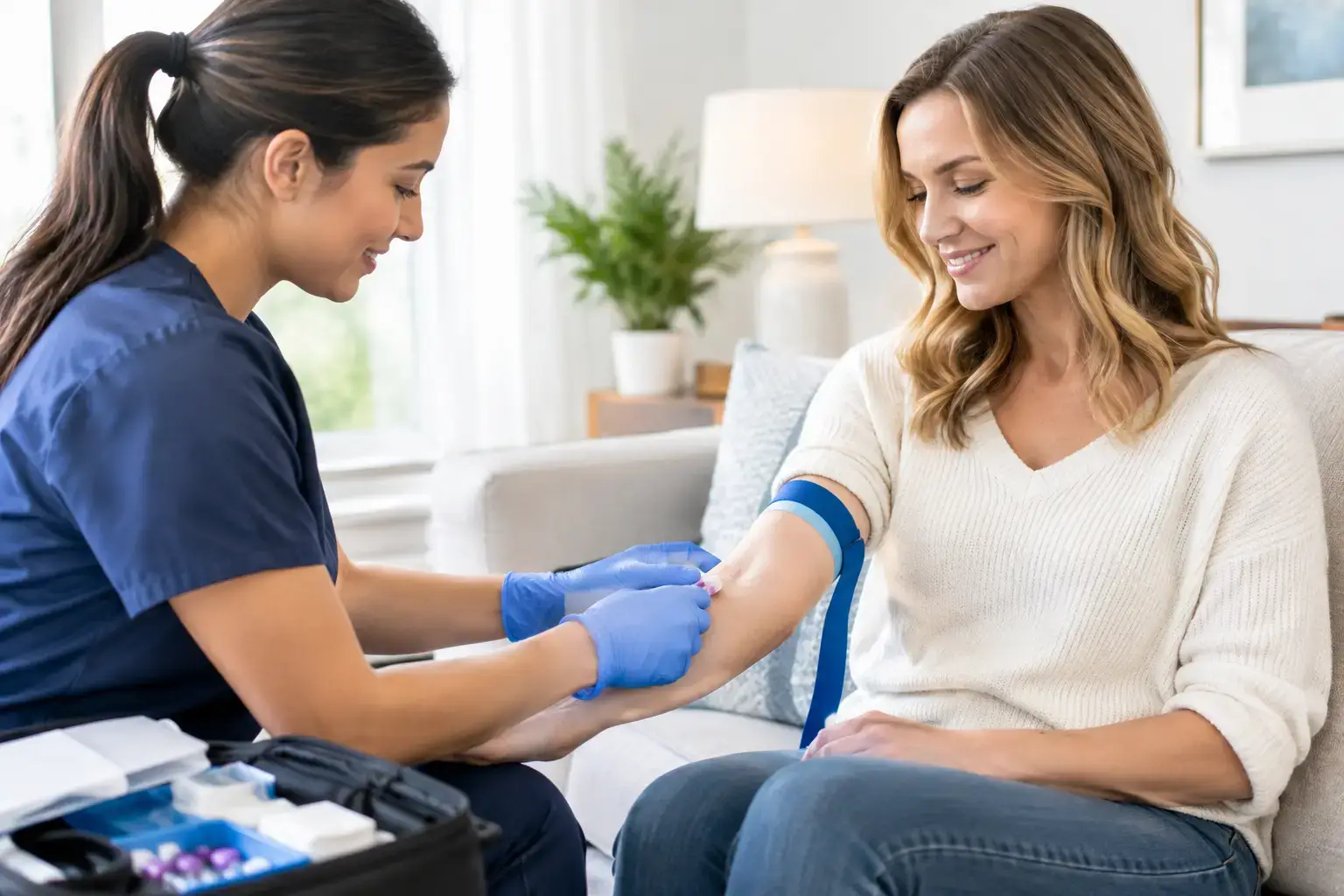
Concierge Phlebotomy Care That Comes to You
A lab order should not automatically mean a crowded waiting room, a long drive, or asking a family member to rearrange their day. Concierge phlebotomy brings the blood-draw appointment to the place where you feel most comfortable – whether that is home, work, an assisted-living community, a rehabilitation facility, or another approved location.
For many people, this is more than a convenience. It can be the difference between getting needed testing completed on time and putting it off because the trip to the lab feels like too much. A skilled mobile phlebotomist arrives prepared, collects the specimen with care, and coordinates delivery to the appropriate laboratory or hospital.
What Concierge Phlebotomy Really Means
Concierge phlebotomy is a personalized mobile blood-collection service. Instead of standing in line at a laboratory, you schedule an appointment and a trained phlebotomy professional comes to you. The collection itself follows the requirements of your physician’s order and the receiving laboratory, while the appointment is organized around your location, timing, and comfort needs.
The word “concierge” matters because the experience is personal. Some patients need an early-morning draw before work. Others need a calm visit at home because they use a wheelchair, are recovering from surgery, care for a young child, or simply do not do well in busy medical settings. For an older adult in assisted living or a hospice patient, avoiding transportation and a waiting room can make a difficult day feel much more manageable.
Mobile collection does not replace your doctor or the laboratory processing your tests. Your provider still orders the testing, and the laboratory performs the analysis. The mobile phlebotomist handles the collection step with proper identification, labeling, packaging, and delivery coordination so the specimen can reach its destination appropriately.
Who Benefits From a Mobile Blood Draw?
Busy professionals often choose a mobile draw because lost time has a real cost. Leaving the office, driving across town, parking, checking in, and waiting can take far longer than the blood draw itself. A scheduled office visit can help keep a routine lab order from consuming half the day.
For families, the value is often calmer care. Parents may need blood work for a child, prenatal testing, or a family member who becomes anxious around needles. A familiar environment and an experienced, patient phlebotomist can change the tone of the appointment. There is no magic way to make every draw fun, but a gentle approach, clear explanation, and awesome bedside manner can make it easier.
Mobile service is also especially helpful for people with limited mobility, chronic illness, immune concerns, or recurring laboratory needs. Patients receiving physician-directed therapeutic phlebotomy, for example, may need repeat appointments. Reducing the travel burden can make it simpler to stay consistent with a care plan.
What Happens During a Concierge Phlebotomy Appointment?
The process is straightforward, but preparation matters. Before scheduling, have your laboratory order or testing instructions available. If your doctor ordered fasting blood work, follow those instructions exactly. Ask whether you should take your usual medication, drink water, or avoid supplements before the draw. When instructions are unclear, your prescribing provider or laboratory is the right place to confirm them.
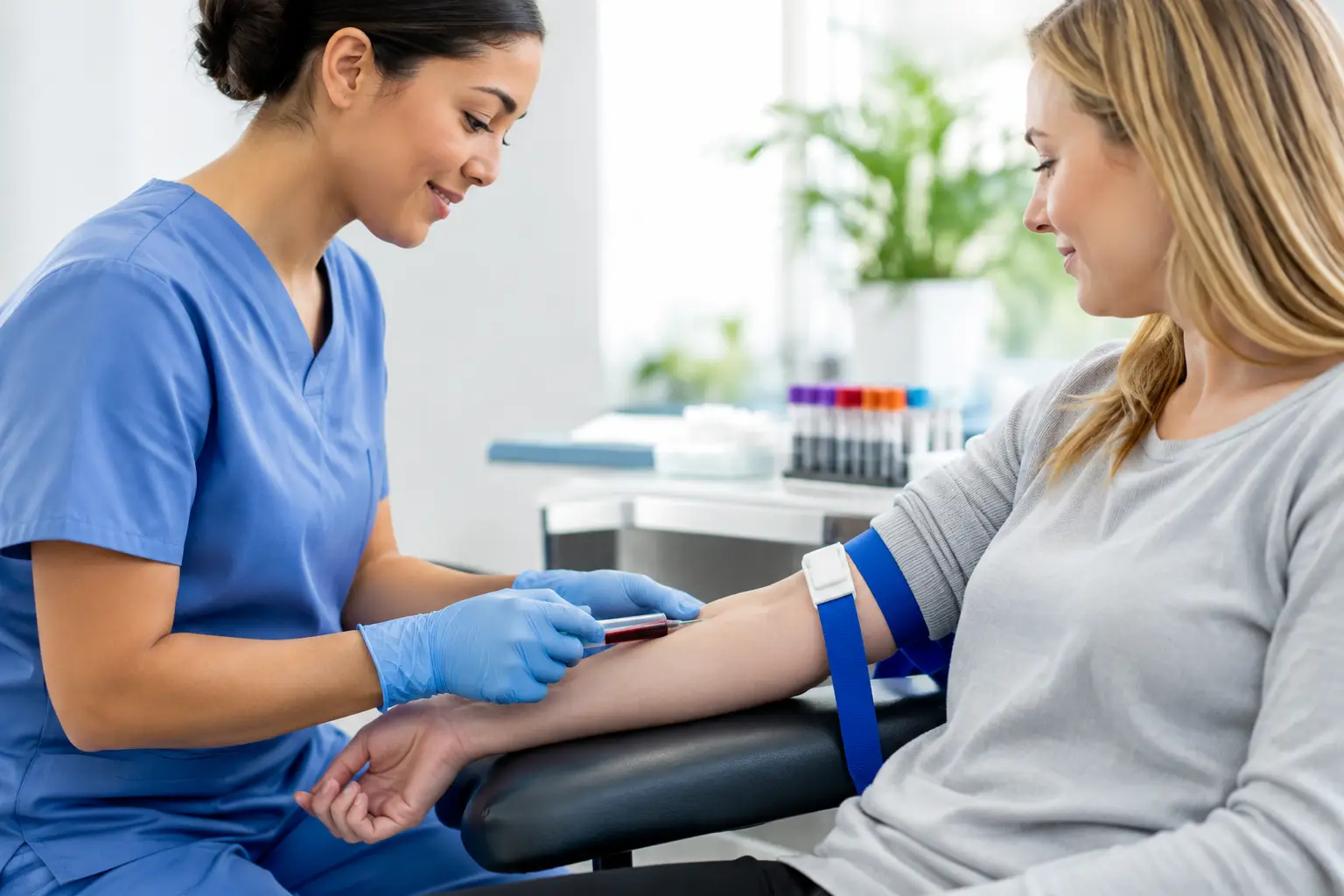
At the appointment, the phlebotomist verifies your identity and reviews the required paperwork or kit instructions. They prepare a clean collection area, perform the draw, label specimens according to the laboratory’s requirements, and make sure everything is packaged correctly for transport.
A good mobile visit should never feel rushed. Let the phlebotomist know if you have a history of fainting, difficult veins, bruising, allergies to adhesives, or anxiety about needles. Those details help them plan the best approach. Drinking water beforehand, when permitted by your test instructions, may also help make veins easier to access.
Afterward, you will usually be asked to apply pressure and keep the bandage on for a short period. Minor tenderness or bruising can happen after any venipuncture. Contact a medical professional promptly if you have unusual swelling, persistent bleeding, increasing pain, or signs of infection.
The Details That Protect Your Specimen
Convenience should never come at the expense of proper specimen handling. Some tests require special tubes, temperature control, rapid delivery, timed collection, or specific processing steps. That is why mobile phlebotomy works best when the service understands laboratory requirements and has dependable coordination procedures.
This is particularly relevant for specialty collections. At-home blood-test kits, serum or plasma processing for physician-directed eye-drop therapy, prenatal DNA testing, and clinical-study samples may each have their own instructions. The right collection professional does not guess. They confirm the order, use the appropriate supplies, and follow the required chain of handling.
Privacy matters, too. Blood work involves personal health information, and patients deserve respectful, HIPAA-compliant handling from scheduling through specimen delivery. You should feel comfortable asking how your paperwork, results-related information, and personal details are protected. Your test results normally come from the ordering provider or laboratory, not from the person drawing the blood.
When Mobile Service May Not Be the Right Fit
Concierge care is highly useful, but it is not the answer to every health situation. If you are experiencing chest pain, severe shortness of breath, uncontrolled bleeding, a serious allergic reaction, confusion, or another urgent symptom, seek emergency care rather than scheduling a blood draw.
There are also times when a hospital, infusion center, or specialized laboratory setting is necessary. Certain tests need immediate on-site processing, specialized equipment, or a facility-based care team. A professional mobile phlebotomy service should be honest about those limits and help you understand whether your order can be collected safely at your chosen location.
Coverage and fees can vary as well. Some patients use mobile collection as a self-pay convenience service while laboratory testing is billed separately through insurance or the ordering provider. Ask about the mobile visit fee, travel considerations, cancellation policies, and what the service includes before confirming your appointment. Clear answers upfront prevent surprises later.
How to Prepare for the Smoothest Visit
A little preparation can make your appointment feel easy. Choose a well-lit spot with a stable chair or a comfortable place to sit or recline. Keep your lab order, photo identification, insurance information if requested, and any test kit ready before the phlebotomist arrives. Wear clothing with sleeves that can be rolled above the elbow.
If you are arranging care for a parent, spouse, or resident in a care community, share relevant details ahead of time. Mention mobility needs, memory concerns, language preferences, fragile skin, or a history of difficult draws. The goal is not to make the visit complicated. It is to help the phlebotomist arrive ready to give thoughtful care.
Phlebotomy Experts provides this kind of mobile support for patients who want laboratory collection handled with skill, kindness, and respect for their time. Availability can vary by location and appointment type, so it is wise to check scheduling options as soon as you receive your lab order.
The best blood-draw appointment is often the one that removes enough stress for you to follow through. If getting to a lab has become a barrier, let the laboratory come to you and give yourself one less thing to carry.

Related Posts