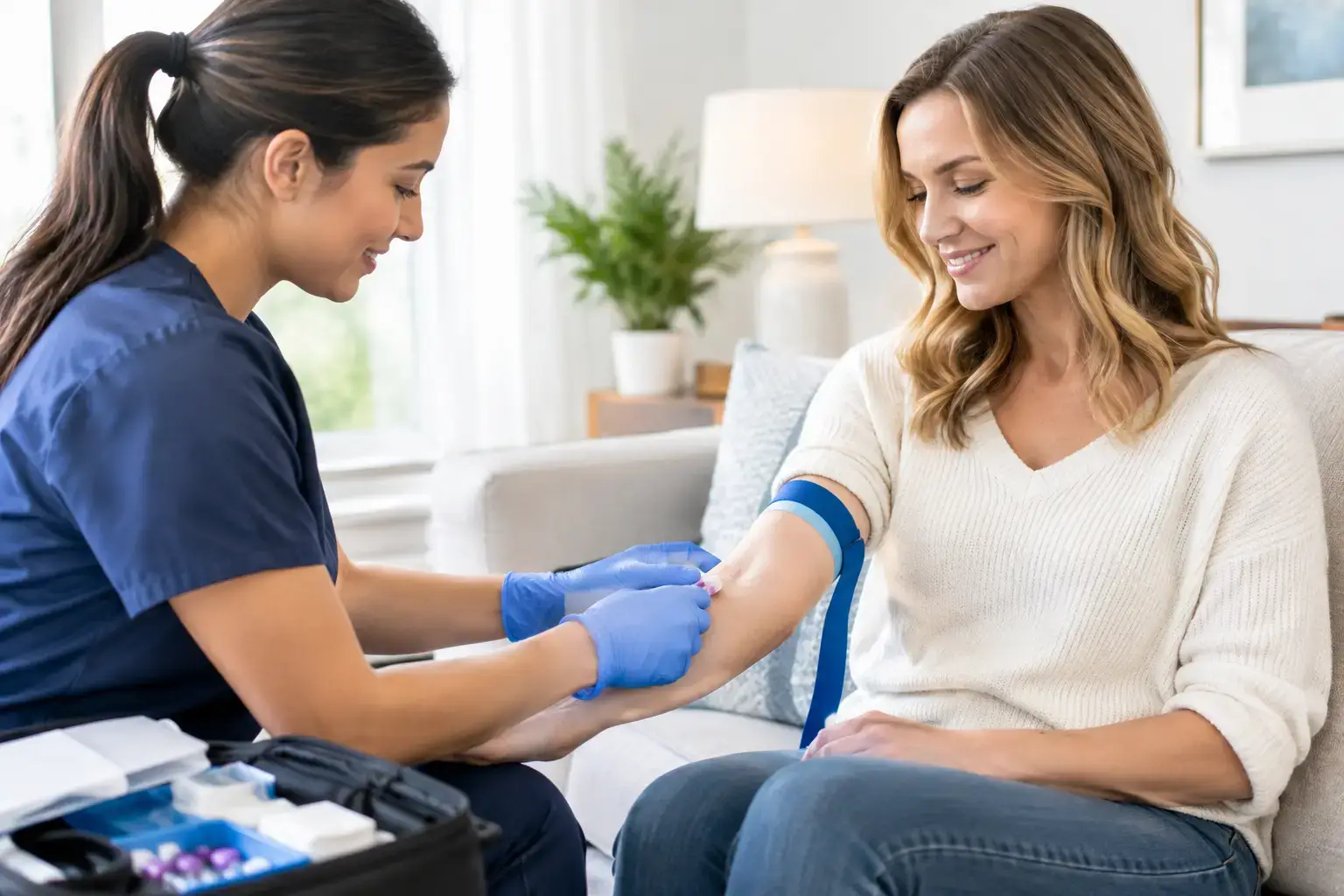
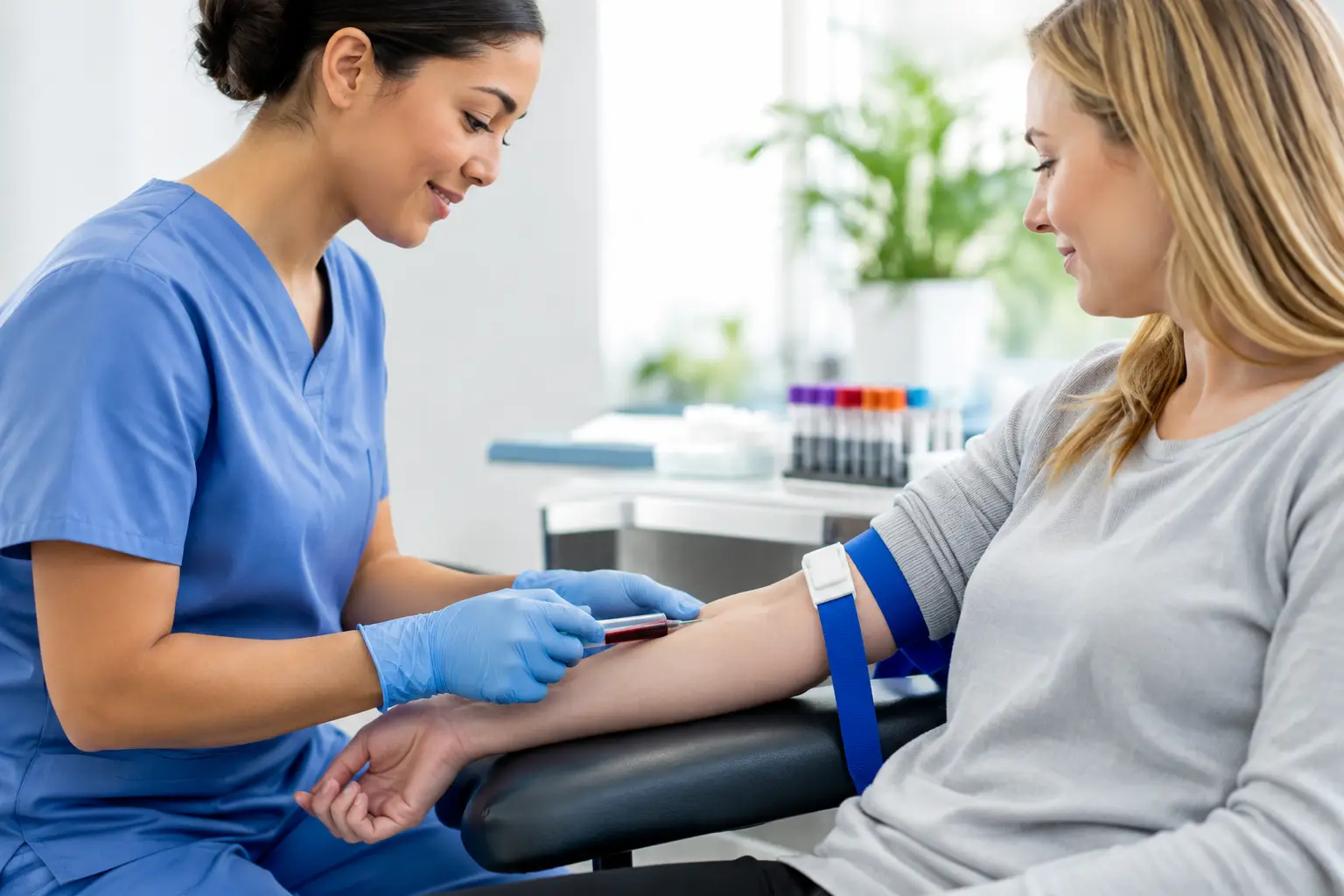
Concierge phlebotomy brings professional blood collection to your home or office, with personal care, less waiting, and lab-ready handling when needed.
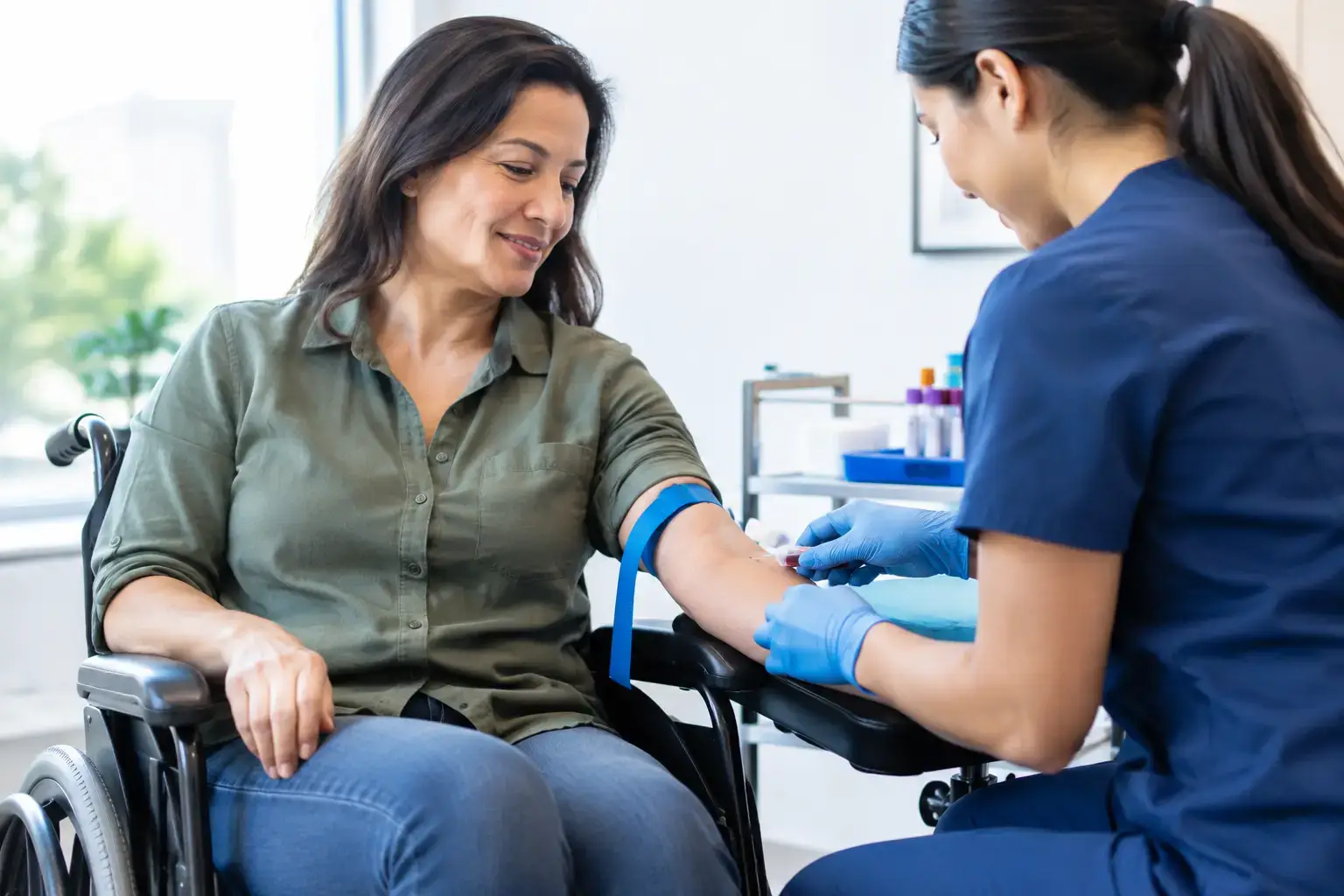
Mobility Barriers Shouldn’t Delay Blood Work
A routine lab order can become a major hurdle when mobility barriers turn a short trip into a day-long effort. Getting dressed, arranging transportation, managing a wheelchair or walker, waiting in a crowded lobby, and returning home safely may require more energy than the blood draw itself. For many patients, that effort leads to postponed appointments and missed monitoring that their care team needs.
Blood work should support your health, not add another difficult obstacle to your week. Mobile phlebotomy brings the collection appointment to a place that feels more manageable: your home, assisted-living community, rehabilitation facility, office, hospice setting, or another appropriate location.
How Mobility Barriers Affect Routine Care
Mobility challenges do not look the same for every patient. An older adult may be steady at home but struggle with long walks through a parking lot. A person recovering from surgery may have restrictions on lifting, driving, or climbing stairs. Someone living with chronic pain, neurological conditions, a disability, or fatigue may be able to leave home, but only at a physical cost that is hard to see from the outside.
Then there are the practical details. A family caregiver may need to take time off work to provide transportation. A wheelchair-accessible ride may need to be scheduled well in advance. Bad weather, heat, stairs, limited parking, or a long laboratory wait can turn a simple appointment into something that feels impossible.
These challenges can affect more than convenience. Patients may delay repeat labs, therapeutic phlebotomy, physician-requested testing, or specialty specimen collection because the logistics feel overwhelming. That is especially frustrating when the test itself can often be completed in just a few minutes.
When Bringing the Lab to You Makes Sense
Mobile collection is not a replacement for every medical visit. Some tests, symptoms, and medical concerns require an in-person clinic, hospital, or emergency evaluation. If a patient is experiencing urgent symptoms such as chest pain, severe shortness of breath, fainting, sudden confusion, or uncontrolled bleeding, emergency care is the right next step.
But for an ordered blood draw or specimen collection, an at-location appointment can remove the transportation burden while keeping the process simple. It can be a practical option for patients who are homebound, use mobility equipment, are recovering after a procedure, live in a care community, or simply need a less demanding way to complete their lab order.
It can also help families. Instead of coordinating a ride, escorting a loved one through a busy building, and waiting for a name to be called, a caregiver can be present in a familiar setting. That extra calm matters, particularly for patients with dementia, anxiety, sensory sensitivities, or a history of difficult blood draws.
A Familiar Space Can Make a Real Difference
A home appointment gives the patient more control over the small things that often make care easier. They can sit in their preferred chair, have water nearby if permitted, keep a family member close, and avoid the rush of an unfamiliar waiting room. For someone who is nervous about needles, that comfort can make the appointment feel much more manageable.
A qualified mobile phlebotomist also has the time to work thoughtfully. Good bedside manner is not an extra. It means listening, explaining what will happen, checking patient identification carefully, and using a calm approach from the first hello through the final bandage.
What a Mobile Blood Draw Appointment Usually Looks Like
The process starts with the laboratory order and the details of the requested test. Some tests require fasting, a particular collection time, special handling, or coordination with a specific laboratory. Sharing that information when scheduling helps the mobile team prepare for the correct visit.
Before the appointment, patients should ask whether they need to fast and whether they should continue taking medications as prescribed. The ordering physician is the best source for medical instructions. If fasting is required, patients should confirm whether water is allowed. In many cases it is, but the instructions for the specific test should always come first.
At the appointment, the phlebotomist verifies the patient’s identity and order, prepares the collection area, and performs the draw using appropriate protective and privacy practices. The goal is professional, respectful care in a setting that works for the patient. After collection, specimens are labeled and prepared for prompt delivery to the designated laboratory or hospital.
That chain of care is why experience matters. Collection is only one part of the job. Proper labeling, handling, timing, and delivery help protect specimen quality so the laboratory can process the order as intended.
Preparing Your Space Without Overthinking It
You do not need to create a clinical room at home. A clean, well-lit area with a comfortable chair and a small nearby surface is usually enough. If you have limited mobility, choose a place where you feel supported and can sit safely. Let the phlebotomist know in advance if you need to remain in bed, have difficulty positioning an arm, use oxygen, or have a history of fainting during blood draws.
It also helps to have your photo identification, lab order, insurance information if requested, and any collection kit ready before the appointment begins. If the test was ordered by a physician outside the usual laboratory network, clarify where the specimen needs to go. A mobile service can coordinate with established labs and hospitals, but the collection plan should be confirmed before the visit.
For children, preparation is a little different. A favorite toy, calm parent or caregiver, and honest age-appropriate reassurance can go a long way. There is no need to promise that a draw will not hurt. It is usually better to say that it may feel like a quick pinch and that the phlebotomist will help them through it. Our little Angel’s deserve patience, gentle communication, and a smile.
Questions Worth Asking Before You Schedule
Not every mobile service handles every type of laboratory order, so asking a few clear questions can prevent surprises. Confirm that the provider can collect the specific test your physician ordered, deliver to the correct laboratory, and accommodate your location and mobility needs. If you have a time-sensitive specimen, therapeutic phlebotomy order, home test kit, or specialty collection, mention it early.
You may also want to ask about appointment availability, service fees, travel areas, and what happens if the laboratory order is missing or incomplete. Same-day support may be available in some situations, but it depends on location, staffing, the type of collection, and laboratory requirements.
For patients in Utah, Austin, Dallas, Phoenix, Miami, or Orange County, a local mobile collection option can be particularly helpful when transportation is unreliable or a care facility needs coordinated support. Phlebotomy Experts provides concierge-style collection with certified field-service experience, HIPAA-conscious handling, and respectful care designed around the patient’s comfort.
Care Should Fit Real Life
Mobility limitations can be temporary, lifelong, visible, or completely invisible to the people around you. Whatever the reason, needing a more accessible blood-draw option is valid. Patients should not have to choose between exhausting themselves to get to a lab and putting off care their physician has requested.
If transportation, stairs, pain, recovery, caregiving responsibilities, or a crowded waiting room are standing between you and your lab work, ask about an at-location collection appointment. A caring phlebotomist can meet you where you are, handle the draw with skill, and help make one necessary part of healthcare feel a whole lot easier.

Related Posts