
Learn why blood bruises after a draw, what makes a bruise more likely, simple home care steps, and signs that call for prompt medical advice right away.
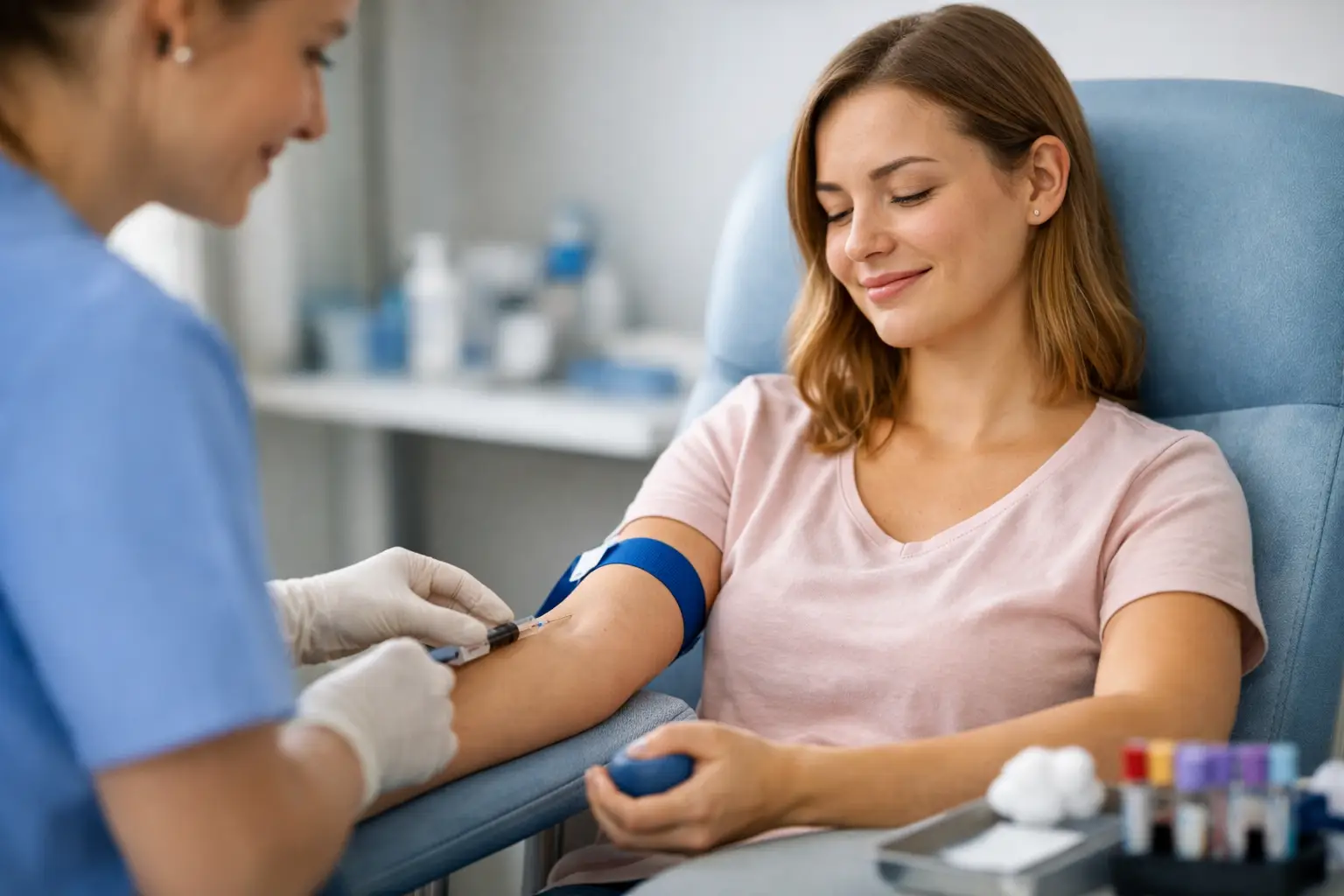
Best Blood Draw Comfort Tips for a Calmer Visit
A blood draw may take only a few minutes, but the worry can start much earlier. Maybe you have fainted before, hate needles, are caring for a nervous child, or simply do not have the time or energy for a crowded lab waiting room. These best blood draw comfort tips can help you feel more prepared, more in control, and a whole lot less tense on appointment day.
The goal is not to pretend you love needles. It is to make the experience easier on your body and your mind, with a skilled professional who listens to you and gives you room to breathe.
Best Blood Draw Comfort Tips Before Your Appointment
Follow the test instructions first
Your provider’s laboratory order comes first. Some tests require fasting, while others do not. If you were told to fast, do not eat, drink coffee, chew gum, or take supplements unless your doctor specifically says they are okay. Plain water is often allowed and can be especially helpful, but confirm the instructions for your particular test.
If fasting is not required, have a light, balanced meal beforehand. Showing up hungry can make some people feel shaky, lightheaded, or more anxious. Something simple with protein and carbohydrates, such as eggs and toast or yogurt and fruit, may help you feel steadier.
Bring a snack for afterward if you have been fasting. That small bit of planning gives you something comforting to look forward to once your collection is complete.
Hydrate well, but do not overdo it at the last minute
Hydration supports blood volume and can make veins easier to locate. Start drinking water the day before when possible, then have water the morning of your draw if your instructions permit it. Sipping regularly is more useful than quickly drinking a huge bottle just before the appointment.
Water is the best choice. Heavy caffeine, alcohol, and dehydration can leave you feeling jittery or make a difficult-stick situation more likely. If you take a medication that affects your fluid intake, follow your clinician’s guidance instead of forcing extra water.
Wear a sleeve that rolls up easily
Comfort is practical. Choose a loose short-sleeve shirt or a long sleeve that can move comfortably above your elbow without becoming tight. Avoid sleeves that are hard to push up or clothing that leaves you cold while you wait.
If your hands tend to be chilly, keep warm before the draw. A warm arm can help veins become more visible. A light jacket, warm socks, or a few calm minutes indoors may make a noticeable difference.
Speak up about past experiences
Tell your phlebotomist if you are a hard stick, have small or rolling veins, have had a mastectomy or lymph node removal, use a port, take blood thinners, bruise easily, or have a history of fainting. These details are not a bother. They help your collector choose the safest, most comfortable approach.
If one arm has worked better in the past, say so. If you prefer not to see the needle, say that too. A caring professional will not take it personally. Good bedside manner means adapting to the patient in front of you.
Calm Your Body When Needle Anxiety Shows Up
Anxiety can tighten muscles, speed up your breathing, and make the moment feel larger than it is. You do not need a complicated relaxation routine. Pick one or two techniques you can actually use while seated.
Look away and give your brain another job
For many people, watching the needle raises anxiety. Turn your head, close your eyes, look at a picture on your phone, or focus on a spot across the room. A favorite playlist, podcast, or a conversation with your phlebotomist can also redirect your attention.
Try a simple breathing rhythm: inhale slowly through your nose for four counts, then exhale gently for six. The longer exhale tells your nervous system that you are safe. Continue until the draw is over instead of holding your breath, which can make dizziness worse.
Use muscle tension if you tend to faint
If you have fainted or nearly fainted during blood draws, tell your phlebotomist before the collection begins. They may have you recline or lie down rather than sit upright. This is a smart comfort and safety adjustment, not something to feel embarrassed about.
Some people benefit from applied tension. While keeping the draw arm relaxed, gently tighten the muscles in your legs, abdomen, and opposite arm for several seconds, then release. Repeat as directed. This can help support blood pressure for people prone to vasovagal fainting. Do not use a technique that causes pain, and always let your collector know what you are doing.
Keep the draw arm loose
A clenched shoulder or rigid elbow can make the experience less comfortable. Let your arm rest where the phlebotomist positions it, keep your hand soft unless asked to make a fist, and avoid pumping your fist repeatedly. Your job is simply to breathe and stay as relaxed as you can.
If you feel warm, nauseated, sweaty, dizzy, or suddenly far away, say something right away. Those can be early signs that you need a pause, water, a different position, or a few extra minutes before standing.
Make an At-Home Blood Draw More Comfortable
The setting matters. At-home or office collection can remove several stressors at once: traffic, parking, unfamiliar waiting rooms, exposure to crowds, and the pressure of trying to get through a lab visit between work meetings. For older adults, people recovering from illness, busy parents, and patients with limited mobility, having the laboratory come to you can feel like a genuine relief.
Prepare a clean, well-lit area with a stable chair, table space, and room for the phlebotomist to work. Choose a spot where you can sit with your arm supported. If you are anxious, invite a trusted family member to sit nearby, as long as they will help you feel calmer rather than more overwhelmed.
Have your photo ID, insurance information if needed, laboratory order, and any collection kit ready before the appointment. This keeps the visit focused on your comfort instead of last-minute searching. If you have a preferred arm, a history of fainting, or special mobility needs, mention it when scheduling and again when your phlebotomist arrives.
Phlebotomy Experts provides mobile collection with certified, experienced professionals who understand that a calm voice and a little patience matter. Whether your draw is at home, at work, in assisted living, or during recovery, you deserve respectful care that works around your real life.
Care for the Site After the Blood Draw
When the needle comes out, apply steady pressure to the gauze as instructed. Most people need a few minutes of direct pressure, and people taking blood thinners may need longer. Try not to peek repeatedly, since lifting the gauze can restart bleeding.
Keep the bandage on for the recommended time. Avoid heavy lifting, strenuous exercise, or carrying a heavy bag with that arm for the next few hours if you can. A small bruise or mild soreness is common, especially if your veins are delicate or multiple tubes were needed.
A cool compress can help with mild bruising later in the day. Call your healthcare provider if bleeding will not stop with firm pressure, swelling becomes significant, pain is severe, numbness develops, or you notice signs of infection such as increasing redness, warmth, or drainage. Those concerns are uncommon, but they deserve medical attention.
Give yourself a gentle reset
After fasting, eat your snack or a normal meal as instructed and drink some water. Sit for a few minutes before rushing into the next task, especially if you felt nervous or lightheaded. Children may appreciate a small reward, a favorite show, or simply hearing, “You did great.” Adults deserve that same kindness, too.
A blood draw does not have to be a test of toughness. Ask for what you need, take a slow breath, and let a compassionate professional handle the rest.
