Learn how to book rehabilitation phlebotomy at a rehab facility or home, what to have ready, and how mobile collection supports recovery care safely today.
Concierge Collection Caregiver Case Study
A lab order can look simple on paper. For a caregiver helping an older parent, a spouse in rehabilitation, or a loved one receiving hospice support, getting that blood draw completed may mean coordinating transportation, medications, mobility equipment, meals, and a long wait in a crowded waiting room. This concierge collection caregiver case study shows how a mobile blood draw can make a necessary medical task feel more manageable, respectful, and calm.
The example below is a composite based on common caregiver situations. Every patient, physician order, laboratory requirement, and collection need is different. Still, the challenge will feel familiar to many families: the blood work is medically necessary, but the trip to the laboratory is becoming harder than it should be.
The Caregiver Challenge: Care Did Not Fit the Lab Schedule
Maria was caring for her 82-year-old father after a short stay in a rehabilitation facility. He was back at home, happy to be in familiar surroundings, but still unsteady on his feet and easily fatigued. His physician ordered follow-up testing to monitor several ongoing health concerns.
On a typical lab day, Maria would need to help him get dressed, prepare breakfast around any fasting instructions, guide him down the front steps, arrange transportation, and stay with him through registration and the wait for collection. Even when the appointment went well, the outing could take most of the morning. By the time they returned home, her father often needed to rest for hours.
The concern was not only convenience. A busy collection center increased his anxiety, and Maria worried about exposure to seasonal illness in a shared waiting area. Rescheduling was also difficult. She was balancing her own job, his follow-up appointments, medication pickups, and the normal work of running two households.
What she needed was not a shortcut around proper testing. She needed a collection process that worked with the care already happening at home.
Concierge Collection Caregiver Case Study: The Home Visit
Maria arranged a mobile phlebotomy appointment after confirming that the laboratory order and required paperwork were ready. Before the visit, she received clear guidance about practical details: whether fasting was required, what identification to have available, where her father would be most comfortable, and the preferred collection window.
That preparation matters. A mobile visit is more comfortable when the caregiver does not have to guess what comes next. The goal is to keep the process straightforward while following the physician’s instructions and the laboratory’s specimen requirements.
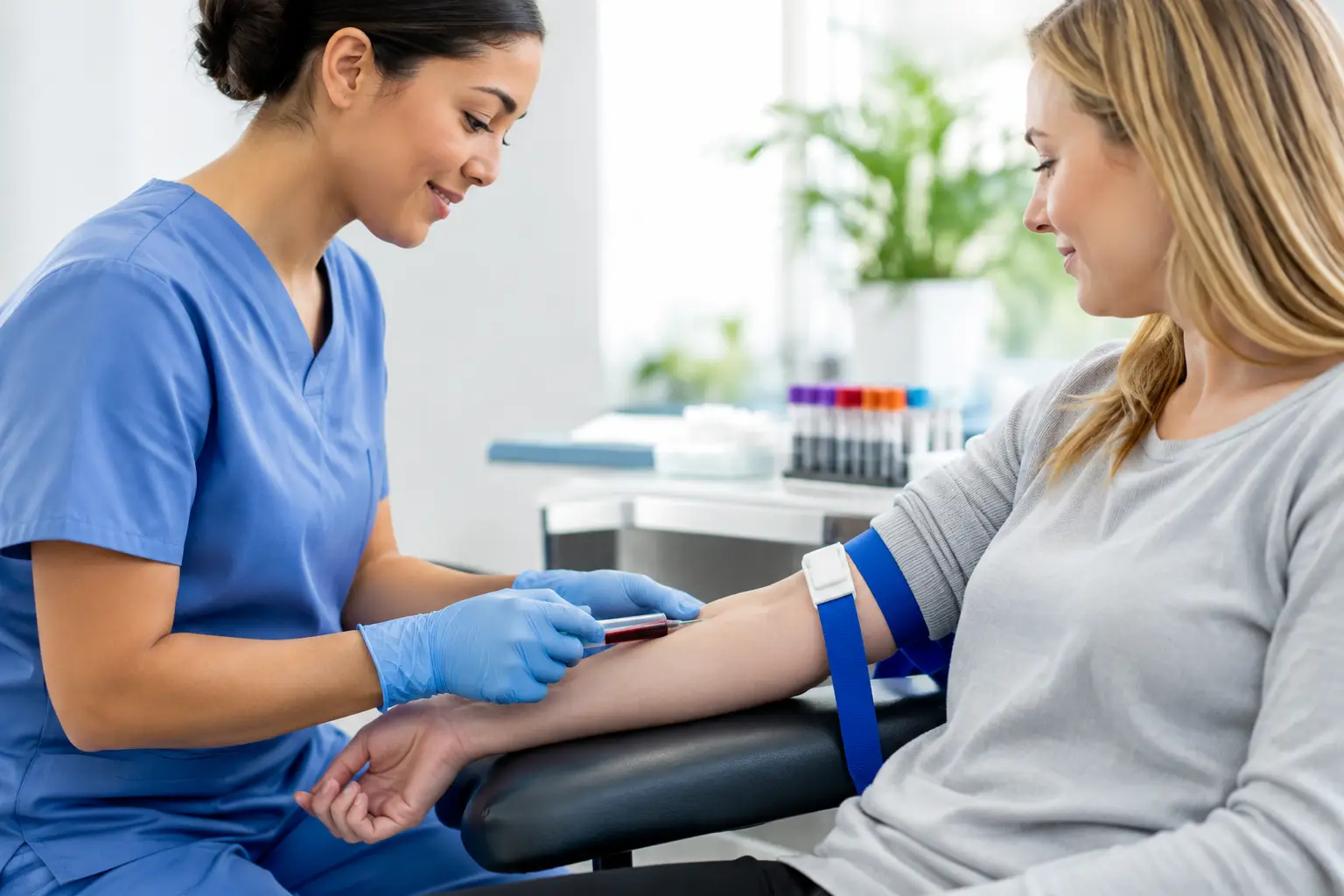
On the scheduled morning, the phlebotomist arrived at the home with the supplies needed for collection. Maria’s father chose a supportive dining chair near a window rather than trying to transfer to a vehicle. He had a glass of water afterward, rested in his familiar space, and was able to continue his normal morning routine.
The blood draw itself was only one part of the service. The phlebotomist verified the order, followed appropriate identification and labeling procedures, and prepared the specimens for prompt delivery to the designated laboratory. For the caregiver, that coordination removed a major piece of uncertainty. There was no need to wonder whether the tubes were correct, where to take them, or how quickly they needed to arrive.
Phlebotomy Experts provides this kind of Mobile Phlebotomy Concierge support with certified field professionals, HIPAA-compliant practices, and a patient-first bedside manner. The visit is designed to bring skilled collection to the patient while preserving the laboratory process their care team has ordered.
What Changed for the Patient and Caregiver
The biggest change was not that Maria’s father never needed medical follow-up again. He did. The difference was that routine collection no longer required a physically demanding outing every time testing was ordered.
For her father, staying home reduced the strain of travel and helped him feel more in control. Many older adults and people recovering from illness find that familiar surroundings lower the tension around a needle stick. That does not mean every blood draw becomes effortless, but comfort, patience, and a reassuring explanation can make a real difference.
For Maria, the visit protected time and energy. She could focus on supporting her father instead of managing parking, check-in forms, wheelchair access, and the possibility of a long delay. She also had greater confidence that the specimen would be handled and delivered according to the collection plan.
This is especially meaningful for caregivers whose loved ones need recurring testing. A person receiving therapeutic phlebotomy, monitoring chronic conditions, receiving specialty treatment, or following up after a hospital or rehabilitation stay may face several collection appointments over time. When every appointment requires a major outing, care fatigue can build quickly.
When Mobile Collection Is a Good Fit
At-home or on-site collection can be a strong option for caregivers supporting a person with limited mobility, dementia, chronic illness, a weakened immune system, or post-surgical recovery. It can also help families in assisted living, group homes, hospice settings, and rehabilitation facilities where transporting a resident requires staff time and careful planning.
It is also helpful for a caregiver who is simply stretched thin. A full-time employee caring for a parent may not have the flexibility to spend hours at a lab during the workday. Families with young children, patients who cannot drive, and people who become distressed in clinical environments may all benefit from a scheduled visit at home, work, or another appropriate location.
That said, mobile collection is not the answer for every situation. Some tests have strict timing, special processing requirements, or facility-specific instructions. Some patients may need urgent evaluation rather than an outpatient blood draw. A physician’s office or care team should guide urgent symptoms and clinical questions. For routine or physician-ordered laboratory collection, a qualified mobile phlebotomy team can confirm what is feasible before the appointment is scheduled.
How Caregivers Can Prepare for a Better Visit
A few small steps can make the appointment easier for everyone. Have the laboratory order available, along with the patient’s photo identification and insurance information if requested. Confirm whether the patient should fast, take usual medications, or avoid any food or drinks before collection. If instructions are unclear, ask the ordering provider rather than making assumptions.
Choose a quiet, well-lit spot with a stable chair or a comfortable bedside setup when appropriate. Let the phlebotomist know ahead of time if the patient has difficult veins, a history of fainting, a preferred arm, a port or access restriction, or a condition that affects positioning. These details help the visit start with more understanding and less stress.
Caregivers should also ask where the specimens will go and how results will be communicated. The mobile phlebotomist collects and coordinates delivery, but laboratory results are typically reported through the ordering provider or laboratory’s established process. Knowing that path ahead of time prevents avoidable phone calls later.
Care That Respects the Whole Household
Caregiving often means solving problems before they become crises. A mobile blood draw may look like a small service decision, yet it can protect a patient’s dignity, conserve a caregiver’s energy, and keep ordered testing from being delayed because getting out the door feels impossible.
If a loved one needs blood work and the lab trip has become a burden, check appointment availability and ask what is needed for an on-site collection. Sometimes the most helpful care is simply letting the laboratory come to you, with a skilled hand, clear communication, and a smile.

Related Posts