Learn how to book rehabilitation phlebotomy at a rehab facility or home, what to have ready, and how mobile collection supports recovery care safely today.
How to Prepare for Fasting Bloodwork Without the Guesswork
A fasting lab appointment should not leave you wondering whether one sip of coffee, a morning vitamin, or a late-night snack will change your results. When your provider orders fasting tests, a little planning helps protect the accuracy of the sample and makes the blood draw much more comfortable.
To prepare for fasting bloodwork, follow the instructions from the clinician or laboratory that ordered your test first. Fasting requirements can vary by test, your health history, and the medications you take. If anything in your instructions feels unclear, ask before your appointment rather than guessing the morning of your draw.
What fasting bloodwork usually means
Fasting means avoiding food and most beverages for a set period before your blood is collected. For many common tests, that window is eight to 12 hours, but your order may call for something different. Lipid panels, fasting glucose tests, and certain metabolic tests are common reasons a provider may request fasting.
Food can temporarily affect substances in the bloodstream, including blood sugar and triglycerides. Your provider is looking for a result they can interpret in the right clinical context. That is why the timing of your last meal matters.
Water is usually allowed and often encouraged. Plain water supports hydration, which can make veins easier to access and help you feel better during the appointment. Unless your ordering provider says otherwise, skip coffee, tea, juice, soda, flavored water, sports drinks, and alcohol while fasting. Even a small amount of cream, sugar, flavoring, or juice can affect certain results.
Plan your fast the night before
The easiest way to prepare for fasting bloodwork is to schedule a morning collection whenever possible. You can eat a normal, balanced dinner, begin your fast after your provider’s stated cutoff time, sleep through much of it, and have breakfast after the draw.
Avoid treating your last meal as a big send-off. A very heavy meal or alcohol the evening before may influence some results, especially triglycerides. You do not need a perfect meal, but choosing your usual foods and avoiding excess gives your provider a more useful picture of your health.
Set a reminder for your fasting start time and another for your appointment. If you live with family members, let them know you are fasting so a well-meaning coffee run or breakfast offer does not catch you off guard. Have a snack ready for afterward, particularly if you tend to feel lightheaded when you have not eaten.
Ask about medications before you skip anything
Do not stop prescribed medication on your own to fast for a lab test. Some medicines need to be taken at specific times, with food, or with plenty of water. Your prescribing clinician can tell you whether to take a dose as usual, take it after the blood draw, or follow another plan.
The same goes for insulin and other diabetes medications. Fasting can change your blood sugar, and medication timing may need special attention. Call your provider ahead of time for individualized instructions. If you feel shaky, confused, sweaty, unusually weak, or otherwise unwell while fasting, treat that as a health concern, not something to push through for a lab appointment.
Supplements deserve a quick conversation too. Vitamins, herbal products, biotin, and workout supplements can affect certain lab tests or interfere with how a test is measured. Tell your provider what you take, including anything that feels routine or over-the-counter.
Hydration is your helpful exception
Plain water is generally your best friend before a fasting draw. Hydration does not replace fasting, but it can support a smoother collection. When you are dehydrated, veins can be less visible or less full, and you may feel more faint after a blood draw.
Drink water steadily the evening before and in the morning, unless you have been told to limit fluids for a medical reason. There is no need to overdo it. A few glasses of water are usually more useful than trying to drink a large amount right before the appointment.
It is also smart to avoid strenuous exercise just before your test unless your clinician has told you otherwise. Intense activity can temporarily change some blood values. A normal walk or your usual daily movement is generally different from a hard workout, but your test instructions should guide the decision.
Make the morning of your appointment easier
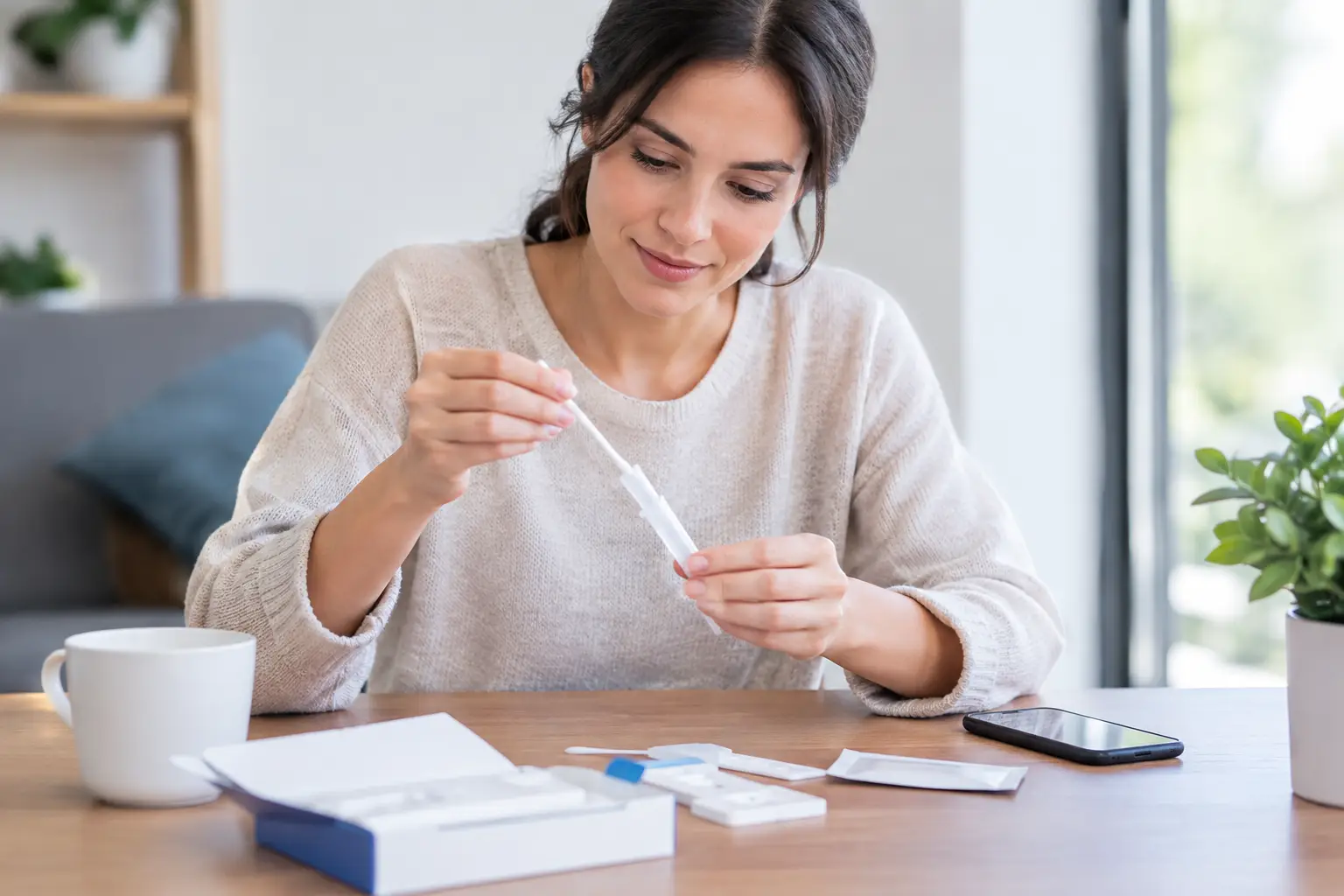
Wear a top with sleeves that can roll comfortably above the elbow. Bring your photo ID, insurance information if requested, laboratory order, and any kit or paperwork supplied by your provider. If your collection involves a home test kit, keep all components together and do not open or prepare anything early unless the instructions say to do so.
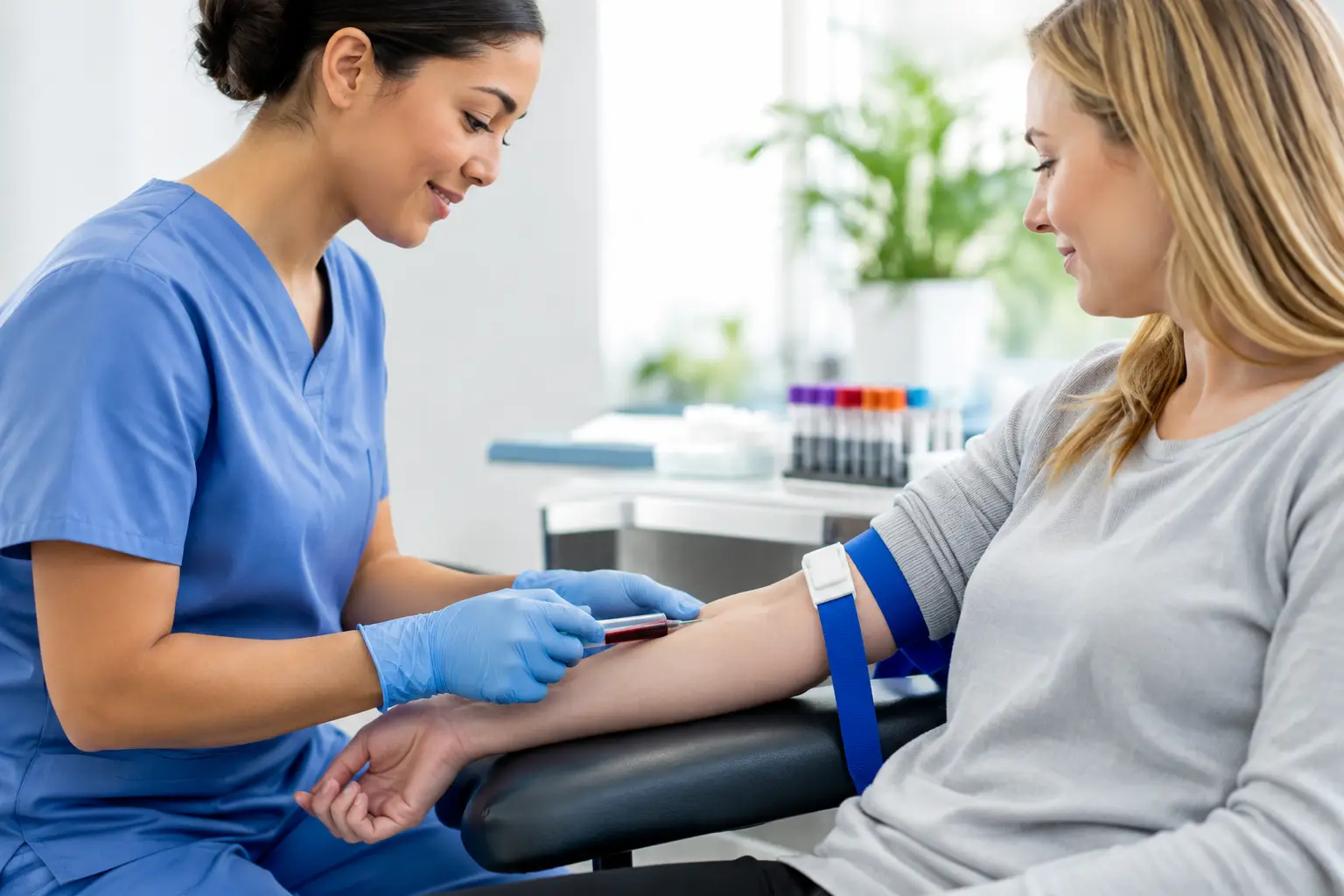
Be honest with your phlebotomist about difficult veins, a history of fainting, anxiety around needles, or a past reaction to blood draws. This information helps the collection professional make practical adjustments, such as having you recline or giving you a few quiet minutes after the draw.
If you are arranging a mobile appointment, choose a well-lit space with a stable chair, a nearby table or clean counter, and room for the phlebotomist to work comfortably. Your home or office can be a calmer option than sitting in a crowded waiting room while you are hungry. Phlebotomy Experts brings certified, HIPAA-compliant collection support to patients who need that added comfort and convenience.
If you accidentally eat or drink something
Do not panic, but do not hide it either. Write down what you had and roughly when you had it, then call the ordering provider, laboratory, or collection service before the appointment if you can. A sip of black coffee may matter differently than a full breakfast, and the right next step depends on the specific tests ordered.
Sometimes the provider may tell you to proceed and document it. Other times, rescheduling is the best way to avoid an inaccurate result and a repeat draw. Being upfront saves time and helps protect the value of your testing.
After the blood draw, break your fast gently
Once the specimen has been collected, you can usually eat and drink unless your provider has given other instructions. Start with the snack or meal you prepared in advance. Pairing protein with a carbohydrate, such as yogurt and fruit, eggs and toast, or peanut butter and crackers, can be especially helpful if you are hungry or prone to feeling faint.
Keep the bandage on for the time your phlebotomist recommends. A small bruise or mild tenderness can happen, especially if you take blood thinners or have delicate veins. Avoid heavy lifting with that arm for a short time, and contact your healthcare provider if you have persistent bleeding, significant swelling, worsening pain, or symptoms that concern you.
The best preparation is simple: know your fasting window, drink plain water if allowed, confirm medication instructions, and give yourself enough time to arrive or settle in comfortably. A calm, well-prepared appointment helps your collection go smoothly and gives your provider the clearest possible information to guide your care.

Related Posts