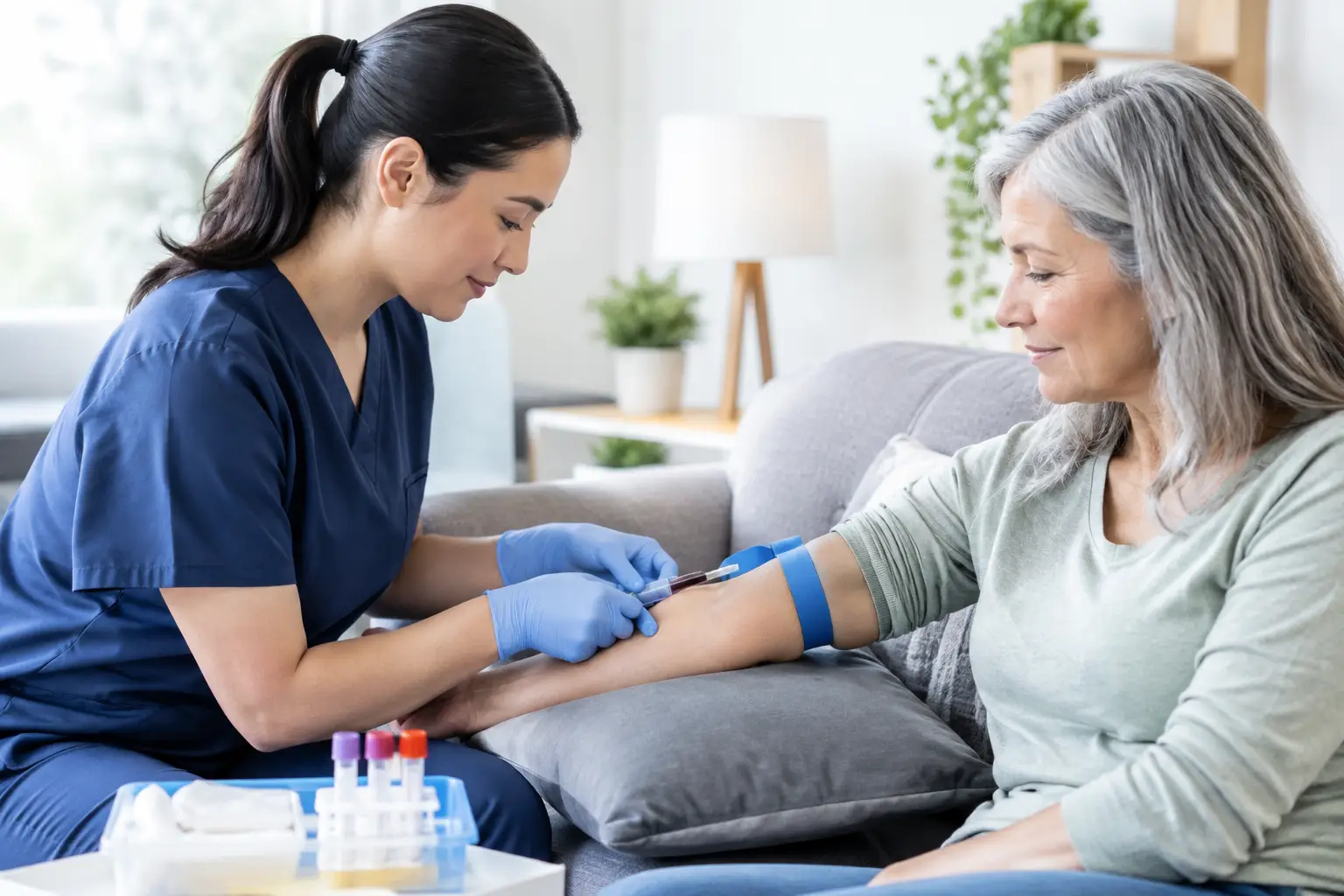
Use this guide to mobile lab safety to know what a safe in-home blood draw looks like, from verified credentials and clean setup to fast specimen delivery.

Can Fasting Affect Laboratory Results? What to Know
A cup of coffee on the way to a blood draw can feel harmless. For some tests, it is. For others, it can make a real difference in how your numbers are read. So, can fasting affect laboratory results? Yes – but only for certain tests, and the right plan depends on exactly what your provider ordered.
Fasting is not meant to make your appointment harder. It gives the laboratory a more consistent snapshot of your blood, without recent food, drinks, or supplements temporarily shifting the values. If getting to a lab while fasting feels like a lot, especially when you are managing mobility challenges, caregiving, work, or a recurring medical condition, a mobile blood draw can make the process much more comfortable.
Why fasting can affect laboratory results
After you eat, your body goes to work digesting and processing nutrients. Glucose rises after carbohydrates. Triglycerides can rise after a meal containing fat. Certain vitamins, minerals, and hormones may also fluctuate based on what you ate, when you ate, exercise, alcohol, medications, and supplements.
A fasting instruction helps reduce those short-term variables. It allows your provider to compare your result with established reference ranges and with your own previous labs more confidently. That does not mean a nonfasting result is automatically wrong. It means the result may answer a slightly different question.
For example, a nonfasting cholesterol panel can still be useful in many situations. But if triglycerides are elevated, your provider may request a repeat fasting panel to get a clearer baseline. Your care team, not a blanket internet rule, should decide which preparation fits your test.
Which blood tests commonly require fasting?
The orders on your lab slip are what matter most. Some of the tests that may come with fasting instructions include:
- Lipid panels, especially tests measuring triglycerides
- Fasting blood glucose and some diabetes-related evaluations
- Comprehensive or basic metabolic panels when your provider specifically requests fasting
- Certain insulin, glucose tolerance, or specialized endocrine tests
- Some nutrient and iron studies, depending on the laboratory and clinical question
Many common tests do not require fasting, including complete blood counts, thyroid testing, many infectious disease screenings, pregnancy-related blood work, and numerous routine monitoring tests. Still, exceptions happen. A provider might request fasting because of your symptoms, medications, prior results, or a particular laboratory protocol.
The safest move is simple: read the instructions on the order and ask the ordering provider or laboratory if anything is unclear. Do not assume that every blood draw needs fasting, and do not fast just because someone else had to for a different test.
What “fasting” usually means
For most routine fasting blood tests, fasting means no food or caloric beverages for 8 to 12 hours before collection. Plain water is usually allowed and encouraged. Staying hydrated can make veins easier to access and may help you feel better during the draw.
Coffee is usually not part of a fast, even black coffee. The same goes for tea, juice, soda, energy drinks, milk, creamers, protein shakes, alcohol, gum, candy, and mints. Each can affect metabolism directly or trigger digestive and hormonal responses that may influence a result.
Water is the usual exception, but follow the instructions you were given. A few specialized tests have different requirements, and some procedures require more individualized preparation.
Medications, vitamins, and supplements: do not guess
Fasting instructions do not mean you should skip prescribed medications. Some medicines must be taken on schedule, and suddenly stopping them can be unsafe. Take medications exactly as your prescribing clinician directed unless they have specifically told you otherwise.
That said, medication timing can matter for certain tests. Thyroid medication, diabetes medications, insulin, iron, biotin, vitamin supplements, and some hormone treatments may need special timing around blood collection. Biotin, often found in hair, skin, and nail products, can interfere with select laboratory assays. Your provider may ask you to stop it for a period before testing, but only if they give you that instruction.
If you are unsure, call the provider who ordered the test before your appointment. Tell them every prescription, over-the-counter medicine, vitamin, herbal product, and injectable treatment you use. This is especially important for people managing diabetes. Fasting without a personalized plan can lead to low blood sugar, which is not something to push through for the sake of a lab test.
Can fasting affect laboratory results if you fast too long?
Yes. Longer is not always better. Going far beyond the requested fasting window can sometimes affect glucose, bilirubin, triglycerides, hydration status, and other measurements. It may also leave you dizzy, nauseated, or faint during your appointment.
An overnight fast is often the easiest approach. If your draw is scheduled at 8:00 a.m. and you were told to fast for 10 hours, finish dinner or a light evening snack by 10:00 p.m., then drink plain water until your appointment. This keeps the fasting window practical without turning it into an all-day ordeal.
Avoid intense exercise right before the draw unless your clinician tells you otherwise. A hard workout can temporarily change markers such as glucose, muscle enzymes, and some blood cell values. Alcohol the day before may also influence triglycerides, glucose, liver-related tests, and hydration.
What if you accidentally eat or drink before your test?
Please do not panic, and do not hide it. Tell your phlebotomist and the laboratory staff exactly what you had and when. A small bite of food, a latte, a vitamin gummy, or an early-morning coffee may or may not require rescheduling, depending on the ordered tests.
In many cases, the specimen can still be collected, with the fasting status documented for the provider. In other cases, postponing may prevent the hassle and expense of a repeat draw. Your ordering provider or laboratory can guide that decision.
Being honest protects the usefulness of your results. A number without context can send a provider looking for a problem that was really caused by breakfast.
How to make a fasting blood draw easier
A little planning can make the morning much smoother. Schedule early when possible, so most of the fasting happens while you sleep. Keep water nearby overnight and in the morning. Wear a comfortable short-sleeve shirt or a top with sleeves that roll up easily. If you tend to feel lightheaded, have a snack ready for immediately after the collection, as long as your provider has not given you additional instructions.
For children, older adults, people in hospice or assisted living, and patients with mobility limitations, the logistics can be the toughest part. Fasting while sitting in a crowded waiting room is nobody’s idea of a good morning. At-home or office collection can let you rest in a familiar setting and eat soon after your specimen is safely collected.
Phlebotomy Experts coordinates convenient mobile collections with experienced, HIPAA-compliant phlebotomists who bring calm, respectful care to your home, office, care facility, or other appropriate location. Your specimen is then delivered to the designated laboratory according to collection requirements.
The bottom line on fasting instructions
Fasting can affect laboratory results, but it is only one part of getting an accurate picture of your health. The exact test, your medical history, your medications, and your provider’s goal all matter. Follow the written preparation instructions, drink water when permitted, and speak up if you ate, took a supplement, or are concerned about safely fasting.
A good blood draw should feel clear and manageable, not stressful. With the right instructions and a comfortable setting, you can give your care team the information they need while taking good care of yourself, too.

Related Posts