A homebound testing guide for arranging safe, comfortable blood draws at home, preparing your paperwork, and getting specimens to the right lab on time.

How to Coordinate Specimen Pickup Without the Wait
A specimen that sits too long, goes to the wrong laboratory, or is collected without the right paperwork can turn a simple blood draw into a frustrating repeat appointment. Knowing how to coordinate specimen pickup means getting the details in place before the needle ever comes out – so you can stay comfortable at home, at work, or in a care setting while your specimen gets where it needs to go.
For many patients, the hardest part is not the blood draw. It is sorting out the doctor’s order, the correct laboratory, special collection supplies, timing requirements, and transportation. A mobile phlebotomy concierge can take much of that pressure off your shoulders while still keeping you informed at every step.
How to Coordinate Specimen Pickup Before Your Appointment
Start with the laboratory order. Your physician, specialist, or telehealth provider may provide a printed requisition, an electronic order, or instructions for a specific test kit. Have that information ready when scheduling. The order tells the collector what tests are needed and often identifies the laboratory that will process them.
It also helps to ask one simple question before booking: does this test have special collection or delivery requirements? Routine blood work may be straightforward, but specialty testing can be time-sensitive. Therapeutic phlebotomy, prenatal DNA testing, serum eye drop processing, PRP-related collection, and home test kits may each require specific tubes, forms, handling instructions, or delivery windows.
If you already have a test kit at home, keep it sealed and bring all enclosed paperwork to the appointment. Do not discard packaging just because it looks like shipping material. It may include a return label, barcodes, temperature materials, or instructions the collector needs to follow.
When you contact a mobile collection provider, be ready to share the following details:
- Your full name, date of birth, phone number, and collection address
- The physician’s order or laboratory requisition
- The name and location of the receiving laboratory or hospital
- Whether you have lab tubes, a kit, or special collection instructions
- Your preferred appointment time and any fasting requirements
A little preparation prevents the common headache of having a phlebotomist arrive only to discover that an order is missing or the wrong kit was supplied. If anything about the instructions is unclear, say so. It is better to clarify before collection than to guess after it.
Choose the Right Pickup Location and Time
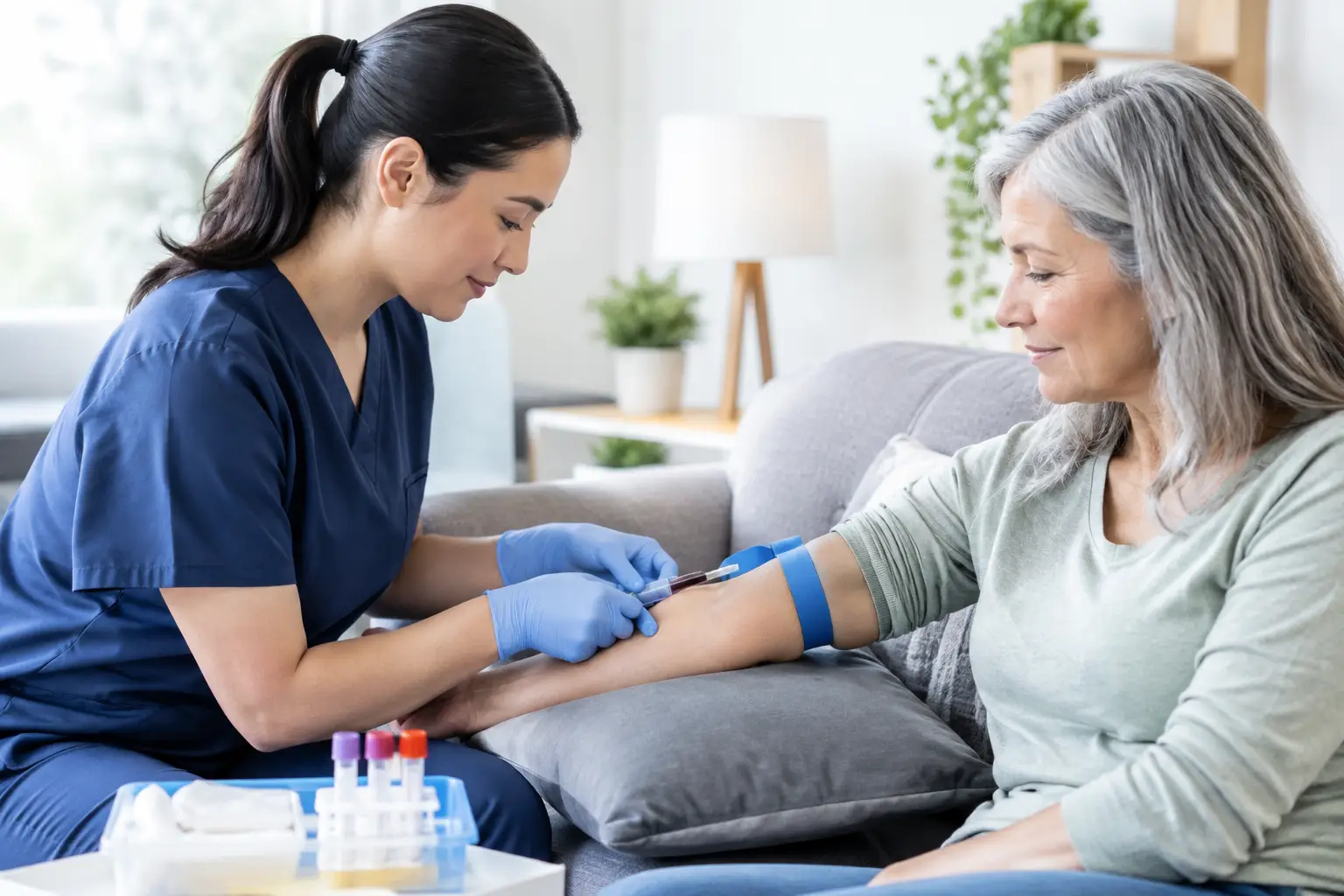
The best location is the one where the patient can be calm, seated safely, and easily reached. That may be a kitchen table at home, a private office, an assisted-living room, a rehabilitation facility, hospice care setting, or a workplace conference room. Comfort matters, especially for older adults, children, patients with mobility concerns, or anyone who gets anxious around blood draws.
Timing matters just as much. Some orders require fasting, morning collection, a draw before medication, or collection within a narrow window. Tell the scheduler if you need a particular time of day. If you are fasting, confirm whether you may drink water and whether medications should be taken as usual. Your ordering provider is the best source for medical instructions about medications.
For care facilities, coordination may involve an extra layer of communication. Let the nurse, caregiver, front desk, or facility coordinator know when the mobile phlebotomist is expected. This is particularly helpful when a resident needs assistance getting settled, has a medical alert, or requires a family member to be present.
Same-day availability can be helpful for urgent needs, but it depends on collector availability, the receiving laboratory, and the nature of the test. A specialty specimen may require more planning than routine labs. The safest approach is to schedule as early as possible and provide the complete order at the time of booking.
Make Sure the Specimen Goes to the Correct Lab
A specimen pickup is not simply a courier stop. The specimen must be labeled correctly, paired with the right paperwork, handled according to the test requirements, and delivered to the appropriate laboratory or hospital. This is why experienced field service matters.
Before the appointment, confirm whether your doctor has directed your specimen to a specific laboratory. Many patients use established laboratories such as Quest Diagnostics, Labcorp, WestPac Labs, CMB Laboratory, St. Joseph, or Cedars-Sinai. The correct destination should come from your order, insurance requirements, physician instructions, or the testing kit itself.
Do not assume that any laboratory can process every test. Some specialty tests are sent to a designated facility, while certain hospital orders must return to that hospital’s laboratory. A good mobile phlebotomy provider will review the information with you, but the final laboratory destination should be clear before collection begins.
If you are unsure, call your physician’s office and ask where the specimen should be delivered. A quick confirmation can save a day or more of delays.
Prepare Yourself for a Comfortable Collection
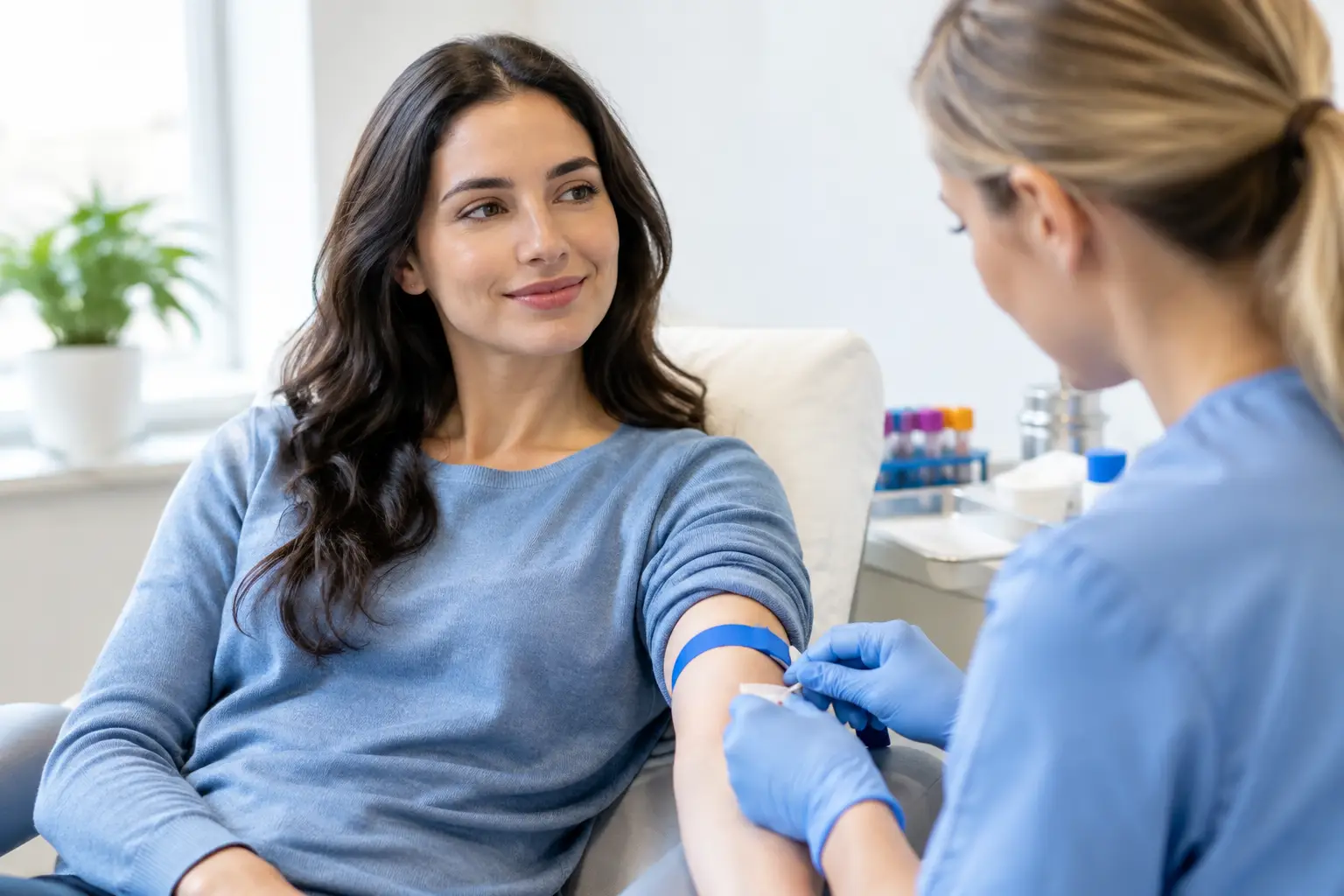
You do not need to turn your home into a laboratory. You just need a clean, well-lit space with a chair or stable seating. Wear a shirt with sleeves that can easily roll above the elbow. If you tend to feel faint during blood draws, let the phlebotomist know right away so they can position you comfortably.
Unless you have been told to fast, drink water before your appointment. Hydration can make veins easier to access and may help the collection go more smoothly. If the order requires fasting, plain water is often acceptable, but follow the exact instructions provided by your doctor or laboratory.
Parents arranging a draw for a child should keep the moment simple and reassuring. A favorite toy, calm voice, and a comfortable seat can make a real difference. An experienced phlebotomist knows that good bedside manner is not an extra. It is part of the care, especially for our little Angels and patients who have had difficult draws in the past.
What Happens During Specimen Pickup
At the appointment, the phlebotomist should verify your identity, review the order, and confirm the tests before collecting the specimen. This is the time to speak up if your name, date of birth, test, physician, or laboratory destination does not look right.
After collection, tubes and specimens are prepared according to the applicable requirements and packaged for transport. The exact process varies by test. Some specimens need prompt delivery, while others require particular temperature protection or processing steps. That is why a collector should never promise that every test follows the same timeline.
With a professional mobile service, patient information and records should be handled in a HIPAA-compliant manner. You deserve discretion whether you are receiving a routine wellness panel in your office, recurring therapeutic phlebotomy at home, or a specialty draw in a residential care setting.
Phlebotomy Experts coordinates mobile collection and laboratory delivery with certified, experienced professionals who understand that patients are trusting us with more than a tube of blood. You are trusting us with your time, privacy, comfort, and next step in care.
After the Pickup: Know Who Provides Results
Mobile collectors coordinate the draw and delivery, but laboratory results are usually released through your ordering physician, patient portal, or the laboratory’s established process. Ask your provider when to expect results and who to contact if they do not appear when expected.
Keep a copy or photo of your requisition until your results are complete. If there is a question later, that paperwork can help your physician’s office and laboratory locate the order quickly. For recurring testing, save the scheduler’s contact information and note whether your next draw requires fasting, a new order, or a specific kit.
The right specimen pickup should feel calm, organized, and respectful – not like another medical errand you have to fight through. When the order, timing, destination, and handling needs are confirmed upfront, you can let the laboratory come to you and focus on feeling your best.

Related Posts