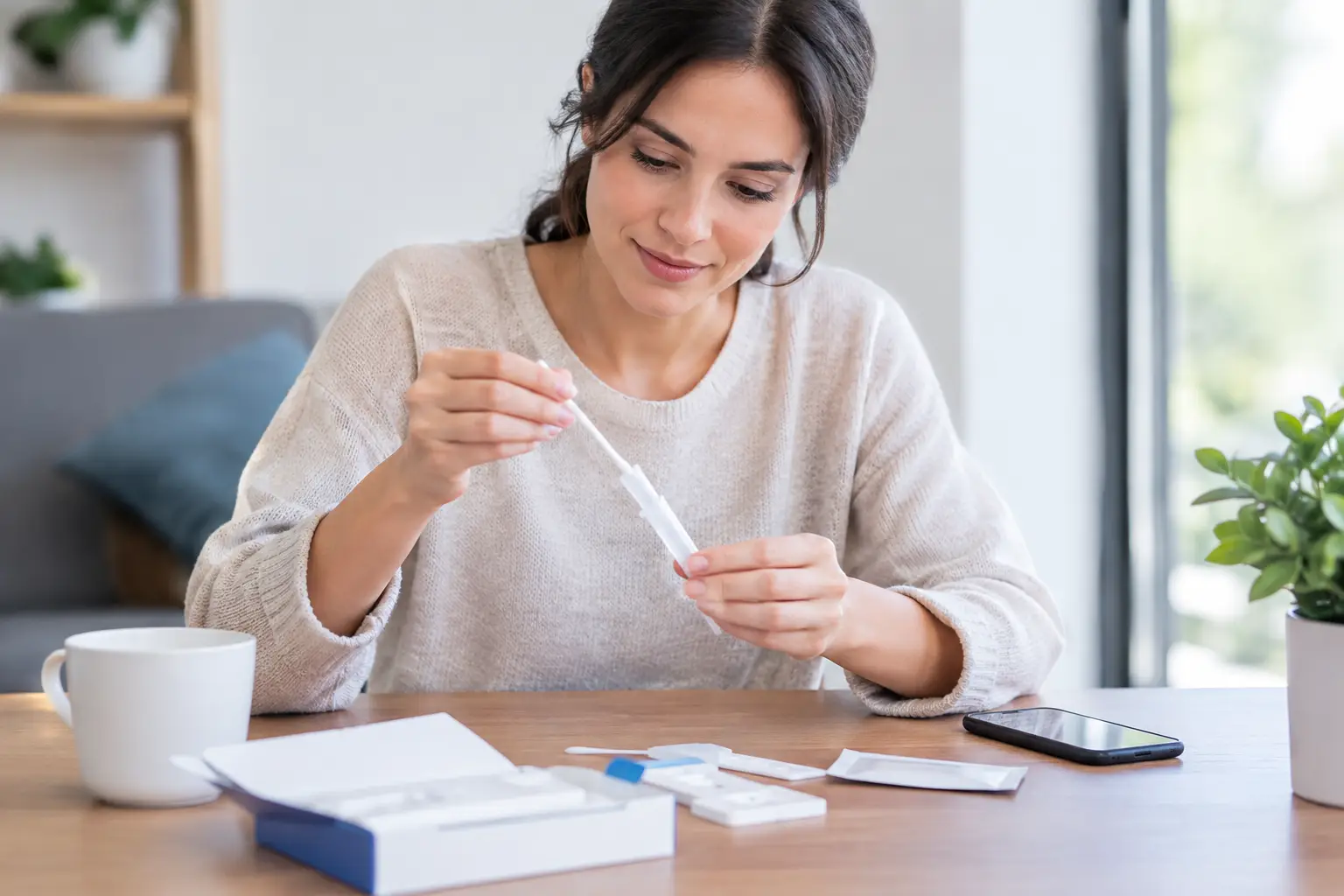
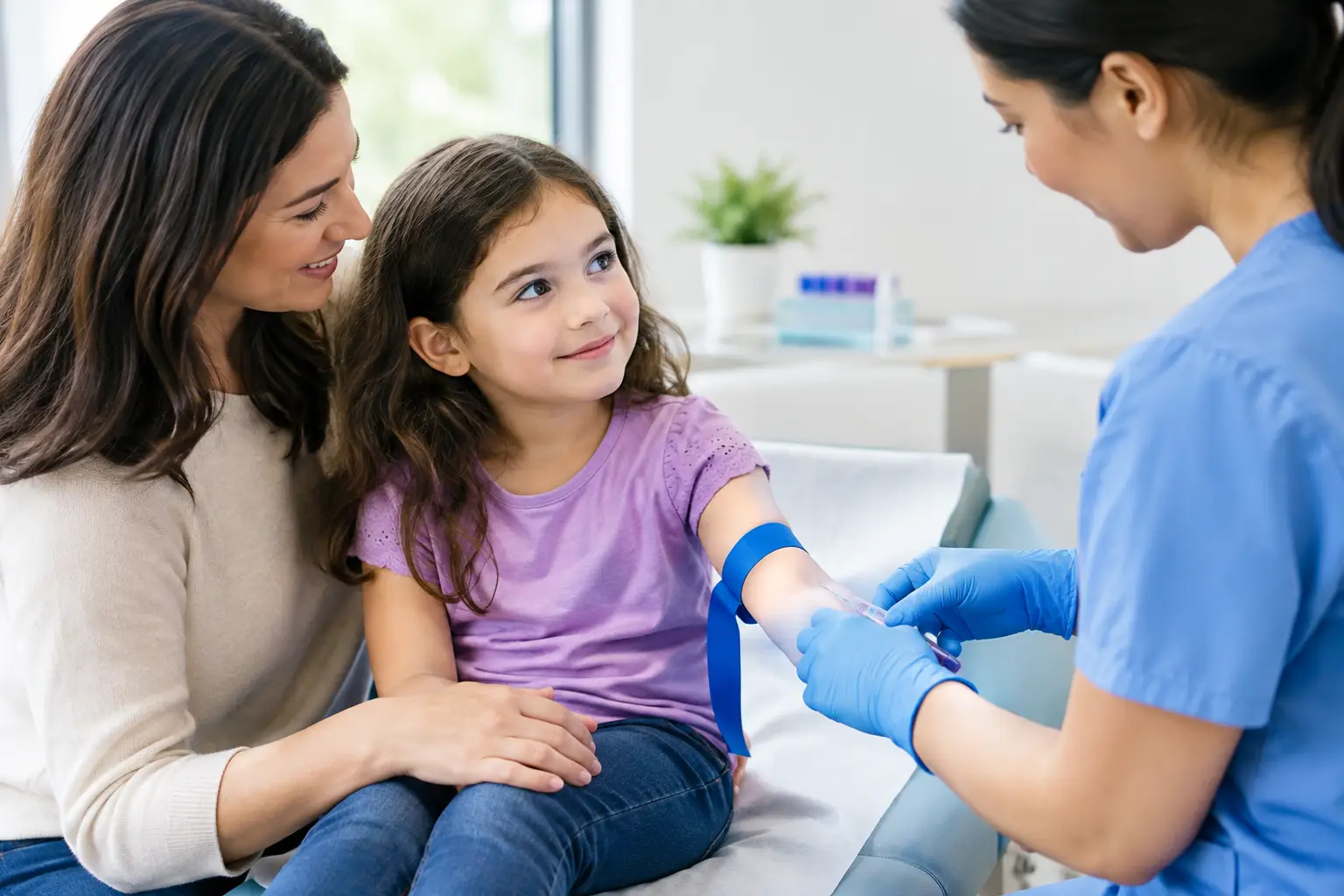
Our serum eye drop processing guide explains mobile blood collection, safe handling, lab coordination, and what to expect before your appointment day.
How to Book Rehabilitation Phlebotomy Care
A blood draw should not become the hardest part of recovery. When a patient is rebuilding strength after surgery, illness, injury, or a hospital stay, getting to a crowded lab can mean extra pain, transportation stress, and a day of exhaustion. Knowing how to book rehabilitation phlebotomy helps families, care teams, and patients arrange needed testing where the patient is most comfortable.
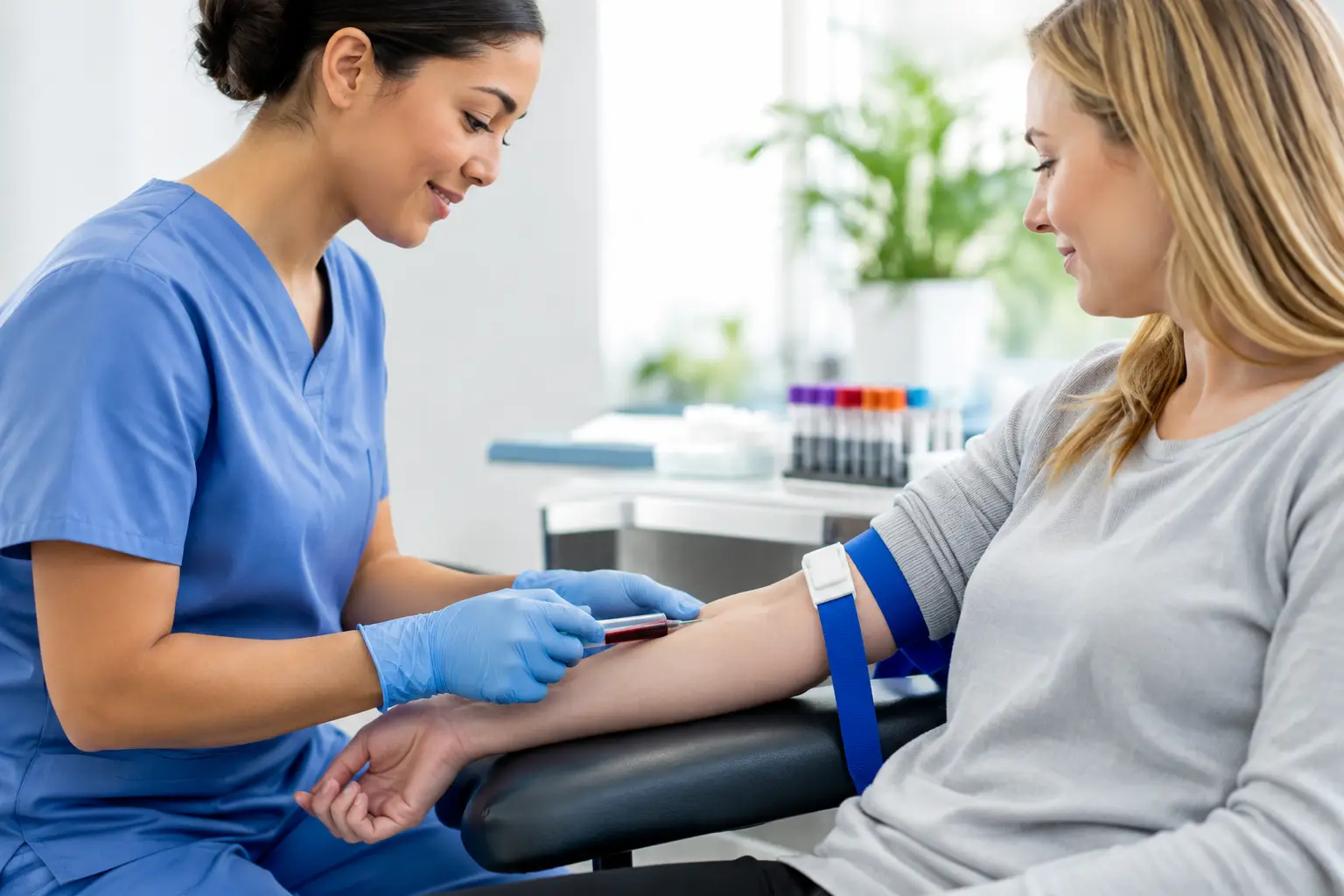
Mobile phlebotomy brings a certified professional to a rehabilitation facility, skilled nursing setting, assisted living community, group home, or private residence. The collection is completed at the bedside or in another appropriate on-site space, then specimens are delivered to the designated laboratory or hospital according to required handling procedures. It is personal, practical care that lets recovery remain the priority.
When rehabilitation patients may need blood work
Blood testing is common during rehabilitation, especially when a physician is monitoring recovery after hospitalization. A care plan may call for routine lab work to check blood counts, kidney function, electrolytes, medication response, nutrition markers, infection concerns, or chronic conditions such as diabetes and anemia.
Some patients also need recurring therapeutic phlebotomy under a physician’s order. Others may need a one-time draw before a follow-up appointment or after a medication change. The reason for the test affects what needs to be scheduled, so have the provider’s instructions available before booking.
For patients with limited mobility, fatigue, fall risk, cognitive changes, or a weakened immune system, an on-site draw can be much gentler than arranging a car ride, waiting in a lobby, and navigating a traditional laboratory. It also gives caregivers one less difficult transfer or appointment to coordinate.
How to book rehabilitation phlebotomy step by step
The booking process is straightforward when the necessary information is ready. Start by confirming that the ordering physician or qualified provider has provided a lab order. A mobile phlebotomist collects the specimen, but laboratory testing generally requires an order that identifies the requested tests, patient details, and ordering provider.
Next, call to check appointment availability and explain that the draw is for a patient in rehabilitation. Share whether the patient is at a facility or home, their city, and the preferred appointment window. Same-day availability may be possible in some service areas, but it depends on staffing, travel time, the test requirements, and how quickly the order can be reviewed. Scheduling ahead is best when the test is time-sensitive or recurring.
Be prepared to provide the patient’s full name, date of birth, contact information, the collection address, and the name of the facility if applicable. The scheduler may also ask for the lab order, insurance or billing details, the preferred laboratory, and the physician’s contact information. If the patient has a history of difficult draws, fainting, dehydration, bruising, or a port or other special clinical consideration, mention it during scheduling. This helps the phlebotomist arrive prepared and helps the team plan for a comfortable visit.
At a rehabilitation facility, the nurse, administrator, or unit coordinator may need to approve the visit and identify where collection can take place. Ask the facility about visitor check-in procedures, required identification, infection-control rules, and the best point of contact on the day of service. A small amount of coordination before the appointment can prevent a delayed draw when the patient is resting, in therapy, or off the unit.
Have these details ready before you call
A clear order and the right collection plan matter more than rushing the appointment. Keep the physician’s lab order available as a paper copy, secure electronic copy, or in the format requested by the service. Confirm the laboratory named on the order, especially if the provider wants specimens delivered to a specific lab or hospital system.
Also ask whether the patient needs to fast, avoid supplements, take medication as usual, or schedule the draw at a certain time. Do not guess. Some tests are flexible, while others have very specific timing or preparation requirements. The ordering provider’s instructions should always lead.
If the patient is in a rehab center, let staff know the appointment time so they can help with access and preparation. The patient may need water beforehand if permitted, a few quiet minutes after physical therapy, or support sitting comfortably during the draw. For a patient at home, choose a well-lit space with a stable chair, table, and room for the phlebotomist to work safely.
What happens during the mobile blood draw
A qualified phlebotomist will verify the patient’s identity, review the order, and explain the collection process. The patient can ask questions before the draw begins. A calm explanation is especially helpful for someone who is anxious, has memory concerns, or has had difficult experiences with needles.
After collection, the phlebotomist labels and prepares the specimens for delivery according to laboratory requirements. Privacy matters at every step. A professional mobile service should handle patient information carefully and follow HIPAA-compliant practices.
The draw itself is usually brief, but the appointment should never feel rushed. Rehabilitation patients may need extra time to settle in, change position, or recover after the collection. Good bedside manner is not an extra. It is part of safe, respectful care.
Results are typically sent to the ordering provider or released through the laboratory’s usual process. The mobile phlebotomist does not diagnose conditions or interpret results. If a result is urgent, follow the physician’s instructions and the facility’s clinical protocols.
Choosing the right mobile phlebotomy service
Not every blood-draw request is the same. A routine outpatient panel may be simple, while specialty testing, therapeutic phlebotomy, home test kits, or specimens with strict transport timelines require closer coordination. Ask whether the service can collect the specific test ordered and deliver it to the intended laboratory.
Experience with rehabilitation and residential-care patients matters, too. The right team understands that a patient may be in pain, tired after therapy, medically fragile, or uneasy around unfamiliar people. Look for licensed or certified field professionals, clear communication with the patient and care team, protective protocols, and reliable specimen delivery.
Phlebotomy Experts provides a Mobile Phlebotomy Concierge approach for patients needing collection at rehabilitation facilities, homes, assisted living settings, and other convenient locations. The focus is simple: let the laboratory come to you while experienced professionals handle the collection with a smile and respectful bedside care.
Questions families and care teams should ask
Before confirming an appointment, ask whether the service covers the patient’s location, what documentation is required, and whether the requested collection can be performed on-site. Confirm the expected arrival window, any cancellation policy, and how the specimen will reach the laboratory.
It is also wise to ask who should be present. Some patients are fully comfortable on their own. Others benefit from a family member, caregiver, nurse, or familiar staff member nearby. For a patient with dementia, significant anxiety, hearing impairment, or mobility challenges, that familiar support can make the visit feel much easier.
If fasting is required, try to schedule the draw early enough that the patient can eat and drink as directed afterward. If the patient is receiving rehabilitation therapy, avoid booking directly before a strenuous session when possible. These small choices can make a real difference in how the patient feels that day.
A gentler way to keep recovery moving
Recovery already asks a lot of patients and families. Blood work is necessary, but the trip to get it does not always have to be. With a valid order, a little preparation, and an experienced mobile phlebotomy team, rehabilitation testing can happen where the patient has support, comfort, and room to focus on getting stronger.
When you are ready to arrange a draw, call to check availability, gather the order and facility details, and choose a time that respects the patient’s care routine. A thoughtful appointment is one small way to make a demanding recovery period feel more manageable.

Related Posts