
Learn why blood bruises after a draw, what makes a bruise more likely, simple home care steps, and signs that call for prompt medical advice right away.
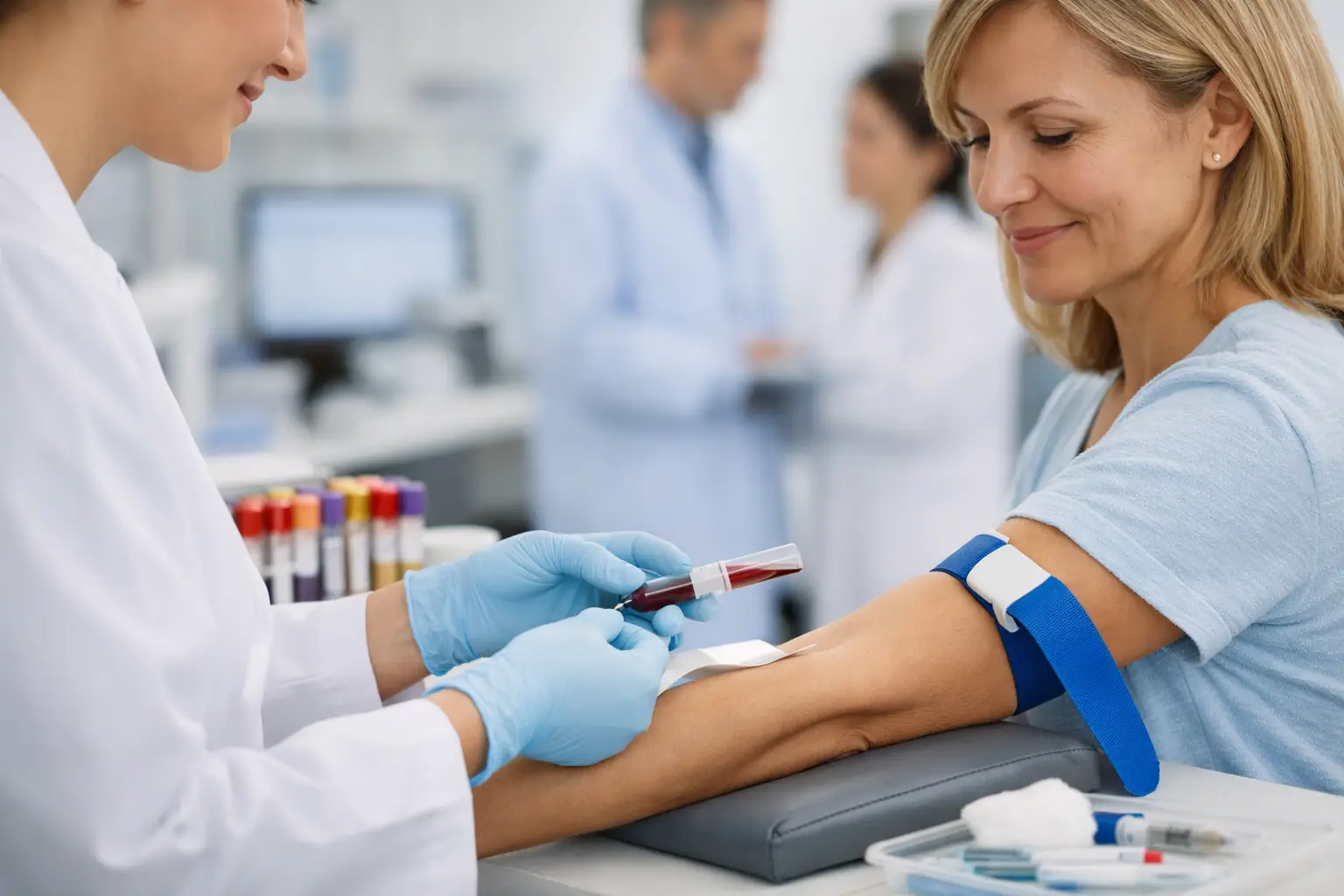
Clinical Trial Blood Collection, Made Easier
A missed blood draw can mean more than an inconvenient reschedule. For a clinical trial participant, it may add stress to an already busy care routine. For a study team, it can create a protocol deviation, delay laboratory processing, or leave a valuable timepoint uncollected. Clinical trial blood collection needs to be precise, participant-friendly, and coordinated from the first appointment request through specimen delivery.
That is where mobile collection can make a real difference. Rather than asking a participant with mobility limits, a demanding work schedule, or treatment-related fatigue to sit in a crowded waiting room, a qualified phlebotomist can meet them at home, work, a residential facility, or another approved location. The goal is simple: make the required draw easier to complete without compromising the study protocol.
Why Clinical Trial Blood Collection Requires Extra Care
A routine blood test and a study blood draw may look similar from the participant’s point of view, but the operational details can be very different. A clinical trial may require collection at a particular visit window, specific tubes, exact labeling, processing instructions, temperature controls, or a defined courier handoff. Some protocols also call for fasting, timed draws, multiple collections, or special handling before the specimen reaches the central or local laboratory.
Those details matter because a specimen is only useful when it can be connected confidently to the right participant, right visit, right collection time, and right testing process. A warm, calm bedside manner is essential, but so is careful attention to the study materials and written instructions.
Mobile support is not a replacement for a study protocol. It is a way to carry out that protocol in a location that works better for the participant. The best arrangement depends on the sponsor’s requirements, the research site’s procedures, laboratory logistics, and what the participant needs to safely complete the visit.
When Mobile Collection Helps Participants Stay on Schedule
Travel is often the quiet reason a participant falls behind. An older adult may need help getting to a collection center. A parent in a pediatric study may be balancing school, work, and another child’s schedule. A patient in hospice, assisted living, rehabilitation, or a group home may have limited transportation or a care plan that makes off-site appointments difficult.
Home or on-site collection can reduce that friction. It can also be helpful for participants who are immunocompromised, recovering from treatment, living with a disability, or simply unable to take several hours away from work for a short draw. For busy professionals, an office appointment may be the difference between completing a required study visit and postponing it.
Convenience should never mean cutting corners. The collection location must support privacy, safe setup, accurate identification, and proper packaging. A kitchen table may be perfectly workable for one protocol, while another may require access to special supplies, immediate processing, or a coordinated pickup that changes the plan entirely.
The Appointment Starts Before the Needle
Good collection begins with confirmation. Before arriving, the phlebotomist or scheduling team should have the approved collection kit or supply list, participant identifiers, required forms, draw instructions, and a clear understanding of where specimens need to go. If fasting, medication timing, or hydration instructions apply, participants should receive those details early enough to prepare.
Participants also deserve a realistic appointment window. A concierge-style service should respect their time, communicate clearly if conditions change, and give simple instructions for preparing the space. Usually, a clean, well-lit area with a chair or place to sit comfortably is enough. If a participant has a history of fainting, difficult veins, anxiety around needles, or special access needs, sharing that information ahead of time can help the visit go more smoothly.
At the Collection Visit
At the appointment, identity verification and paperwork are not formalities. They protect the participant and the study. The phlebotomist should confirm the participant’s identity according to the study’s process, verify the collection requirements, check the labels and tubes, and explain what will happen before beginning.
For many people, especially those who have had frequent blood draws, being treated like a person rather than a task changes the whole experience. A skilled phlebotomist combines a steady hand with patient communication: checking comfort, answering practical questions, and allowing a moment to breathe when someone feels nervous.
Pediatric collection deserves even more patience. Children respond to calm voices, clear choices, and an adult who does not rush them. The same is true for adults with dementia, sensory sensitivities, or needle-related anxiety. A successful visit is not only one where the tube is filled. It is one where the participant feels respected enough to return for the next required draw.
Specimen Handling Is Part of the Patient Experience
Once blood is collected, the job is not over. Study specimens may need inversion, centrifugation, refrigeration, ambient-temperature packaging, freezing, or immediate delivery. The instructions must come from the protocol and laboratory. Following them consistently helps protect specimen integrity and supports reliable results.
Chain-of-custody documentation can also be required. Collection time, handoff time, package condition, and delivery details may all matter. A mobile phlebotomy team needs a dependable plan for transportation, whether that means delivery to an established laboratory, hospital, research site, or designated courier. There is no one-size-fits-all process because each study has its own collection and shipping requirements.
For participants, this behind-the-scenes work brings peace of mind. They should not be left wondering whether they have to drive the tubes somewhere, call a courier, or figure out what comes next. Clear instructions after the draw are especially helpful when a participant is scheduled for recurring collections.
What Study Teams Should Confirm Before Scheduling
Research coordinators and study managers can prevent last-minute problems by aligning the mobile collection workflow before the first participant appointment. Confirm which locations are permitted, who provides kits and labels, whether the collector needs site-specific training, and how collection windows will be documented. It is also wise to define who is contacted if a participant is unavailable, a draw cannot be completed, or a specimen needs an urgent pickup.
Privacy is another essential piece. Participant information should be handled through HIPAA-compliant practices, with only the necessary details shared for scheduling, collection, and delivery. A professional mobile provider understands that discretion matters as much in a private residence as it does in a clinic.
Experience with laboratories is helpful, but protocol familiarity is just as important. A provider may be able to deliver specimens to major laboratories or hospitals, yet the research team should still confirm the exact destination, accepted hours, required paperwork, and any special receiving instructions. Details that sound small on paper can determine whether a sample is accepted.
A More Human Way to Support Research
Clinical research depends on participants who give their time, energy, and trust. Making a required blood draw less stressful is not merely a customer-service gesture. It can support retention, reduce missed visits, and help participants feel cared for throughout a demanding process.
Phlebotomy Experts provides mobile clinical-study collection support with experienced, patient-focused phlebotomists who understand that every visit represents both a person and an important research commitment. Our team coordinates carefully around approved instructions, specimen delivery needs, and the comfort of the individual in the chair.
If you are a participant, ask your study coordinator whether mobile collection is permitted for your visit. If you are coordinating a study, check appointment availability early, share the protocol-specific requirements, and build a collection plan that gives participants one less reason to miss a meaningful milestone. A kind, well-organized blood draw can make it easier for someone to keep showing up for the research that may help others tomorrow.
