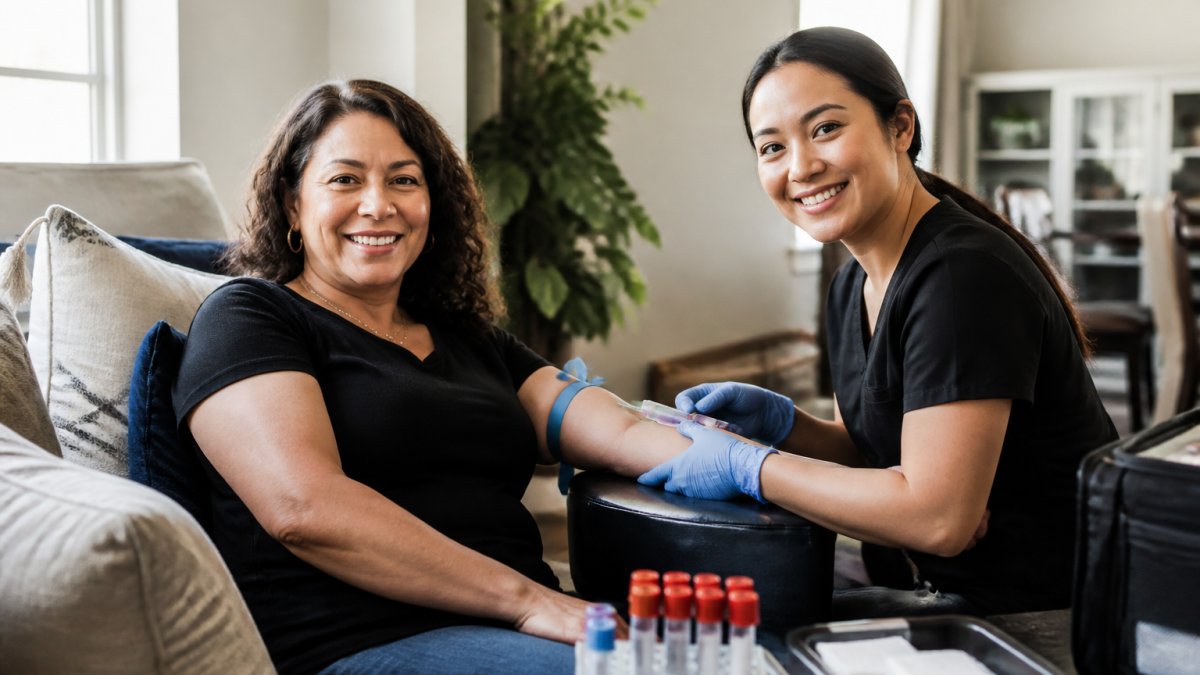
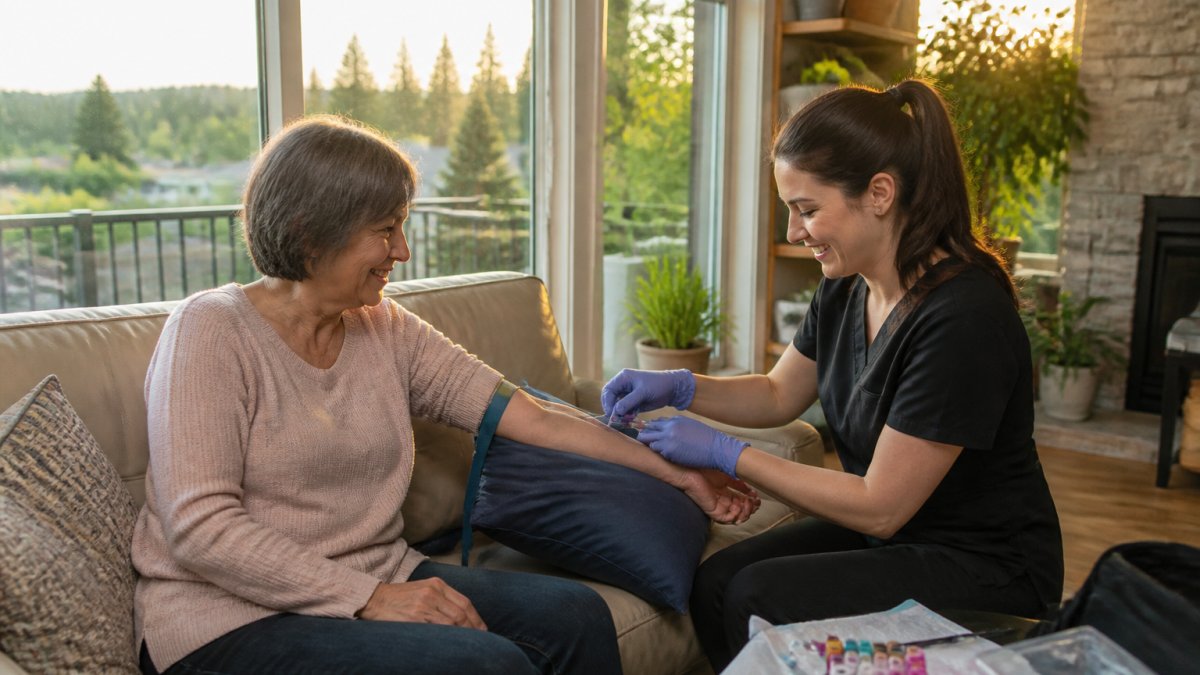
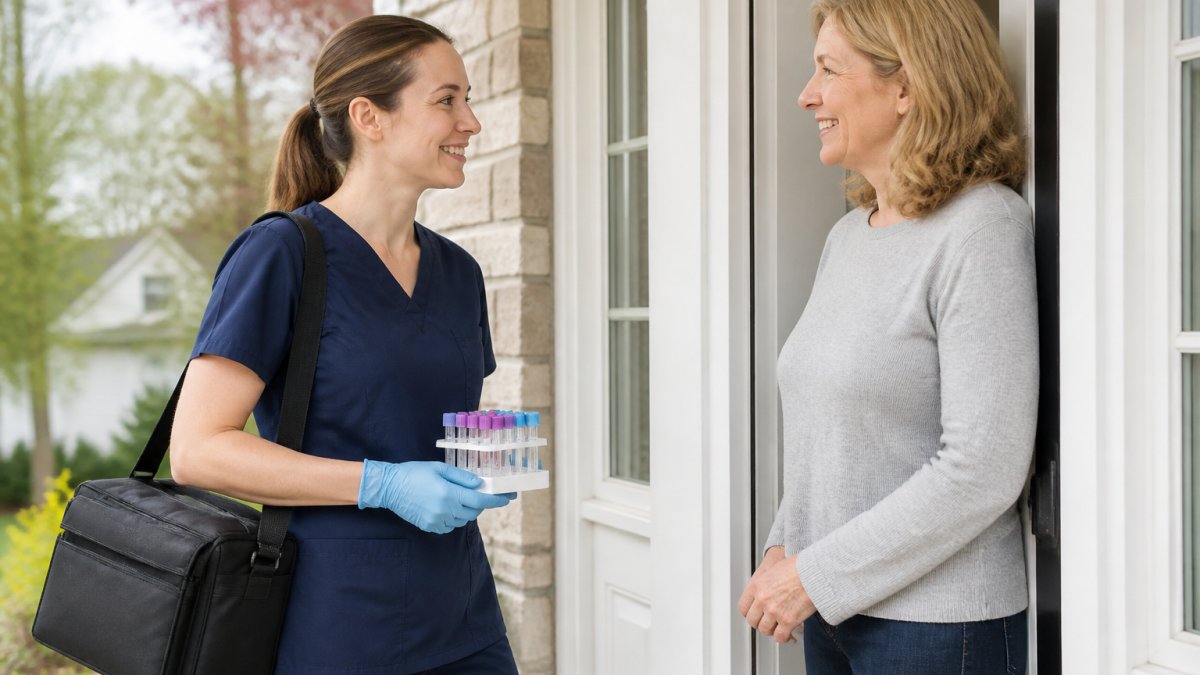
Breaking down the cost of in home blood draws: collection fees, lab charges, insurance, and what you actually pay out-of-pocket.
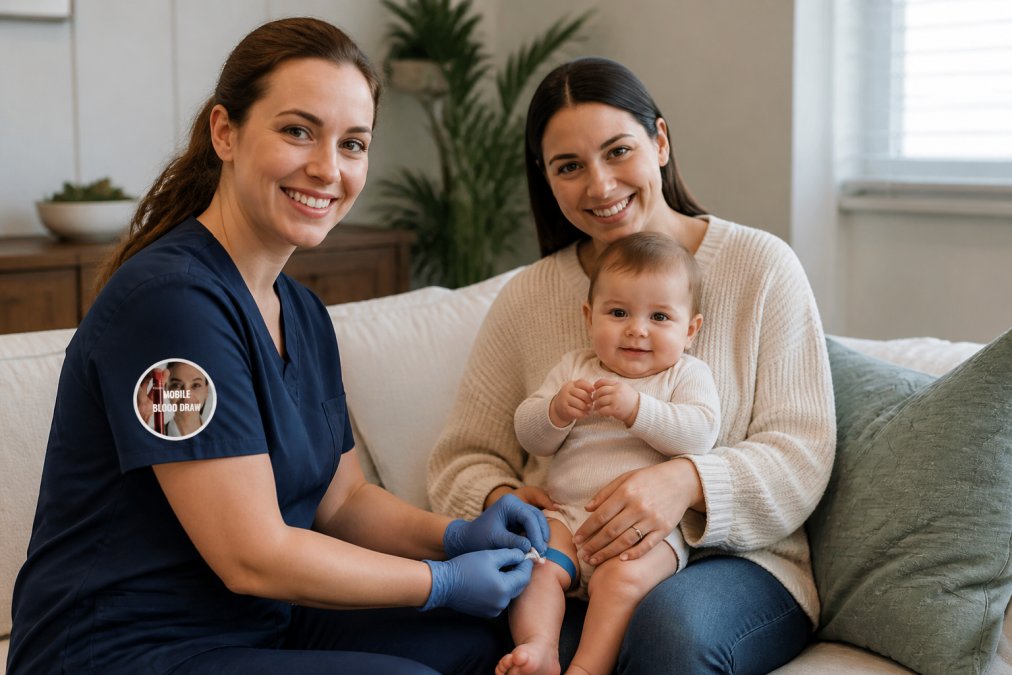
Gentle Blood Draw for Infants: A Parent’s Guide
Table of Contents
- What a Gentle Blood Draw for Infants Actually Involves
- How to Prepare Your Infant for a Blood Test
- Safe Blood Volume Limits for Infants: What Parents Should Know
- Comfort Measures for Pediatric Blood Draws That Actually Work
- Managing Parental Anxiety During Your Infant’s Blood Draw
- Mobile Phlebotomy for Children: A Gentler Alternative at Home
- What to Expect During and After a Gentle Blood Draw for Infants
- Frequently Asked Questions
Last Updated: September 2, 2026
What a Gentle Blood Draw for Infants Actually Involves
A gentle blood draw for infants is a specimen collection procedure adapted for a baby’s fragile physiology, smaller veins, and heightened sensitivity to stress and pain. When performed by a skilled phlebotomist trained in pediatric technique, the experience is far calmer than most parents expect. The procedure follows the same clinical goal as any blood draw, collecting enough specimen for accurate lab analysis, but every variable changes: needle size, blood volume limits, site selection, positioning, and environment all matter significantly.
Venepuncture vs. Heel-Prick: Which Method Is Used for Your Baby
Two main methods are used for infant blood sampling: venepuncture and the heel-prick (heel-stick).
Venepuncture involves inserting a small butterfly needle into a vein, typically in the hand, antecubital area, or scalp, to draw blood directly into a collection tube. It is preferred when larger specimen volumes are needed or multiple tests are ordered.
Heel-prick (heel-stick) is a microsampling technique most commonly used in neonates and newborns. The phlebotomist warms the heel to promote vasodilation, then uses a small lancet to puncture the skin. Blood is collected in capillary tubes or onto filter paper cards.
The choice depends on the test ordered, the infant’s age and size, and vein accessibility. For routine newborn screening panels, the heel-stick is standard. For complex lab panels or higher specimen volume requirements, venepuncture is typically preferred.
Common Blood Draw Sites for Newborns and Infants
For heel-stick procedures, the lateral and medial plantar surfaces of the heel are the safest sites, chosen to avoid underlying nerves and bone.
For venepuncture in infants, common sites include the dorsal hand veins, antecubital fossa (inside of the elbow), scalp veins in neonates (when peripheral access is difficult), and the saphenous vein near the ankle. A skilled phlebotomist will assess vein access before committing to a site, using warmth and gentle palpation to identify the best option for a single, confident attempt.
How to Prepare Your Infant for a Blood Test
Preparation is the most underestimated part of a pediatric blood draw. The real work happens before you arrive.
Creating a Sensory-Friendly Environment Before the Draw
Infants are acutely sensitive to sensory input. A bright, noisy, unfamiliar clinical environment raises cortisol levels, causing veins to constrict and making the draw harder.
If you’re having a mobile phlebotomy service come to your home, you have a significant advantage. For clinical visits, these steps still apply:
- Dim the lighting if possible, or request a quieter exam room
- Bring a familiar comfort item such as a pacifier, soft toy, or blanket that smells like home
- Minimize noise: turn off televisions, ask siblings to wait outside, and speak in a calm voice
- Dress your baby in loose, easy-access clothing to avoid struggling during the draw
A calm environment directly affects vein accessibility and procedure smoothness.
Feeding Timing and Practical Steps on the Day
Unless your ordering physician has specified a fasting requirement (uncommon in infants), feeding your baby 30 to 60 minutes before the draw is sound practice.
Practical steps for the day of the draw:
- Confirm with your physician whether any fasting or feeding restrictions apply
- Feed your baby approximately 30 to 60 minutes before the appointment
- Pack a comfort item and a change of clothes
- Arrive or prepare your home space a few minutes early
- Warm the draw site at home if instructed (a warm washcloth on the heel for a few minutes promotes vasodilation)
Pro Tip
If your baby uses a pacifier, dipping it in a small amount of sucrose solution (sugar water) immediately before the draw is a well-documented comfort measure for neonates. Ask your pediatrician whether this is appropriate for your child’s age and health status.
If your baby uses a pacifier, dipping it in a small amount of sucrose solution (sugar water) immediately before the draw is a well-documented comfort measure for neonates. Ask your pediatrician whether this is appropriate for your child’s age and health status.
Safe Blood Volume Limits for Infants: What Parents Should Know
Infants have a much smaller total blood volume (TBV) than adults, so the amount of blood drawn must be carefully controlled. According to guidance from the American Academy of Pediatrics on neonatal blood sampling, clinical teams are expected to track cumulative blood loss in neonates and premature infants to prevent iatrogenic anemia.
For healthy, full-term infants undergoing routine outpatient testing, the volumes collected are typically very small and well within safe limits. Parents should ask the phlebotomist or ordering physician:
- How much blood will be drawn?
- Is this the minimum volume needed for the tests ordered?
- Are there microsampling options that reduce the volume required?
A licensed phlebotomist should answer these questions clearly and without hesitation.
Watch Out
Never allow a blood draw to proceed without knowing which tests are ordered and approximately how much blood will be collected. If a phlebotomist cannot or will not answer that question, it is reasonable to pause and confirm with your physician before proceeding.
Never allow a blood draw to proceed without knowing which tests are ordered and approximately how much blood will be collected. If a phlebotomist cannot or will not answer that question, it is reasonable to pause and confirm with your physician before proceeding.
Comfort Measures for Pediatric Blood Draws That Actually Work
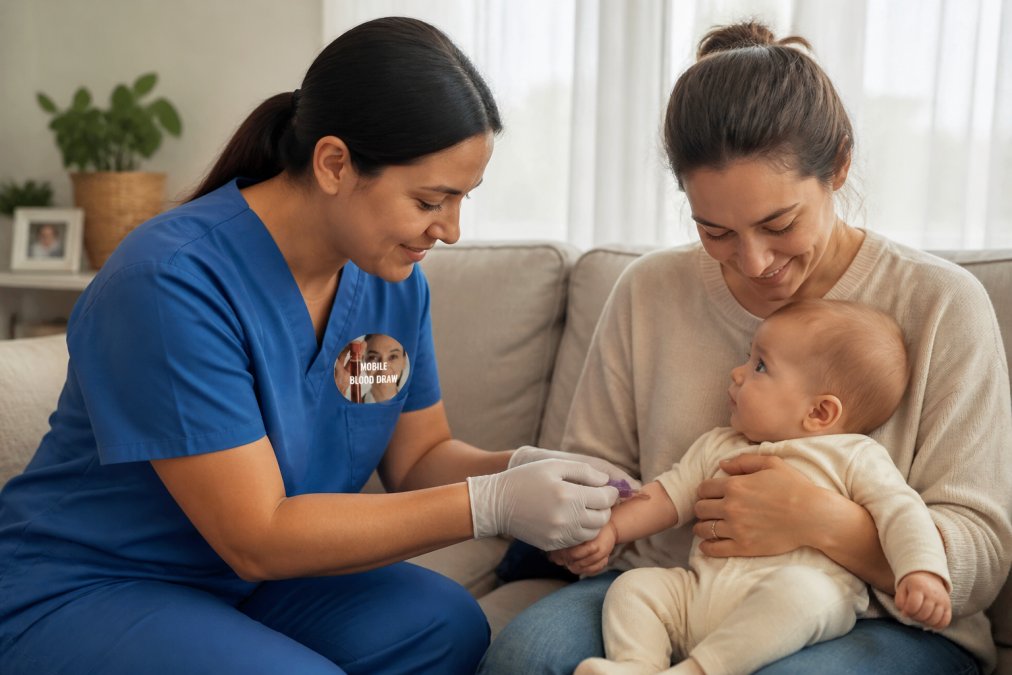
Comfort during a pediatric blood draw is a clinical strategy. Infants who are calm have better peripheral blood flow, making vein access easier and reducing the likelihood of multiple attempts.
Physical Positioning and Comfort Holds
The comfort hold is one of the most effective tools available during a pediatric blood draw. A parent or caregiver holds the infant in a secure, upright position against their chest, with the baby’s arms contained and their head supported. This position reduces startle responses and provides physical reassurance.
For a heel-stick, the infant is typically held supine or cradled, with the leg slightly dependent to encourage blood flow. For venepuncture, the phlebotomist will position the infant’s arm or hand to maximize vein access while the parent maintains the comfort hold around the torso. Swaddling in a warm blanket before the draw also helps, the warmth promotes vasodilation, and the snug wrapping mimics the containment that infants find calming.
Distraction Techniques and Pain Management
Distraction is a proven anxiolysis strategy for infants. Effective options include non-nutritive sucking (a pacifier), gentle singing or talking, visual distraction (a mobile or colorful toy), and skin-to-skin contact. For older infants, blowing bubbles or using a pinwheel can redirect attention effectively. Introduce distraction before the draw begins, not after discomfort starts.
According to the National Institutes of Health’s pediatric pain management resources, non-pharmacological comfort measures including sucrose, non-nutritive sucking, and skin-to-skin contact are supported by clinical evidence for reducing procedural pain in infants.
Post-Procedure Care, Rewards, and Positive Reinforcement
Apply gentle pressure to the site with a clean gauze pad to prevent hematoma formation. For heel-stick sites, avoid rubbing, which can cause bruising. A small adhesive bandage is appropriate for older infants; for newborns, secure the gauze with gentle medical tape.
Then celebrate. Immediately after the draw, return to feeding, skin-to-skin contact, or whatever your baby finds most comforting. For older infants, a sticker, small toy, or enthusiastic praise helps build a positive association with the clinical procedure.
Key Takeaway
The post-draw comfort period is where positive associations are built. An infant who is soothed and rewarded immediately after a blood draw is far easier to work with at the next appointment.
The post-draw comfort period is where positive associations are built. An infant who is soothed and rewarded immediately after a blood draw is far easier to work with at the next appointment.
Managing Parental Anxiety During Your Infant’s Blood Draw
Parental anxiety is contagious. Infants are exquisitely sensitive to caregiver stress. A parent who is visibly tense, holding their breath, or gripping the baby too tightly communicates that something frightening is happening. Managing your own anxiety is one of the most practical things you can do to help your baby through a blood draw.
Effective strategies include breathing slowly and deliberately before and during the procedure, asking questions beforehand rather than during, choosing a phlebotomist you trust, and avoiding watching the needle if that triggers anxiety. If you have a history of needle phobia, tell the phlebotomist before the appointment so they can adjust their communication style.
Mobile Phlebotomy for Children: A Gentler Alternative at Home
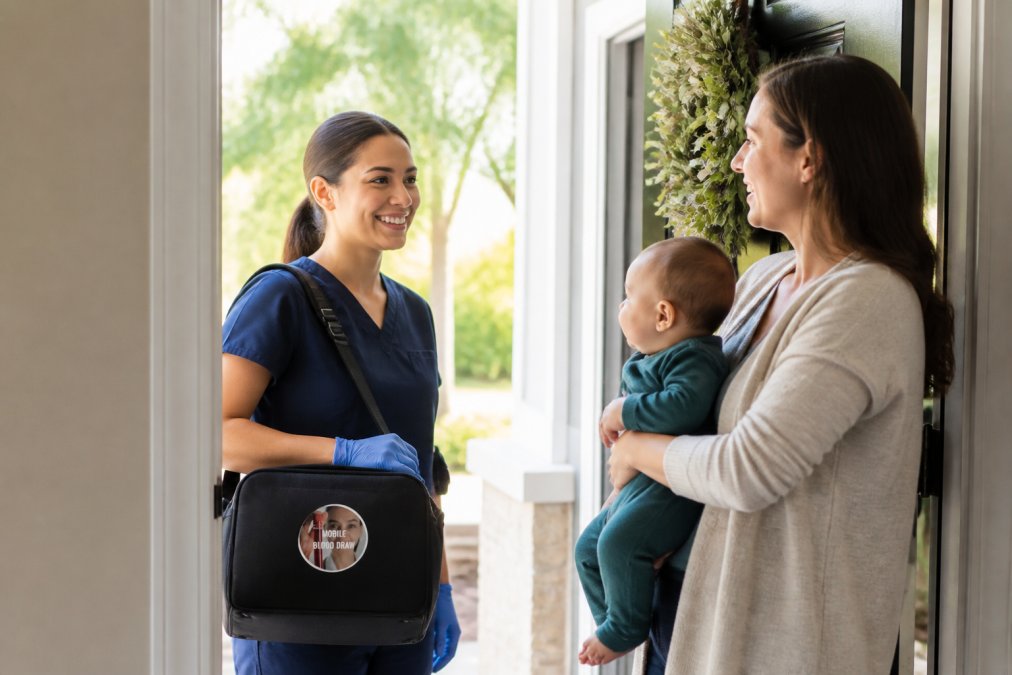
Mobile phlebotomy for children removes the single biggest stressor in most pediatric blood draws: the clinical environment itself. When a licensed phlebotomist comes to your home, your baby is already in their most comfortable, familiar space. There is no waiting room, no unfamiliar faces, no institutional anxiety.
Phlebotomy Experts provides in-home mobile phlebotomy services for infants and children, performed by licensed phlebotomists with professional pediatric bedside manner. Specimens are transported safely to your preferred laboratory for processing, with results delivered to your ordering physician promptly.
The practical advantages of mobile phlebotomy for pediatric blood draws include no travel with a distressed infant, no waiting room exposure, full parental control of the home environment, scheduling flexibility around feeding and nap schedules, and a one-on-one interaction with a dedicated phlebotomist.
Pro Tip
When scheduling a mobile pediatric blood draw, ask the service whether the phlebotomist has specific experience with infants. Pediatric vein access requires different technique than adult draws, and experience matters significantly.
When scheduling a mobile pediatric blood draw, ask the service whether the phlebotomist has specific experience with infants. Pediatric vein access requires different technique than adult draws, and experience matters significantly.
What to Expect During and After a Gentle Blood Draw for Infants
A gentle blood draw for infants, performed by an experienced phlebotomist, typically takes less than 15 minutes from setup to completion.
Before the draw begins: The phlebotomist will review the test orders, confirm the infant’s identity, and select the appropriate collection method and site. They will explain each step to the parent and answer questions. Warmth may be applied to the draw site to promote blood flow.
During the draw: The phlebotomist will position the infant with the parent’s assistance, clean the site, and perform the collection. A steady, confident technique minimizes discomfort.
Immediately after: Pressure is applied to the site, a bandage is placed, and the parent takes over comfort care. The phlebotomist will label and package the specimen for transport.
In the hours after: Some mild bruising or a small mark at the draw site is normal. Watch for signs of hematoma (swelling or significant bruising) and contact your physician if the site appears infected or your baby is unusually irritable. According to clinical guidelines from the Clinical and Laboratory Standards Institute on pediatric specimen collection, post-draw site monitoring is a standard safety protocol in pediatric phlebotomy.
Most infants settle within a few minutes of the draw ending. A feeding session immediately after is one of the most effective ways to return to baseline calm.
| Stage | What Happens | Duration |
|---|---|---|
| Setup and review | Test orders confirmed, site selected, warmth applied | 2-5 minutes |
| Draw (heel-stick) | Lancet puncture, capillary collection, site pressure | 3-7 minutes |
| Draw (venepuncture) | Butterfly needle insertion, tube collection, site pressure | 2-5 minutes |
| Post-draw care | Bandage, specimen labeling, parent comfort measures | 2-3 minutes |
| Recovery | Feeding, skin-to-skin, return to calm | 5-15 minutes |
The entire experience, from the phlebotomist arriving to the infant settled in a parent’s arms, is typically much shorter and calmer than families anticipate.
Gentle blood draws for infants require a specific combination of clinical skill, environmental awareness, and genuine patience. For families who want that standard of care without the stress of a clinic visit, Phlebotomy Experts brings licensed, experienced phlebotomists directly to your home, handling specimen transport to your preferred lab. Call Now to Scheduled!
Frequently Asked Questions
Q: Where is the best place to draw blood from a baby?
A: For newborns and young infants, the heel is the most common blood draw site, using a heel-prick or heel-stick method suited for small-volume microsampling. For older infants with more developed veins, a phlebotomist may use venepuncture at the antecubital fossa (inside the elbow) or the back of the hand. The choice depends on the infant’s age, weight, vein access, and the volume of blood required for the lab test ordered.
Q: How can I soothe my baby during a blood draw?
A: Non-nutritive sucking, skin-to-skin contact, swaddling, and a calm voice from a parent are among the most effective comfort measures for pediatric blood draws. Oral sucrose solution, when approved by your child’s physician, can also reduce pain signals during the procedure. Keeping the room quiet and dim, minimizing the number of people present, and speaking softly throughout helps regulate the infant’s stress response and supports a smoother specimen collection.
Q: What is the safe blood draw limit for infants?
A: Safe blood volume limits for infants are calculated as a percentage of total blood volume (TBV). Neonates and small infants have a TBV of roughly 80-85 mL per kilogram of body weight. Clinical safety protocols generally restrict single blood draws to no more than 1-5% of TBV, though the exact limit depends on the infant’s weight, health status, and how frequently draws occur. Always confirm safe volume limits with the ordering physician and the phlebotomist before the procedure.
Q: What are the benefits of mobile phlebotomy for infants?
A: Mobile phlebotomy for children removes the stress of traveling to a clinical lab with a young infant. The familiar home environment reduces the infant’s anxiety and the parent’s, supports sensory-friendly preparation, and eliminates waiting room exposure. A licensed mobile phlebotomist brings professional equipment directly to your home, performs the gentle blood draw, and ensures the specimen is transported safely to your chosen laboratory, reducing handling errors and saving significant time.
This article was written using GrandRanker

Related Posts