Breaking down the cost of in home blood draws: collection fees, lab charges, insurance, and what you actually pay out-of-pocket.
Mobile Phlebotomy for Elderly Patients: A Complete Guide
Table of Contents
- What Mobile Phlebotomy Means for Elderly Patients
- Key Benefits: Why Mobile Phlebotomy Matters for Seniors
- Reducing Fall and Infection Risks at Home
- Phlebotomy Best Practices for Geriatric Patients
- How to Properly Store Blood Samples Before Lab Transport
- Medicare Coverage for Home Blood Draws
- What to Expect: A Patient and Caregiver Preparation Checklist
- Choosing a Certified Phlebotomist and Verifying Credentials
- Frequently Asked Questions
Last Updated: September 3, 2026
What Mobile Phlebotomy Means for Elderly Patients
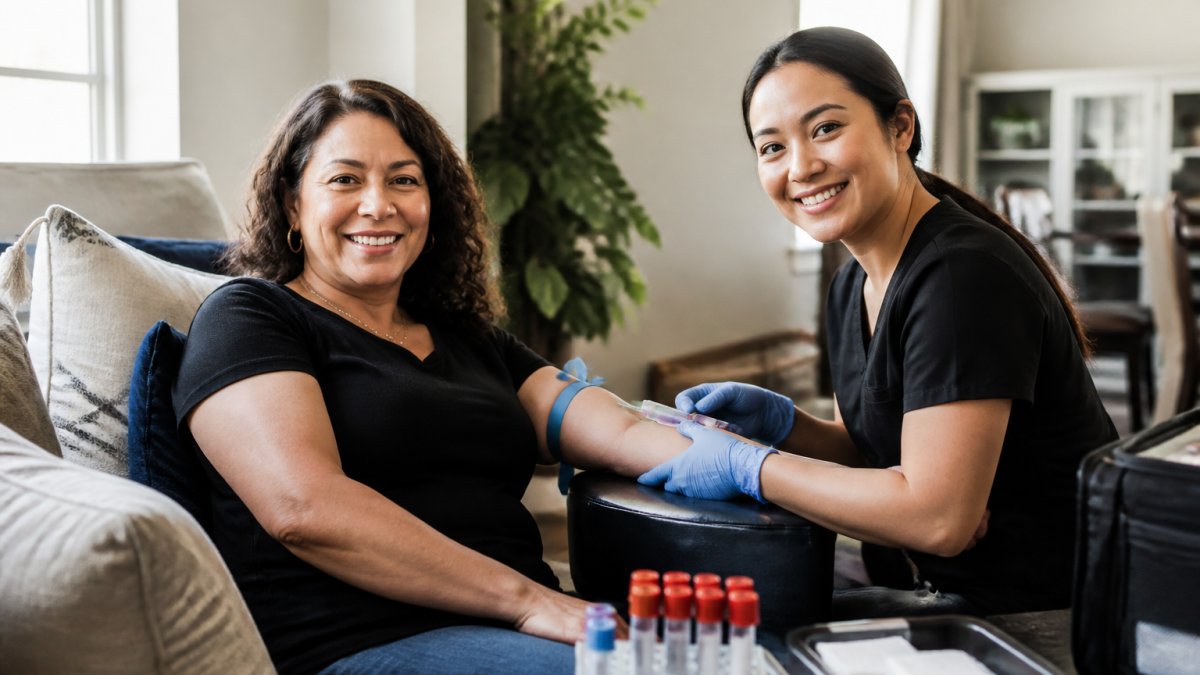
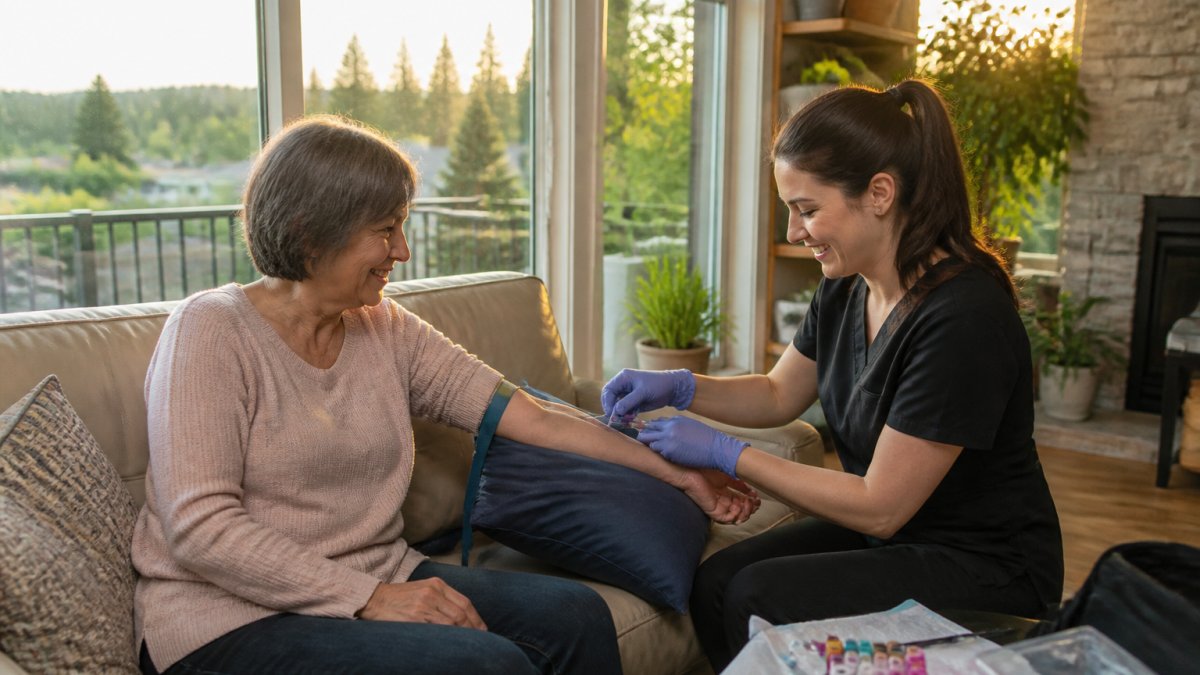
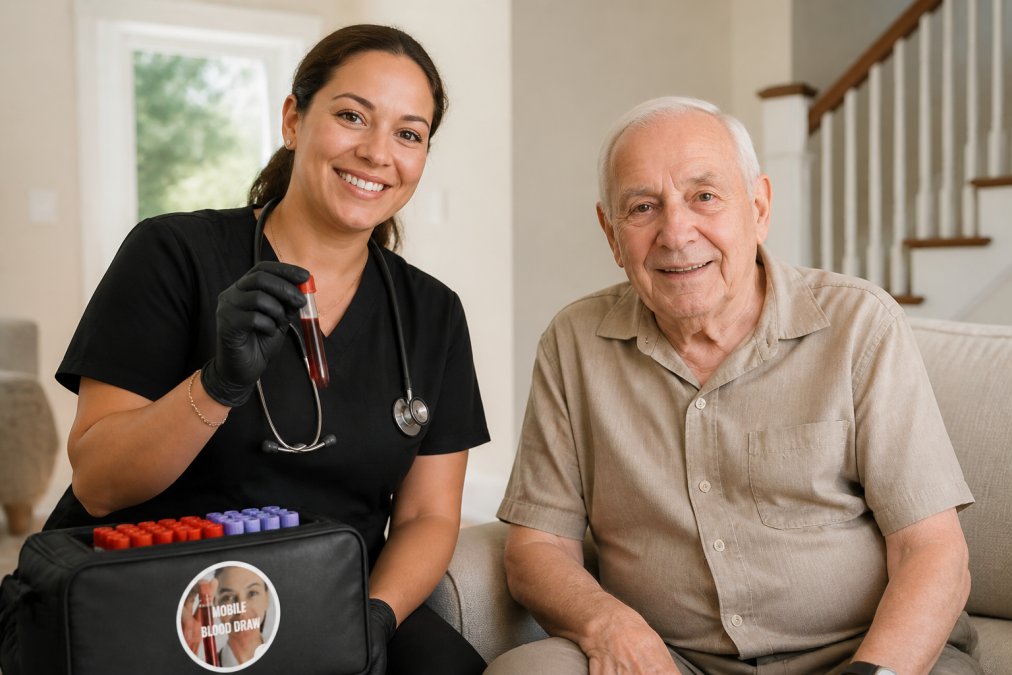
Mobile phlebotomy for elderly patients is the practice of sending a certified phlebotomist directly to a patient’s home, assisted living facility, or office to collect blood samples for laboratory testing. Rather than requiring seniors to travel to a clinic or hospital, the phlebotomist brings professional specimen collection services to them, ensuring samples are drawn safely and transported promptly to the lab.
For many elderly patients, this shift matters profoundly. Mobility challenges, transportation barriers, and the physical demands of traveling to a medical facility can delay or prevent routine diagnostic testing altogether. At Phlebotomy Experts, we understand that convenience is often the difference between staying on top of health management and letting critical tests slide. A certified phlebotomist arriving at your home eliminates the friction that keeps many seniors from getting the care they need. Our licensed technicians follow strict infection control protocols, handle specimen collection with precision required for reliable lab results, and ensure your samples reach the laboratory in optimal condition.
Key Benefits: Why Mobile Phlebotomy Matters for Seniors
Eliminating transportation challenges. Many elderly patients depend on family members for rides or face long waits for medical transportation services. Mobile phlebotomy removes this friction entirely. The certified phlebotomist comes to you on your schedule, in an environment where you’re already comfortable.
Reducing physical and emotional stress. The clinical environment of a lab or hospital can be intimidating, especially for seniors with needle phobia or anxiety around medical procedures. Being drawn at home, in familiar surroundings, with a professional who has time to explain each step, significantly reduces stress and improves test accuracy.
Supporting healthcare coordination. When a physician orders blood work but the patient struggles to get to the lab, that test often doesn’t happen. Mobile phlebotomy bridges this gap, ensuring diagnostic testing occurs as prescribed and results reach your ordering physician promptly.
Improving compliance with routine monitoring. Patients on blood thinners, diabetes medications, or other treatments requiring regular lab monitoring are more likely to stay compliant when testing is convenient. At-home collection removes barriers to consistent monitoring that their conditions demand.
Reducing Fall and Infection Risks at Home
One of the most compelling reasons seniors benefit from mobile phlebotomy for elderly patients is the elimination of fall risk during travel. Falls are the leading cause of injury-related death among older adults, and the journey to a medical facility introduces multiple hazards (the CDC).
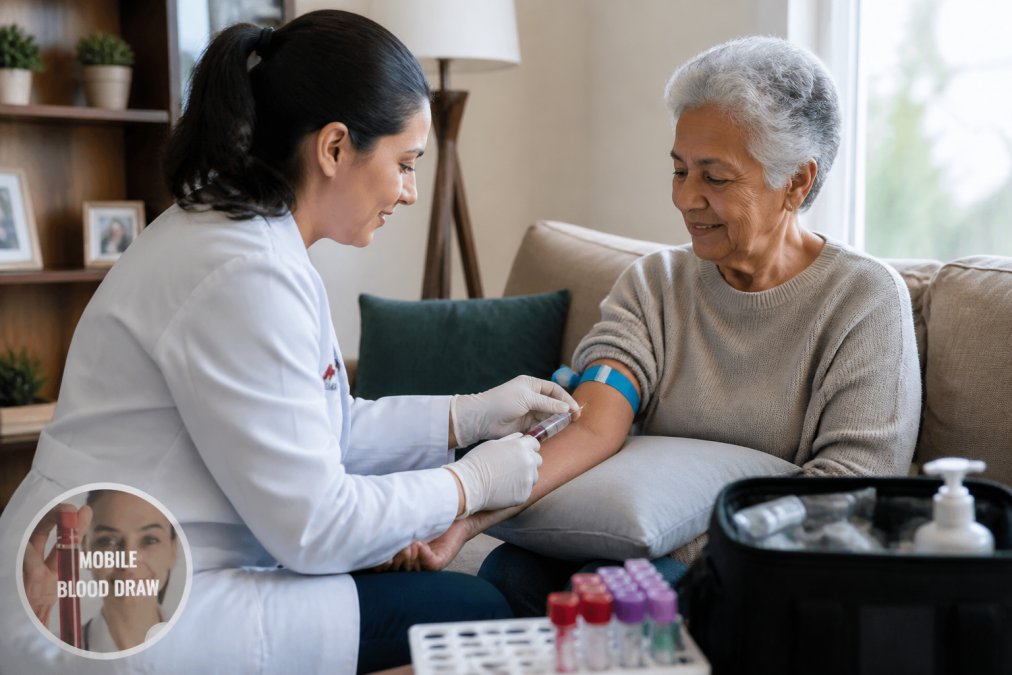
When a certified phlebotomist comes to your home, you remain in a controlled environment where you know every step and potential hazard. You’re not navigating unfamiliar corridors or managing transportation logistics. For patients with balance issues, arthritis, or recent surgery, this difference is substantial.
Infection control in a familiar setting. Hospitals and clinics are high-traffic environments where patients are exposed to various pathogens. Elderly patients often have compromised immune systems due to age, medications, or underlying conditions. By receiving phlebotomy services at home, seniors minimize exposure to hospital-acquired infections while still receiving professional, sterile specimen collection. A certified phlebotomist follows strict infection control protocols without the exposure risk of a clinical facility.
Phlebotomy Best Practices for Geriatric Patients
Drawing blood from elderly patients requires specific knowledge and technique that differs from standard phlebotomy. Geriatric patients often have fragile veins, thin skin, and medical complexities that demand specialized skill.
Vein assessment and technique adjustments. Elderly patients frequently have veins that are smaller, more fragile, or less prominent than those of younger adults. A skilled phlebotomist assesses vein accessibility before attempting a draw, sometimes using warm compresses or gentle positioning to improve vein visibility. They may select smaller gauge needles or adjust insertion angles to minimize tissue trauma, reducing bruising and patient discomfort.
Managing medications and medical conditions. Many elderly patients take anticoagulants, corticosteroids, or other medications that affect bleeding or bruising. A certified phlebotomist trained in geriatric phlebotomy knows which medications require special attention, how long to apply pressure after the draw, and when additional precautions are necessary.
Communication and reassurance. A professional explains what they’re doing, why, and what the patient should expect. For seniors with hearing loss, cognitive changes, or anxiety, this patient-centered approach builds trust and cooperation while allowing the phlebotomist to identify concerns before they become problems.
How to Properly Store Blood Samples Before Lab Transport
Once blood is drawn, proper storage becomes critical. The integrity of your specimen directly affects the accuracy of your lab results. A certified phlebotomist understands these requirements and ensures proper handling from the moment the needle is withdrawn.
Temperature control and timing. Most blood samples must be transported to the laboratory within 24 hours (peer-reviewed research). Temperature control is equally important. Most samples are stored at room temperature, but certain tests require refrigeration or protection from light. A professional phlebotomist transporting your specimen knows exactly which conditions your specific tests require and maintains them throughout transport, preventing hemolysis or bacterial overgrowth.
Specimen labeling and chain of custody. Each sample must be labeled with your name, date of birth, collection time, and the tests being performed. A certified phlebotomist maintains this chain of custody meticulously, protecting both accuracy and privacy.
Transportation containers and safety. Blood samples are transported in specialized containers designed to maintain proper temperature, protect against spillage, and comply with biohazard shipping regulations. Professional services use approved transportation methods that ensure your specimen arrives at the laboratory in optimal condition.
Medicare Coverage for Home Blood Draws
Understanding Medicare coverage for home blood draws is essential for seniors on fixed incomes. Medicare Part B covers laboratory services, including phlebotomy and specimen collection, when ordered by a physician and performed by a certified phlebotomist.
Medicare typically covers blood draws ordered as part of diagnostic testing for a covered medical condition. For home-based phlebotomy services, coverage can vary. Some Medicare Advantage plans include coverage for in-home services as part of their additional benefits. Original Medicare coverage for at-home specimen collection depends on whether the service is billed as part of a covered diagnostic test ordered by your physician.
To verify your specific coverage, contact your Medicare plan directly or speak with your physician’s office. Phlebotomy Experts can often verify your coverage before your appointment, ensuring you understand your out-of-pocket costs upfront.
What to Expect: A Patient and Caregiver Preparation Checklist
Preparing for a mobile phlebotomy appointment ensures a smooth, efficient experience.
Before the appointment:
- Confirm the appointment date, time, and location with the phlebotomist
- Ask your physician if fasting is required for your specific tests (typically 8-12 hours before the draw)
- Continue taking all regular medications unless your physician instructs otherwise
- Wear loose-fitting clothing with sleeves that can be rolled up easily for arm access
- Ensure adequate lighting in the room where the phlebotomist will work
- Have a comfortable, sturdy chair or bed available where you can sit or recline during the draw
- Gather any insurance cards, identification, and a list of current medications
- If you have a history of difficult veins or needle anxiety, mention this when scheduling
During the appointment:
- Greet the phlebotomist and verify their credentials (look for a current certification badge)
- Confirm your name, date of birth, and the tests being performed
- Inform the phlebotomist of any medications, allergies, or medical conditions that might affect the draw
- Relax and keep your arm extended and still during the collection
After the appointment:
- Keep pressure on the site if there’s any bleeding
- Avoid strenuous activity for the rest of the day
- Drink extra fluids to help your body recover
- Watch for any unusual bruising, swelling, or infection at the puncture site
- Ask when and how you’ll receive your lab results
Choosing a Certified Phlebotomist and Verifying Credentials
Not all phlebotomists are equally qualified. Choosing a certified professional and verifying their credentials protects both your safety and the accuracy of your results.
Certification standards. A certified phlebotomist has completed formal training, passed a comprehensive examination, and maintains current certification through an accredited organization. The primary certifying bodies in the United States are the American Society for Clinical Pathology (ASCP), the National Credentialing Agency for Laboratory Personnel (NCA), and the American Certification Agency (ACA).
What to ask before booking. When contacting a mobile phlebotomy service, ask directly: “Are your phlebotomists certified? Which organization certifies them? Can you provide proof of current certification?” A reputable service like Phlebotomy Experts will provide this information readily and discuss their technicians’ experience with specialized training such as geriatric care or difficult vein management.
Verifying credentials independently. You can verify a phlebotomist’s certification status through the certifying organization’s website. Most organizations maintain a searchable database where you can enter the phlebotomist’s name and confirmation number to confirm current certification status.
Experience with your specific needs. Beyond certification, ask about experience relevant to your situation. If you’re an elderly patient with difficult veins, ask if the phlebotomist has specialized training in geriatric phlebotomy. If you have needle phobia, ask about techniques they use to make the experience more comfortable.
Pro Tip
When verifying a phlebotomist’s credentials, ask about their experience with your specific situation, whether that’s geriatric care, difficult veins, needle phobia, or work in specialized settings like skilled nursing facilities. Certification confirms baseline competence; experience confirms they can handle your unique needs.
When verifying a phlebotomist’s credentials, ask about their experience with your specific situation, whether that’s geriatric care, difficult veins, needle phobia, or work in specialized settings like skilled nursing facilities. Certification confirms baseline competence; experience confirms they can handle your unique needs.
Frequently Asked Questions
Does Medicare cover mobile phlebotomy or home blood draw fees?
Medicare may cover the cost of blood draws and lab work when ordered by your physician as medically necessary, regardless of where the draw occurs. However, coverage depends on your specific Medicare plan, the type of test, and whether the provider is Medicare-enrolled. Contact your Medicare plan or call 1-800-MEDICARE to confirm coverage for mobile phlebotomy services before scheduling. Some plans may require prior authorization.
What qualifications should I look for in a mobile phlebotomy provider?
Verify that technicians are licensed, certified phlebotomists with current credentials from organizations like the American Society for Clinical Pathology (ASCP) or equivalent. Ask about their experience with geriatric patients and difficult veins. A reputable provider like Phlebotomy Experts will provide credentials upon request and explain their infection control and specimen handling protocols upfront.
How do mobile phlebotomists ensure the safety of blood samples during transport?
Professional mobile phlebotomists follow strict specimen collection and transport standards. Samples are placed in sterile, properly labeled tubes, kept at appropriate temperatures, and delivered to the laboratory promptly to maintain sample integrity. Certified providers use insulated transport containers and track delivery times to prevent degradation. Ask your provider about their specific transport protocols and how quickly samples reach the lab after collection.
Is mobile phlebotomy available for patients in assisted living facilities and skilled nursing facilities?
Yes, many mobile phlebotomy services, including Phlebotomy Experts, provide on-site specimen collection for multiple residents in senior living communities, skilled nursing facilities, and assisted living environments. This streamlines healthcare coordination for facility staff and improves convenience for residents. Contact your preferred provider to discuss scheduling for facility-wide routine blood work or individual patient needs.
This article was written using GrandRanker

Related Posts