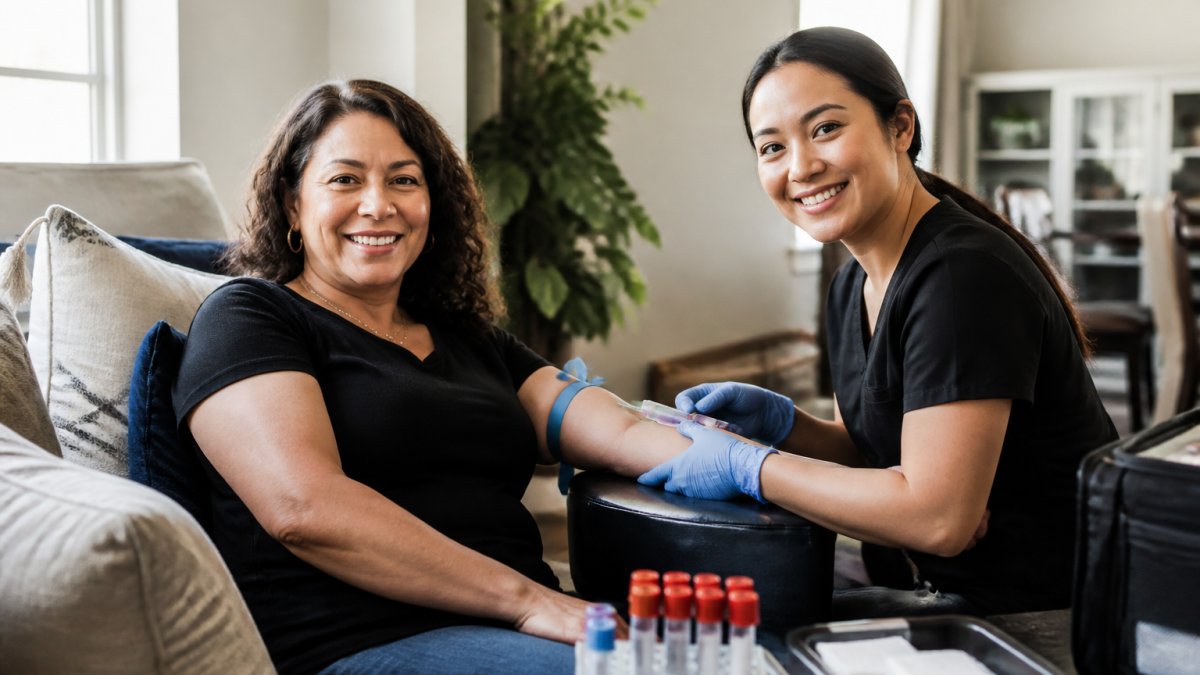
Breaking down the cost of in home blood draws: collection fees, lab charges, insurance, and what you actually pay out-of-pocket.

Early DNA Gender Testing Accuracy: What to Know
Table of Contents
- How Early DNA Gender Testing Works
- 6 Week Gender Blood Test Accuracy Explained
- At-Home Gender Test vs Clinical Blood Draw
- Key Factors Affecting Gender Test Results
- What to Do If Results Are Inconclusive
- The Psychological Impact of False Results
- Conclusion
- Frequently Asked Questions
Last Updated: September 4, 2026
Expectant parents researching early dna gender testing accuracy often encounter conflicting claims, with some providers advertising results as early as 6 weeks while others caution about reliability. At Phlebotomy Experts, we perform these draws daily, and the honest answer is that accuracy depends less on the laboratory technology and more on when and how the sample is collected.
The science is genuinely remarkable, but it has limits that marketing rarely mentions. The accuracy of any dna gender testing result hinges on the concentration of fetal DNA in your blood, which rises predictably with gestational age.
How Early DNA Gender Testing Works
Early dna gender testing relies on detecting male genetic material in a maternal blood sample. During pregnancy, small fragments of placental DNA, known as cell-free fetal DNA (cffDNA), circulate in the mother’s bloodstream. If the fetus is male, these fragments contain Y chromosomes, and laboratory analysis using methods like quantitative polymerase chain reaction (qPCR) can detect their presence with high sensitivity.
A maternal blood sample is collected, the fetal fraction is isolated, and technicians scan for Y-chromosome markers. Finding them indicates a male fetus; their absence suggests female. This is why the test is classified as non-invasive prenatal screening (NIPS) rather than a diagnostic procedure.
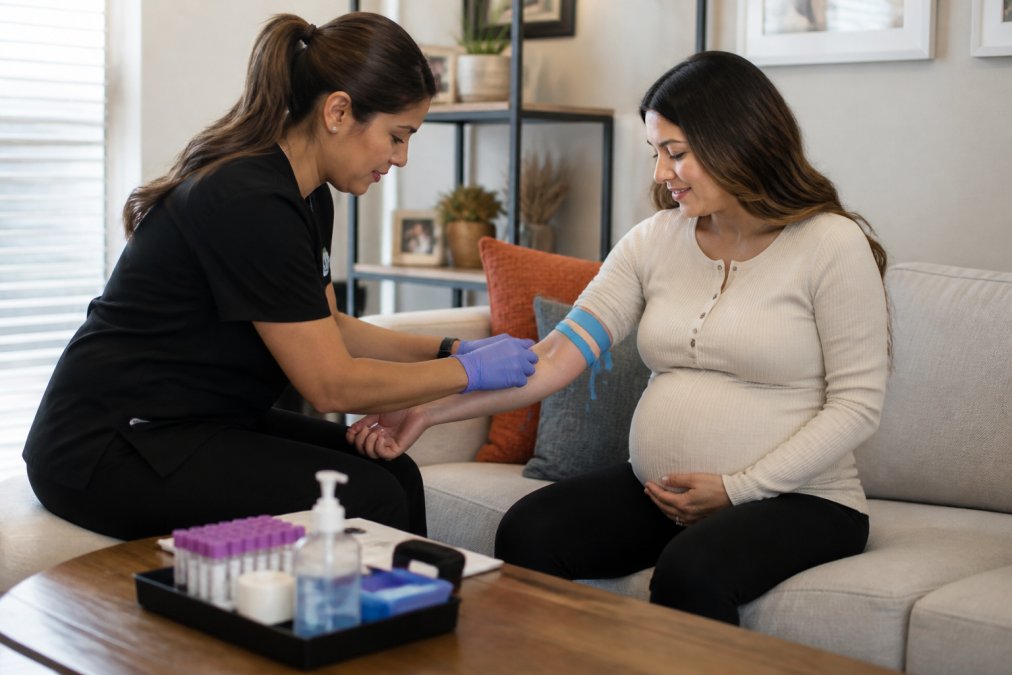
The critical variable is the fetal fraction, the percentage of cell-free DNA in the sample that comes from the placenta. Early in pregnancy, this fraction is small, which directly impacts test reliability.
The Biological Mechanism in Detail
The placenta continuously releases apoptotic (dying) trophoblast cells into the maternal circulation. These cells fragment, releasing short DNA strands, typically 150 to 200 base pairs in length, into the plasma. The concentration of this cffDNA rises predictably as the placenta grows and the uteroplacental circulation becomes more established. By 10 weeks of gestation, the fetal fraction typically reaches 10 to 15 percent of the total cell-free DNA in the maternal bloodstream, though this varies widely among individuals (peer-reviewed research).
Laboratories use two main approaches to detect Y-chromosome sequences. The first, qPCR, amplifies specific genetic markers such as the SRY gene or DYS14 sequence. The second, next-generation sequencing (NGS), reads millions of DNA fragments and counts the proportion of Y-chromosome reads. NGS is more expensive but can also screen for chromosomal abnormalities, which is why it is the platform used by most NIPT providers. qPCR is cheaper and faster, making it the standard for dedicated gender-testing kits.
Regulatory Status and Medical Oversight
A critical distinction that most commercial pages omit is the regulatory difference between test types. The FDA has cleared certain NIPT platforms as laboratory-developed tests, but many consumer-grade gender prediction kits are marketed under enforcement discretion for laboratory-developed tests (LDTs), meaning they have not undergone the same premarket review as diagnostic devices. The ACMG emphasizes that cell-free DNA screening should be performed in a CLIA-certified laboratory and ordered by a licensed healthcare provider.
This regulatory gap matters for accuracy. A CLIA-certified clinical laboratory must adhere to rigorous quality control standards, including proficiency testing and validated assay thresholds. Direct-to-consumer kits may be processed in labs that meet these standards, but the lack of a clinical order means there is no healthcare professional to interpret the result in context. The FDA has not cleared any at-home, self-collected blood test for fetal sex determination (the FDA).
Why the Distinction Between Screening and Diagnostic Matters
Screening tests estimate risk or probability; diagnostic tests provide a definitive answer. A positive Y-chromosome signal is highly predictive of a male fetus, but a negative signal does not definitively rule out a male fetus, especially when the fetal fraction is low. This asymmetry is why professional medical societies recommend confirmatory testing before making irreversible decisions.
6 Week Gender Blood Test Accuracy Explained
The 6 week gender blood test accuracy claim requires careful scrutiny. While some laboratories can detect Y-chromosome sequences at this stage, the fetal fraction often sits below the threshold needed for confident results. Published validation data for most clinical assays shows optimal sensitivity and specificity closer to 9 or 10 weeks.
A test performed too early risks a false negative, where male genetic material goes undetected, because the concentration is simply too low. False positives are less common but can occur from contamination. ACOG recommends waiting until 10 weeks for cell-free DNA screening to ensure adequate fetal fraction.
Watch Out
A negative result for Y-chromosome material at 6 weeks does not reliably confirm a female fetus. If you test this early and receive a female result, a confirmatory test at 10 weeks is strongly advised before making any decisions.
A negative result for Y-chromosome material at 6 weeks does not reliably confirm a female fetus. If you test this early and receive a female result, a confirmatory test at 10 weeks is strongly advised before making any decisions.
At-Home Gender Test vs Clinical Blood Draw
Choosing between an at-home gender test and a clinical blood draw is a decision about sample integrity. Home-based kits require you to prick your finger and collect blood on a card, which introduces significant contamination risks and often yields insufficient DNA. Clinical blood draws by a licensed phlebotomist collect a larger venous sample with a higher volume of circulating fetal DNA.
| Testing Method | Sample Type | Primary Risk | Best For |
|---|---|---|---|
| At-Home Finger Prick | Capillary blood on card | Contamination, low DNA yield | Curiosity, early screening |
| Clinical Blood Draw | Venous whole blood | Minimal if properly handled | Confident, decision-grade results |
A venous draw in a clinical setting ensures the sample reaches the laboratory intact, whereas mailed cards can degrade in transit. For expectant parents seeking a definitive answer, the clinical route offers demonstrably higher test reliability.
Key Factors Affecting Gender Test Results
Several biological and procedural variables determine whether your results will be accurate. Understanding these factors helps you time your test correctly and interpret results with appropriate confidence.
Gestational Age and Fetal DNA Concentration
Gestational age is the single most important factor. Fetal DNA concentration increases steadily through the first trimester, and most clinical assays require a minimum fetal fraction of 3.5 to 4 percent for confident reporting. Testing before this threshold invites false results.
A common pattern is that fetal fraction rises approximately 0.1 percent per day between 7 and 13 weeks. However, this rate is not uniform across all pregnancies. Maternal body mass index (BMI) is a significant modifier: women with a higher BMI tend to have a larger total blood volume and a higher proportion of maternal DNA, which dilutes the fetal fraction. A 2020 study published in Prenatal Diagnosis found that for every 1 kg/m² increase in maternal BMI, the fetal fraction decreased by approximately 0.1 percent. This means a woman with a BMI of 30 may need to wait an additional week or more to reach the same fetal fraction as a woman with a BMI of 22.
Contamination Risks in Home Environments: The Hidden False-Positive Trap
Sample contamination is the hidden enemy of at-home collection and the most under-reported cause of inaccurate results. If any male DNA, not fetal DNA, contaminates the sample, the laboratory will detect Y-chromosome sequences and report a male result. This is a false positive that has nothing to do with the fetus.
Here are the specific contamination vectors that most commercial pages gloss over:
- Male partners and children: Skin cells shed from a male partner’s hands, or even from a child sitting on your lap, can transfer to the finger-prick site. The instructions on most kits tell you to wash your hands, but they rarely warn you about touching your partner or a male child after washing.
- Household pets: Male dogs and cats carry Y chromosomes. Their dander and saliva can be present on surfaces, clothing, and furniture. If you pet a male dog and then handle the collection card, you risk contamination.
- Environmental DNA: DNA is remarkably stable in the environment. Dust containing shed skin cells from any male who has been in your home, a repair person, a visitor, a mail carrier, can settle on surfaces. The collection card and lancet are sterile, but the moment you open them, they are exposed to the ambient air.
- The mail itself: After you place the sample in the provided envelope, it travels through the postal system. The exterior of the envelope is handled by dozens of people, and if the inner seal is not perfect, contamination can occur during transit.
A clinical blood draw eliminates most of these variables because the sample is collected sterilely using a closed vacuum tube system and transported directly to the laboratory. The blood goes directly from the vein into a sealed tube that is never opened until it reaches the lab.
Twin Pregnancies: Why Accuracy Drops Significantly
Twin pregnancies introduce complexity that many guides overlook, and the accuracy statistics quoted by manufacturers are almost always derived from singleton pregnancies. In a twin pregnancy, the test detects the presence of any Y-chromosome material in the maternal blood, creating a fundamental asymmetry:
- If the result is male, it means at least one fetus is male. It cannot tell you whether both are male or whether one is male and one is female.
- If the result is female, it means no Y-chromosome material was detected, which is only reliable if both twins are female. However, the fetal fraction in a twin pregnancy is not simply doubled. Each placenta contributes its own cell-free DNA, and the combined fraction can be higher, but the individual contribution from each twin may be lower than the threshold needed for confident detection.
There is also the vanishing twin phenomenon, where one fetus is absorbed early in pregnancy, often before the mother even knows she was carrying twins. If the vanishing twin was male, its residual DNA can persist in the maternal bloodstream for weeks, leading to a false male result. A 2012 case report in the Journal of Obstetrics and Gynaecology Canada documented a false male result at 8 weeks that was later traced to a vanishing male twin. The residual Y-chromosome DNA was detectable for up to 8 weeks after the loss.
For twin pregnancies, most maternal-fetal medicine specialists recommend waiting until at least 11 or 12 weeks to test, and they caution that a male result should not be used to make decisions about selective reduction or other medical interventions without ultrasound confirmation.
What to Do If Results Are Inconclusive
An inconclusive result is frustrating but not uncommon, particularly with early testing. When a laboratory cannot achieve sufficient fetal fraction, they will report that no result could be determined rather than risk an incorrect answer. This is a sign of a responsible laboratory, not a failed test.
Your best course of action is to wait one to two weeks and retest. Fetal fraction rises approximately 0.1 percent per day in the first trimester, so a brief delay often resolves the issue. If a second test remains inconclusive, consult your prenatal care provider about alternatives.
Key Takeaway
An inconclusive result does not indicate a problem with your pregnancy. It indicates the fetal DNA concentration was too low for confident analysis. Waiting and retesting is the standard, medically appropriate response.
An inconclusive result does not indicate a problem with your pregnancy. It indicates the fetal DNA concentration was too low for confident analysis. Waiting and retesting is the standard, medically appropriate response.
The Psychological Impact of False Results
The emotional weight of a wrong gender prediction is rarely discussed, yet it can be significant. Parents who bond with an expected gender, announce it to family, or purchase items based on the result may experience genuine distress when a later ultrasound contradicts the test.
False results also erode trust in prenatal screening generally, which can make parents hesitant about recommended diagnostic testing later in pregnancy. The psychological impact extends beyond disappointment, which is why clinicians emphasize waiting until the fetal fraction is adequate. The American College of Obstetricians and Gynecologists guidance on prenatal screening recommends against making irreversible decisions based solely on early screening results without confirmation.
For families with a history of sex-linked genetic disorders, the stakes are even higher. The gender result is not about nursery colors but about medical management, and confirmatory diagnostic testing is essential before any clinical action.
Conclusion
Early dna gender testing offers an exciting glimpse into your baby’s biology, but accuracy is contingent on timing, collection method, and biological factors beyond your control. The most reliable approach is a clinical blood draw performed after 9 weeks, when fetal DNA concentration supports confident analysis. For expectant parents in Southern California, Austin, or Las Vegas, Phlebotomy Experts brings licensed, experienced phlebotomists to your home, ensuring your sample is collected properly and delivered promptly to your preferred laboratory.
Frequently Asked Questions
Can an early gender blood test be wrong?
Yes, an early DNA gender test can be wrong, though the technology is highly accurate when conditions are ideal. Results depend on the test being performed at the correct gestational age, typically after 7 weeks, and on the sample containing enough fetal DNA. Errors are more often due to contamination or testing too early than to laboratory mistakes. A false positive for male DNA can occur if the sample is contaminated, while low fetal DNA can lead to a false negative or an inconclusive result.
How accurate is a 6 week gender blood test?
A 6 week gender blood test can be less accurate than tests done later because fetal DNA concentration in the mother’s blood is still very low at that point. If the sample does not contain enough fetal DNA, the lab may not be able to provide a result or may return an inaccurate one. Most providers recommend waiting until at least 7 to 8 weeks to improve the chances of a reliable result. Always confirm the recommended testing window with your provider.
What is the difference between at-home gender tests and NIPT?
At-home gender tests are designed to determine fetal sex by analyzing a small blood sample you collect yourself and mail to a lab. NIPT, or non-invasive prenatal testing, is a screening test ordered by a doctor that also uses a maternal blood sample but screens for chromosomal conditions in addition to identifying fetal sex. NIPT is performed in a clinical setting and is subject to stricter laboratory standards. Both methods analyze cell-free fetal DNA, but clinical draws reduce contamination risks.
Does maternal DNA contamination affect gender test results?
Yes, sample contamination is a primary reason for inaccurate results in early DNA gender testing. If a sample is contaminated, it may contain DNA from another person or from the environment, which can interfere with the analysis. For example, contamination with male DNA from a partner or even a male pet can lead to a false male result. Clinical blood draws performed by a licensed phlebotomist use sterile, sealed tubes and strict protocols to minimize this risk.
Deciding when and how to test for fetal sex should be based on evidence, not marketing. Phlebotomy Experts offers in-home blood draws by licensed technicians with a gentle bedside manner, specialized care for infants and children, and prompt delivery of specimens to the laboratory of your choice. Call now to schedule your appointment and get answers you can trust.
This article was written using GrandRanker

Related Posts