Breaking down the cost of in home blood draws: collection fees, lab charges, insurance, and what you actually pay out-of-pocket.
Onsite Phlebotomy Solutions Alternative: 5 Top Picks
Table of Contents
- Why Patients and Facilities Look for an Onsite Phlebotomy Solutions Alternative
- Top Mobile Phlebotomy Services to Compare in 2026
- In-Home Blood Draw Service vs. Traditional Lab Visits
- What Affects Mobile Phlebotomy Cost
- Specimen Handling, Processing, and Chain of Custody
- Eligibility, Test Compatibility, and Clinical Limits
- Service Areas and Availability: Nationwide vs. Regional Coverage
- How to Choose the Right Alternative for Your Needs
- Frequently Asked Questions
Last Updated: October 5, 2026
Why Patients and Facilities Look for an Onsite Phlebotomy Solutions Alternative
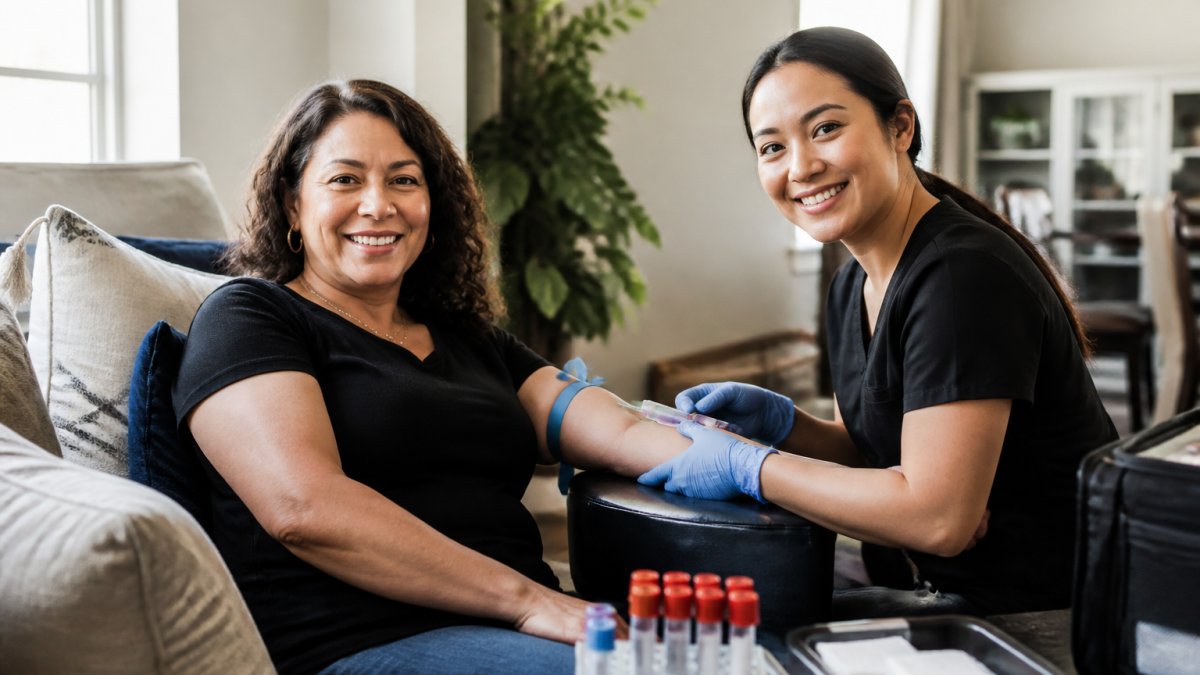
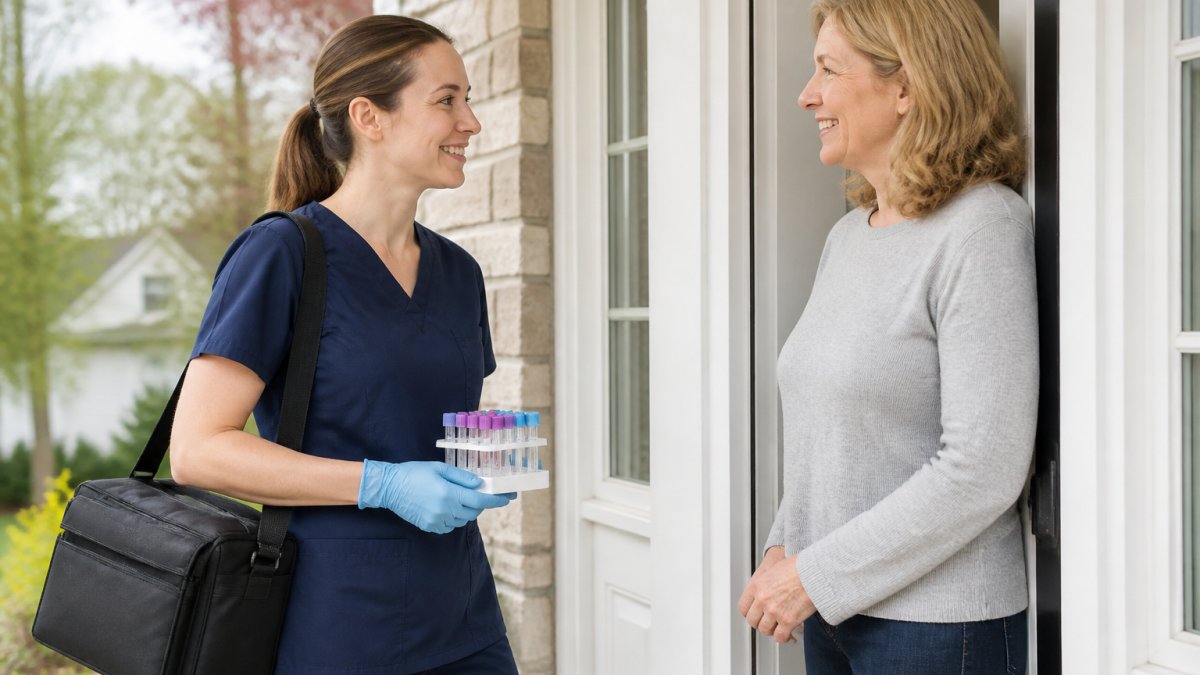
An onsite phlebotomy solutions alternative is a mobile or at-home blood draw service that sends a licensed phlebotomist to your location instead of requiring you to travel to a lab.
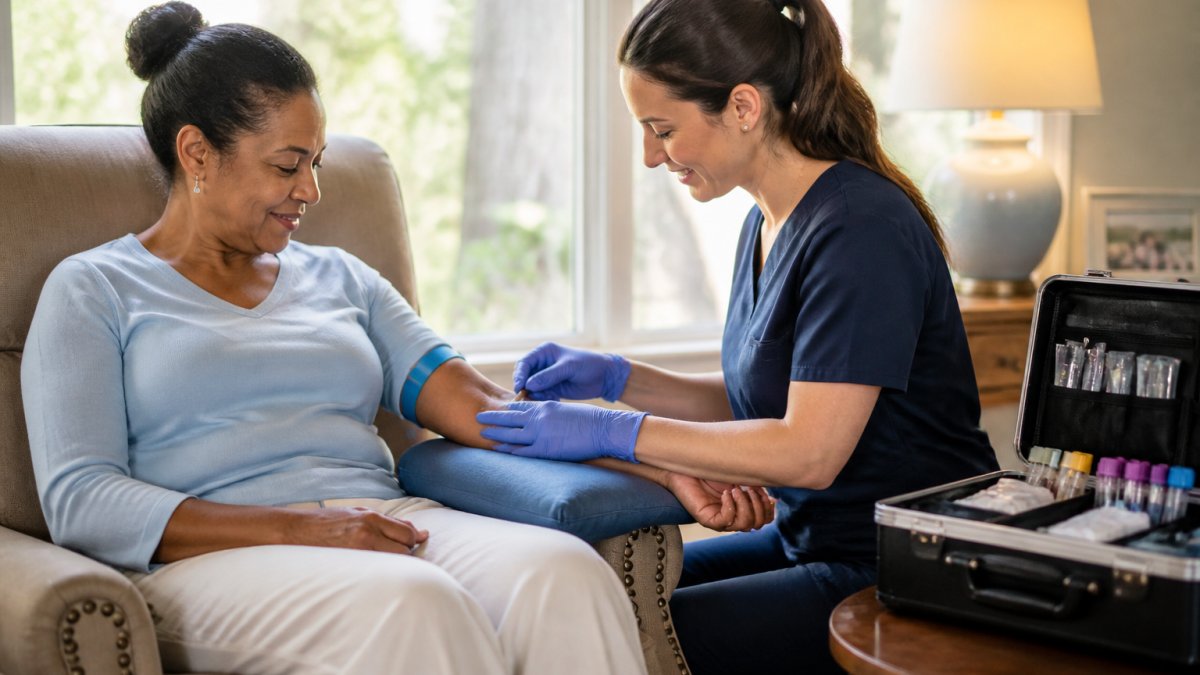
Convenience and Comfort Drive the Switch
The biggest driver is logistics.
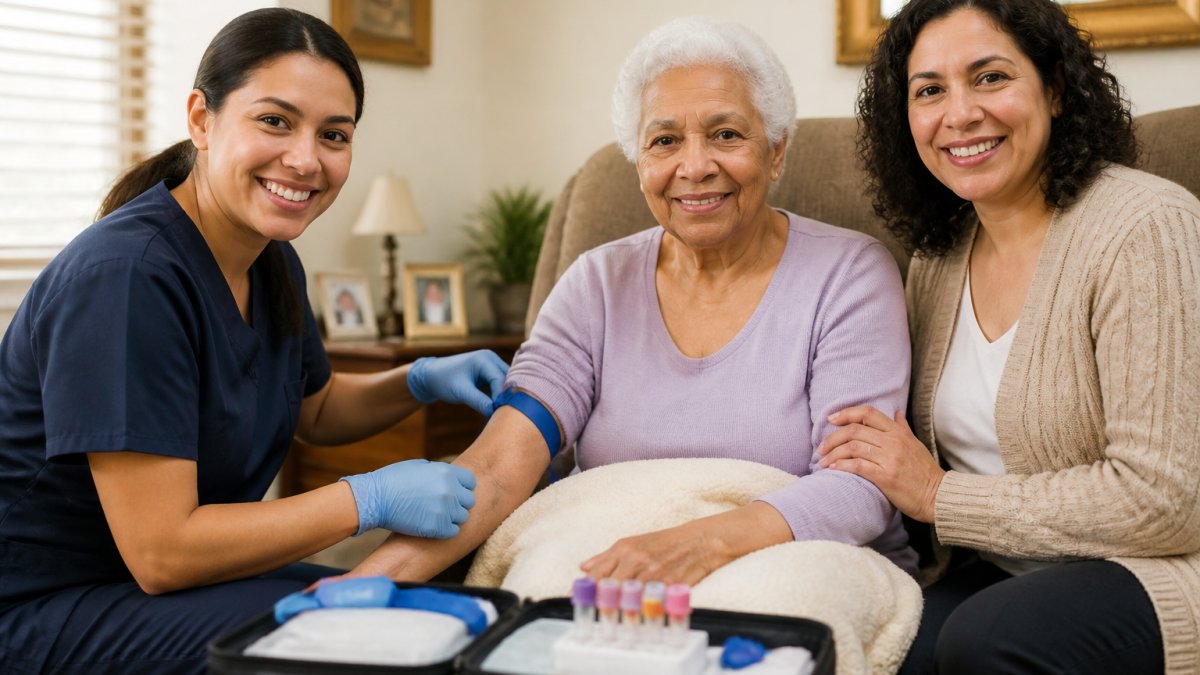
Facilities face the same problem at scale. Nursing homes and assisted living communities need routine labs for multiple residents, and coordinating transport for each person is slow and disruptive.
Comfort matters too. Patients with needle phobia or difficult veins often do better with a single experienced phlebotomist than a rotating lab counter, and many say the calm, unhurried setting of home makes the draw easier.
What the Alternatives Actually Provide
Most alternatives to onsite phlebotomy fall into three buckets: in-home mobile phlebotomy, concierge lab services, and facility-based collection programs.
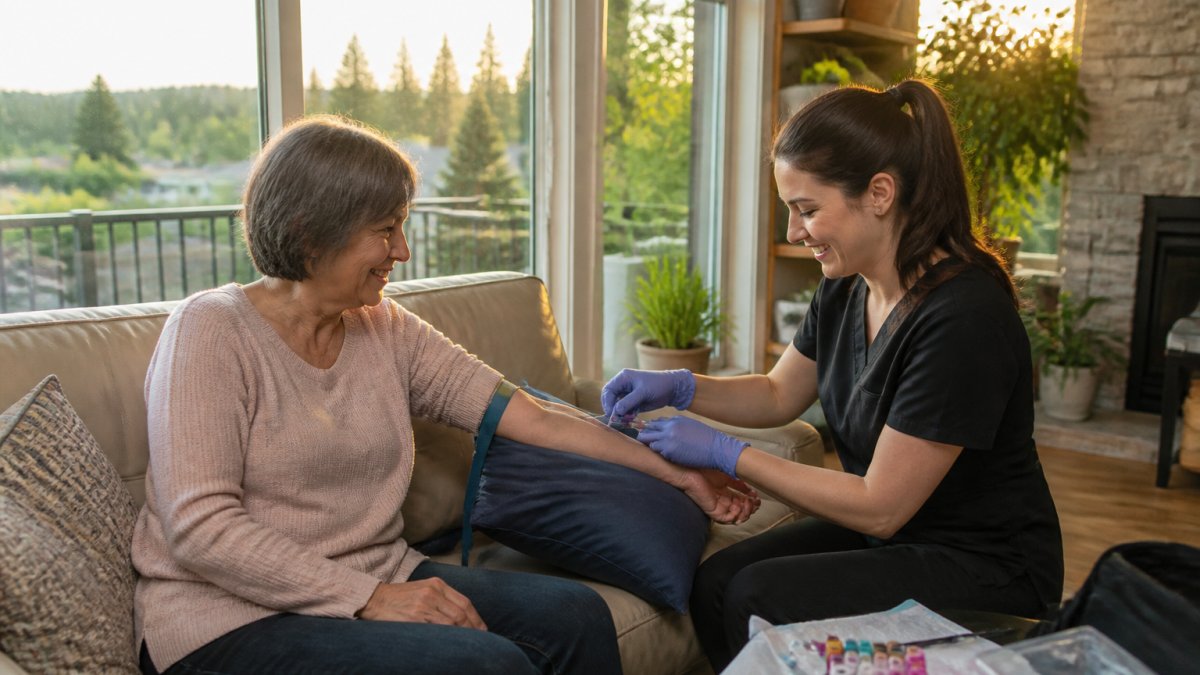
- In-home mobile phlebotomy: A licensed phlebotomist comes to your home or office, draws the specimen, and delivers it to the lab of your choice.
- Concierge lab services: Similar to mobile phlebotomy, but often includes extras like DNA gender testing, IV vitamin therapy, or specialized specimen handling.
- Facility-based collection: Scheduled visits to nursing homes, assisted living centers, or corporate offices for group specimen collection.
The right fit depends on your location, test order, and how often you need draws.
Top Mobile Phlebotomy Services to Compare in 2026
Several services now offer a mobile phlebotomy alternative to traditional lab visits. The comparison below focuses on what each one actually does, not marketing claims. Because coverage, pricing, and test menus change, verify current details with each provider before booking.
Side-by-Side Comparison
| Service | Best For | Service Settings | Test Menu Focus | Coverage Model | Specimen Handling |
|---|---|---|---|---|---|
| Phlebotomy Experts | In-home and concierge care | Homes, offices, facilities | Standard labs plus DNA gender testing, IV vitamin therapy, autologous serum eye drops | Regional to nationwide network | Delivers to the lab or hospital you choose |
| OnDemand Mobile Lab | Therapeutic phlebotomy | Homes, offices, care facilities | Therapeutic phlebotomy | Verify by address | Standard transport to lab |
| Caresticks | Collection, processing, shipping | Depends on order | General specimen pipeline | Verify by address | Full collection, processing, and shipping pipeline |
How to Read This Table
The columns are the criteria that actually change your experience:
- Best for tells you the use case each service is built around, a therapeutic phlebotomy patient and a DNA-testing patient need different providers.
- Service settings tells you where the draw can happen, home, office, or a care facility with multiple residents.
- Test menu focus tells you whether the provider handles only routine draws or also specialized collections.
Phlebotomy Experts: In-Home and Concierge Care
The service sends licensed phlebotomists to your home or office and handles more than a basic blood draw, including DNA gender testing, IV vitamin therapy, and autologous serum eye drops alongside standard lab work.
What sets the service apart is the specimen delivery model: we deliver your samples to the laboratory or hospital you choose. Specialized care for infants and children is also part of the offering.
The concierge approach also helps patients with needle phobia or difficult veins.
OnDemand Mobile Lab: Therapeutic Phlebotomy Focus
OnDemand Mobile Lab centers on therapeutic phlebotomy, the scheduled removal of blood used to manage certain conditions. It serves homes, offices, and care facilities, making it flexible for recurring appointments.
If your physician has ordered therapeutic phlebotomy, this service is worth a look.
Where it fits best: recurring therapeutic phlebotomy patients who value a provider that specializes in that one procedure. Where it may not fit: patients who want a single provider for a mixed menu of routine and specialized tests.
Caresticks: Collection, Processing, and Shipping
Caresticks handles the full specimen pipeline: collection, processing, and shipping. The service page states it works with all laboratories and physician orders, useful if your doctor has a specific lab in mind.
This model suits patients and facilities that care most about chain of custody and turnaround. The limitation: service locations and pricing are unspecified, so confirm coverage before booking.
Criteria That Separate These Providers
Beyond the table, four criteria do most of the work in a real decision:
- Coverage and availability. Confirm the provider serves your exact address and can schedule within your window. Nationwide networks reach more places but can have longer lead times in smaller markets; regional operators often book faster and send the same phlebotomist for recurring draws.
- Test compatibility. Routine panels and therapeutic phlebotomy are commonly supported; certain oncology, genetic, and specialized panels may require a specific collection protocol or a draw site with specialized handling. Ask the provider to check your order against their capabilities before scheduling.
- Specimen handling and chain of custody. Ask how samples are labeled, transported, and delivered, and how quickly they reach the lab. Same-day local delivery and overnight shipping are both common; the right answer depends on the test’s stability requirements.
- Cost transparency. Get the collection fee, travel fee, lab processing estimate, and any add-ons in writing. A provider who will itemize is easier to compare than one who quotes a single figure.
Key Takeaway
Match the provider to your pattern of need. One-time DNA testing, recurring therapeutic phlebotomy, and facility-wide routine labs each call for different coverage, test-menu, and scheduling strengths, and the cheapest quote is rarely the best fit for all three.
Match the provider to your pattern of need. One-time DNA testing, recurring therapeutic phlebotomy, and facility-wide routine labs each call for different coverage, test-menu, and scheduling strengths, and the cheapest quote is rarely the best fit for all three.
How to Verify a Provider Before Booking
A short verification checklist saves a wasted appointment:
- Confirm the provider serves your address and can schedule within your timeframe
- Verify they support your specific test order, including any specialized handling
- Get a clear breakdown of the mobile fee, any travel charges, and insurance handling
If you want a provider that handles in-home draws, concierge services like DNA gender testing, and delivery to the lab of your choice, Phlebotomy Experts is built for exactly that. Our licensed phlebotomists bring the draw to you.
In-Home Blood Draw Service vs. Traditional Lab Visits
An in-home blood draw service trades the lab waiting room for your own space. The phlebotomist brings supplies, performs the draw, labels specimens, and arranges delivery to the lab.
Traditional lab visits still make sense if you live close to a draw site, need same-day STAT results, or your insurance only covers a specific lab. Mobile services shine when travel is hard, when you need multiple draws over time, or when comfort and privacy matter most.
For facilities, the math is different again: one mobile visit can cover several residents, reducing transport costs and staff time compared with sending each person out individually.
What Affects Mobile Phlebotomy Cost
Mobile phlebotomy cost is the biggest question readers ask and the one most provider pages dodge. A mobile draw is priced in layers, and understanding those layers lets you compare quotes instead of guessing.
The Four Cost Layers
Almost every mobile phlebotomy bill breaks into the same parts:
- The draw or collection fee. The phlebotomist’s time and skill, usually a flat rate per visit and the number most providers quote first.
- The travel or trip fee. Some providers fold distance into the flat rate; others add a per-mile or per-trip charge outside a core service radius. A dense metro address and a rural address an hour out are not the same job.
- The lab processing fee. Billed by the laboratory that runs the test, not the phlebotomist. This is the layer patients most often miss, because it arrives on a separate statement.
A quote that only covers layer one is not a quote. Ask for all four in writing before you book.
Typical Price Ranges and What Moves Them
Exact pricing varies by market, but the pattern is consistent enough to plan around.
What pushes a quote up:
- Distance and density. Rural and exurban addresses cost more to service than a city block with three stops.
- Timing. Same-day, evening, weekend, and holiday windows usually carry a premium over standard weekday appointments.
- Test complexity. A single tube for a basic panel is a different job than a multi-tube draw with special handling, cold-chain requirements, or timed collection.
What can push a quote down: recurring scheduled visits, bundled facility contracts, and self-pay arrangements where no insurance paperwork is involved.
Insurance, Self-Pay, and the Two-Bill Problem
Insurance coverage for a mobile draw depends on your plan and whether the test is medically necessary.
That creates the two-bill problem: one statement from the mobile provider for the visit, and a separate statement from the laboratory for the test. Patients who expect a single all-in price are the ones most often surprised.
Before booking, ask three questions:
- Does the provider bill insurance directly, or do you pay upfront and seek reimbursement?
- Is the mobile fee separate from the lab processing fee, and roughly what does each run?
- If you are paying cash, is there a self-pay rate that is lower than the billed rate?
Pro Tip
Ask whether the mobile fee is separate from the lab processing fee. Many patients assume one price covers everything and are surprised when the lab bills separately for the test itself.
Ask whether the mobile fee is separate from the lab processing fee. Many patients assume one price covers everything and are surprised when the lab bills separately for the test itself.
How to Compare Quotes Apples to Apples
Two quotes that look different may be the same, or two that look the same may differ by hundreds once the lab bills. Normalize them by asking each provider for the same four numbers: collection fee, travel fee, lab processing estimate, and add-on charges. Then confirm who bills what. A provider who puts all four in writing is easier to compare, and usually easier to trust, than one who quotes a single vague figure.
Watch Out
Get the full four-layer breakdown in writing before you commit, or the final bill may not match the quote.
Get the full four-layer breakdown in writing before you commit, or the final bill may not match the quote.
Payment Options to Expect
Most mobile providers accept major credit cards and offer self-pay rates. Some bill insurance directly for covered tests; others require upfront payment with a receipt you submit yourself. Facilities often work on invoiced accounts with net terms. If you need a specific arrangement, direct billing, purchase order, or recurring invoice, raise it before the first visit.
Specimen Handling, Processing, and Chain of Custody
Specimen handling is where cheap mobile services cut corners, and it is the part patients cannot see.
Chain of custody matters most for legal, employment, and specialized testing. If a specimen cannot be traced from draw to lab, results can be challenged or voided.
Ask any provider how they transport samples and how quickly they reach the lab.
Watch Out
A specimen that sits too long or gets too warm can be rejected by the lab. That means a second draw, a second appointment, and a delayed diagnosis. Confirm the provider’s transport timeline before you book.
A specimen that sits too long or gets too warm can be rejected by the lab. That means a second draw, a second appointment, and a delayed diagnosis. Confirm the provider’s transport timeline before you book.
Eligibility, Test Compatibility, and Clinical Limits
Not every test can be collected at home, and not every patient is a candidate for mobile collection. Routine labs, most blood panels, and therapeutic phlebotomy are commonly supported.
Clinical limits matter too.
If you are unsure whether your test qualifies, ask the provider directly. They should be able to check your order against their capabilities before scheduling.
Service Areas and Availability: Nationwide vs. Regional Coverage
Coverage is the first thing to verify. Some providers operate nationwide with a network of contracted phlebotomists; others serve a regional area and go deep rather than wide.
Nationwide coverage means broader availability, but scheduling can be less predictable in smaller markets.
For facilities, coverage questions go further: can the provider handle multiple residents in one visit, and do they know your building’s protocols?
How to Choose the Right Alternative for Your Needs
Choosing the right onsite phlebotomy solutions alternative comes down to four checks: coverage, test compatibility, specimen handling, and cost transparency.
- Confirm the provider serves your address and can schedule within your timeframe
- Verify they support your specific test order, including any specialized handling
- Ask how specimens are labeled, transported, and delivered to the lab
If you want a provider that handles in-home draws, concierge services like DNA gender testing, and delivery to the lab of your choice, Phlebotomy Experts is built for exactly that.
Coordinating blood work around a busy schedule or a loved one’s mobility needs is a real challenge, and the wrong provider makes it harder.
Frequently Asked Questions
What are the best alternatives to Onsite Phlebotomy Solutions?
Several mobile phlebotomy services can replace Onsite Phlebotomy Solutions depending on your needs. Phlebotomy Experts offers in-home and concierge blood draws with specimen delivery to your chosen lab. OnDemand Mobile Lab focuses on therapeutic phlebotomy at home, offices, and care facilities. Caresticks provides collection, processing, and shipping for laboratory or physician orders. Each alternative differs in service area, test compatibility, and pricing model, so match the provider to your specific testing requirements and location.
What services does Onsite Phlebotomy Solutions offer?
Onsite Phlebotomy Solutions provides mobile specimen collection for home healthcare, facilities, and laboratories, focusing on routine laboratory testing. Their model is built around bringing collection services to care settings rather than patients traveling to a draw station. If you need specialized testing, therapeutic phlebotomy, or concierge-level service, you may need to look at other mobile phlebotomy services that explicitly list those capabilities.
How do I choose an in-home phlebotomy service?
Start by confirming the provider serves your address and can collect for your preferred laboratory. Ask whether they require a doctor’s order, what tests they can handle, and how they transport specimens. Check that technicians are licensed and experienced with difficult draws. Request a clear explanation of mobile phlebotomy cost, including any travel fees. Finally, verify turnaround times and how results reach your physician, so you are not left coordinating follow-up on your own.
Can a mobile phlebotomist collect samples for my preferred laboratory?
Many mobile phlebotomy services, including Phlebotomy Experts, deliver specimens to the laboratory or hospital of your choice. This matters if your physician ordered tests through a specific lab. Before booking, confirm the provider works with your lab and understands its requisition and specimen handling requirements. Some providers only work with certain labs or require you to use their default processing partner, so ask upfront to avoid a redraw.
Do mobile phlebotomy services require a doctor’s order?
Most mobile phlebotomy services require a physician’s order for laboratory testing, because the results need to be interpreted and sent to an ordering provider. Some concierge services offer additional support, but the order typically comes from your doctor. If you are seeking testing without an order, ask the provider directly about their policy and whether they can coordinate with your physician to obtain the necessary requisition before your appointment.

Related Posts