A homebound testing guide for arranging safe, comfortable blood draws at home, preparing your paperwork, and getting specimens to the right lab on time.
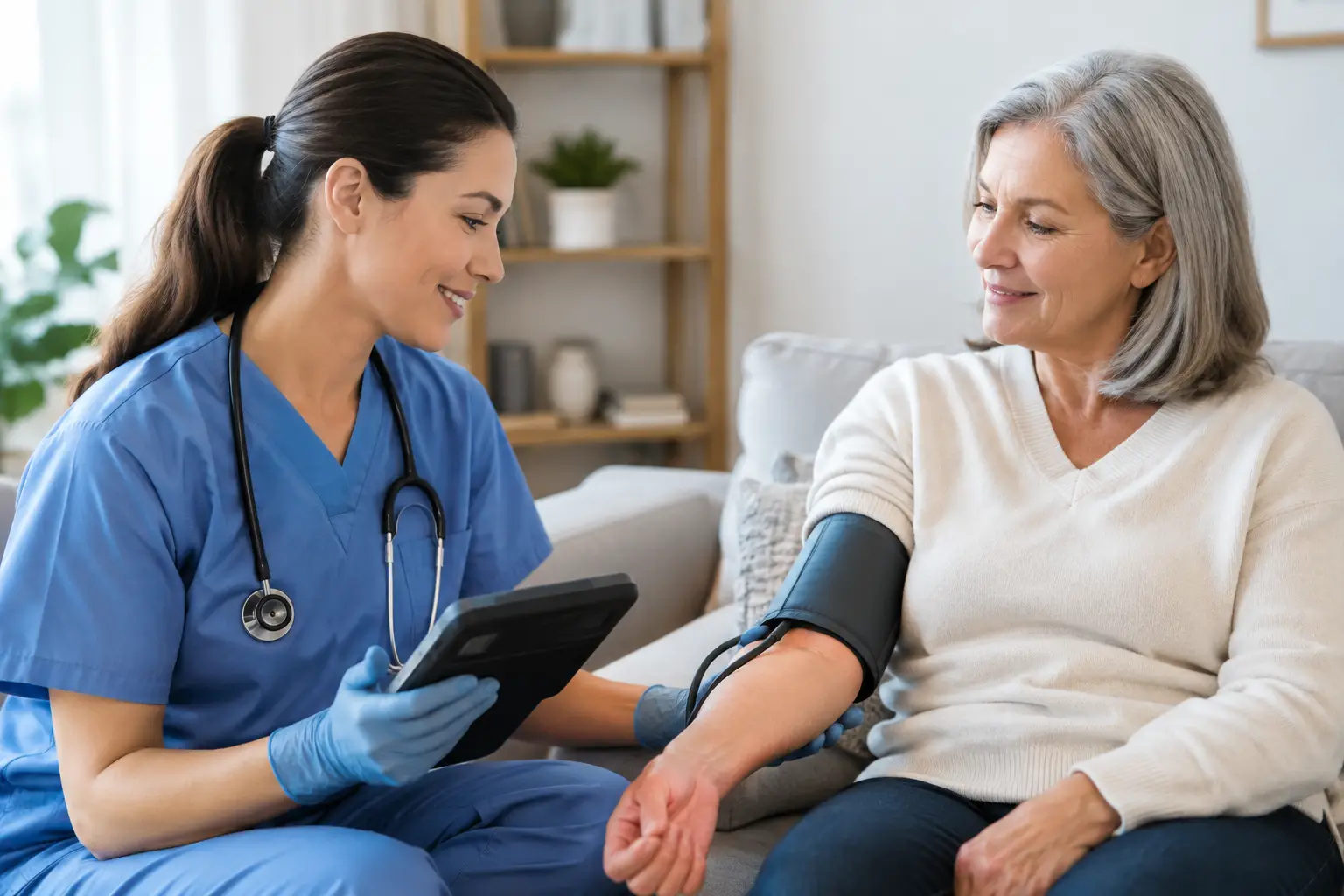
Mobile Diagnostics for Care on Your Terms
A blood test should not require arranging a ride, sitting in a crowded waiting room, missing half a workday, or asking a frail parent to make a difficult trip across town. For many patients, mobile diagnostics change that equation by bringing the collection portion of laboratory testing to a place that feels safer and more manageable.
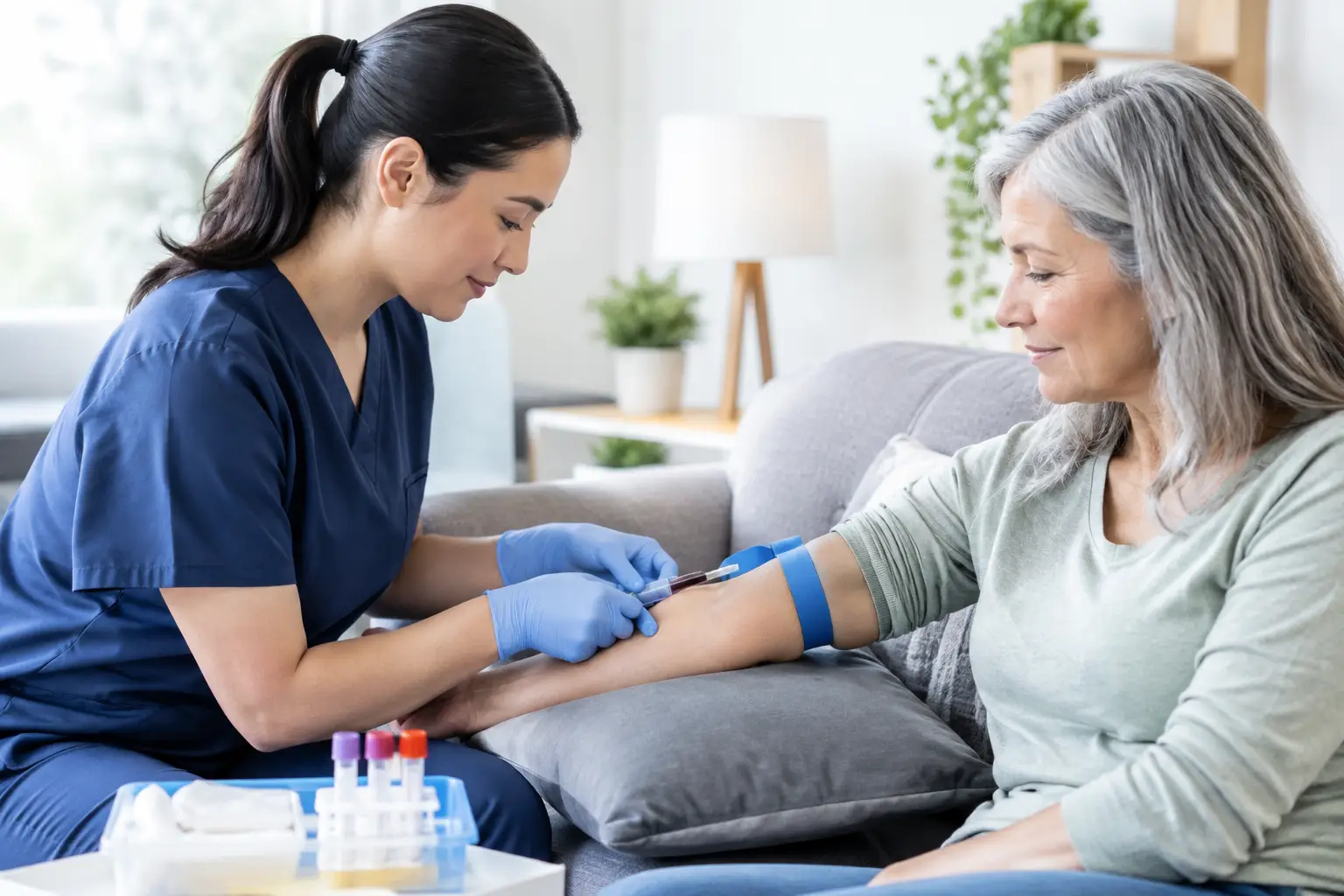
That may be your kitchen table before work, a private office, an assisted-living community, or a rehabilitation facility where travel is not practical. A qualified mobile phlebotomist arrives with the proper supplies, performs the draw with care, verifies the paperwork, and coordinates timely delivery of the specimen to the appropriate laboratory or hospital.
It is practical healthcare with a human touch. And for patients who have had a painful draw, feel anxious around needles, or simply need someone patient by their side, where the appointment happens can make a real difference.
What Mobile Diagnostics Really Means
Mobile diagnostics can describe several healthcare services delivered outside a traditional clinic. For blood work, it usually means a trained professional comes to the patient to collect a specimen that will be tested by an established laboratory.
The distinction matters. The mobile provider generally does not replace your physician, interpret your results, or create a lab order without appropriate clinical direction. Your doctor, healthcare provider, or test-kit program determines which testing is needed. The mobile phlebotomist focuses on accurate, comfortable specimen collection and getting that specimen where it needs to go.
That coordination is more valuable than it may sound. Many tests have specific handling requirements. Some samples need quick delivery, special tubes, temperature protection, centrifuging, or collection at a certain time of day. Good mobile service is not simply showing up with a needle. It is following the collection instructions carefully, protecting patient privacy, labeling correctly, and moving the specimen promptly through the right laboratory pathway.
At Phlebotomy Experts, that concierge approach is built around experienced, certified field collection and HIPAA-compliant practices. The goal is simple: let the laboratory come to you while keeping the process professional from the first call to specimen delivery.
Who Benefits Most From Mobile Diagnostics?
Convenience is a real benefit for anyone with a full calendar, but mobile collection is especially meaningful when a lab visit creates a barrier to care.
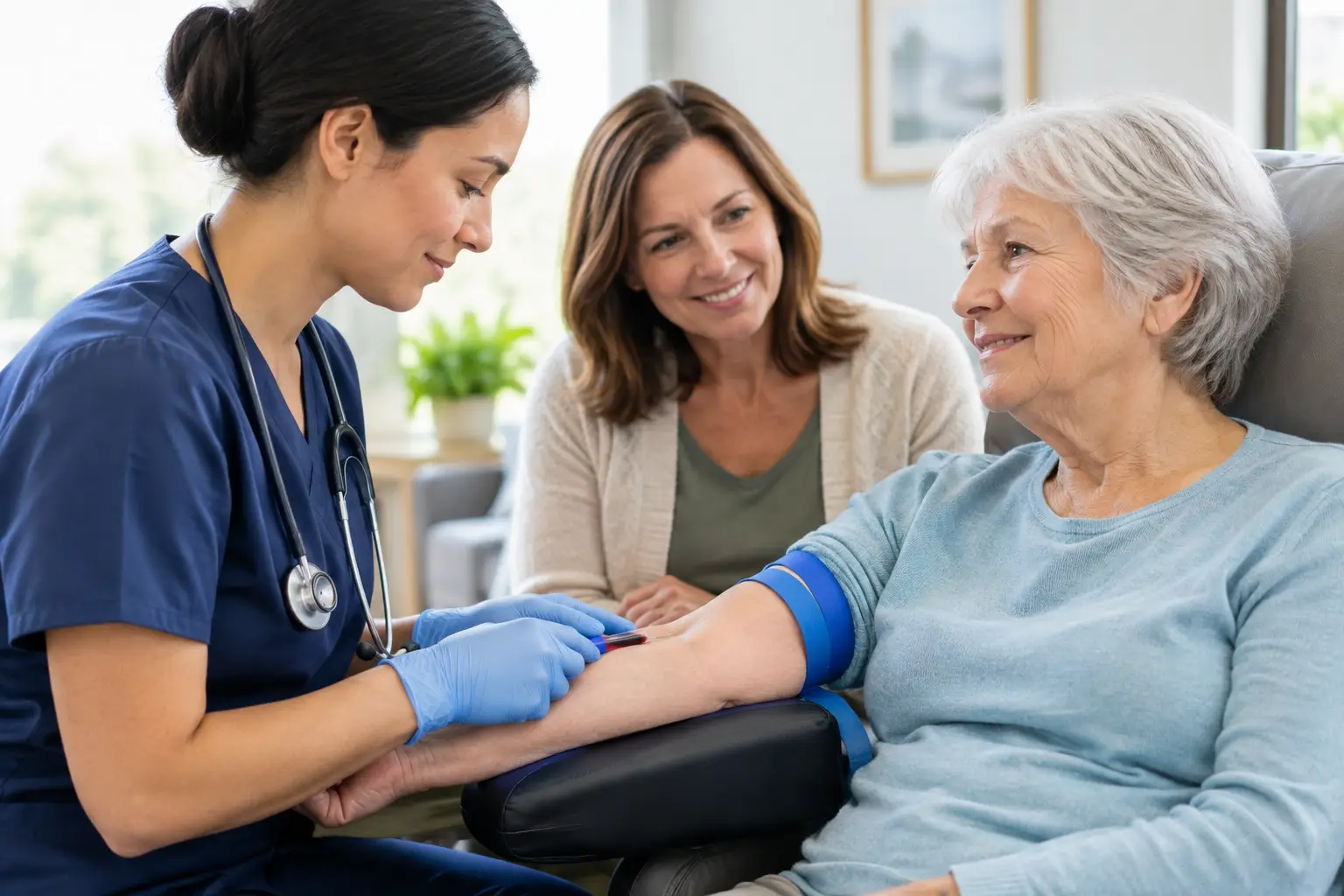
Older adults and people with limited mobility may have trouble navigating parking lots, transportation, wheelchairs, elevators, and long check-in lines. For residents in hospice, assisted living, group homes, and rehabilitation settings, an on-site draw can reduce disruption while supporting the care plan already in place.
Immunocompromised patients may prefer to avoid unnecessary exposure in busy public waiting areas. Parents can also appreciate having a child’s collection done in a familiar environment, with more time for reassurance than a packed lab draw station can always offer. A calm voice, a little patience, and an awesome bedside manner matter.
Busy professionals often schedule mobile blood draws at home or at the office because their time is not unlimited. Instead of losing a morning to travel and waiting, they can arrange an appointment around the rest of the day. For recurring therapeutic phlebotomy, that convenience can become even more important because the need is ongoing rather than one-time.
The Appointment Process, Without the Runaround
A mobile diagnostic appointment should feel organized, not complicated. Before scheduling, have your lab order or test requirements available. If you are using an at-home blood test kit, keep the kit nearby so the collection instructions and shipping materials can be reviewed in advance.
When you call to check availability, share the type of collection needed, your location, your preferred appointment window, and any special circumstances. Mention if the patient is in a care facility, has difficult veins, needs a pediatric draw, requires fasting, or has a history of feeling faint during blood work. Those details help the phlebotomist prepare appropriately.
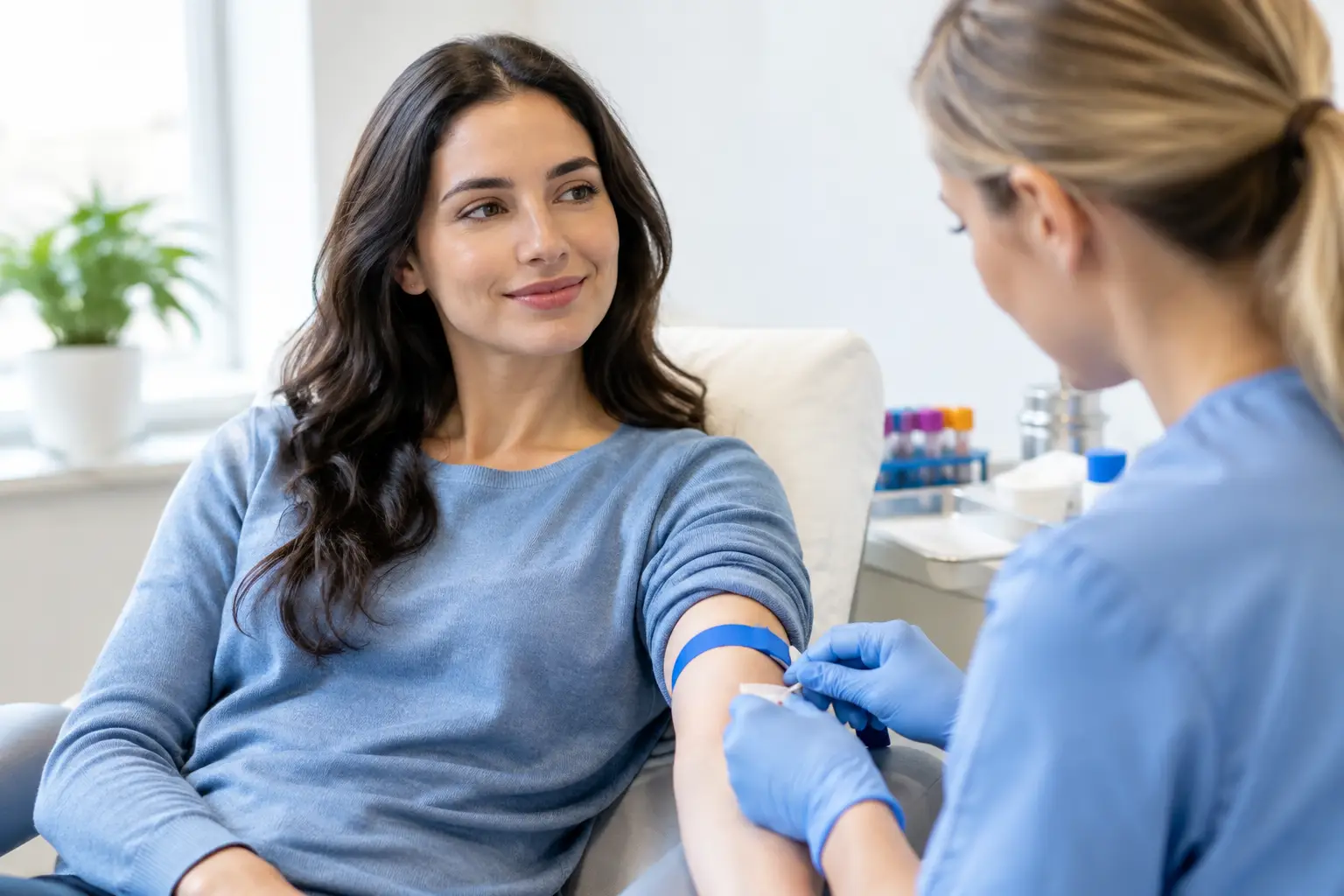
At the appointment, the phlebotomist confirms patient identity and required paperwork, prepares the collection area, and explains what will happen. After the draw, the specimen is labeled and handled according to the laboratory or kit instructions. The provider then coordinates delivery to the designated laboratory, which may include major laboratory networks, a hospital laboratory, or a specialty processing location.
Results are typically reported through the ordering physician, the laboratory, or the test program – not by the person collecting the blood. If you are unsure how results will be delivered, ask before the appointment. Knowing who will contact you and when removes a lot of avoidable worry.
Comfort Matters More Than People Think
Blood draws are routine for medical professionals, but they are not always routine for patients. Some people have needle anxiety. Others have veins that are difficult to access because of dehydration, age, medication, prior treatment, or medical history. A patient who has been stuck multiple times in a rushed setting may understandably dread the next appointment.
A mobile visit provides more control. You can sit in a comfortable chair, have water available if permitted, keep a family member nearby, and avoid the stress of a crowded check-in area. For children, familiar surroundings can reduce fear. For an older adult, being at home can make it easier to remain relaxed and safely positioned.
There are limits, of course. Some patients need hospital-based services because of their condition, the type of testing required, or the possibility of complications. Emergency symptoms – such as chest pain, severe shortness of breath, sudden confusion, or uncontrolled bleeding – are not a mobile collection appointment. Call 911 or seek emergency care.
For routine and physician-directed collections, however, a skilled mobile phlebotomist can make an uncomfortable task feel more respectful, calm, and personal.
When Timing and Handling Are the Whole Story
Not every test can be collected the same way. A standard wellness panel may have very different timing and transport needs than a specialty serum eye-drop process, prenatal DNA gender test, platelet-rich plasma service, or a kit that must be shipped the same day.
This is why patients should never assume that all mobile blood draws are interchangeable. Ask whether your requested test can be collected at your location, whether fasting is required, whether the appointment must occur on a specific day or time, and where the specimen will be delivered. If you have a kit, do not open or complete steps early unless the instructions tell you to do so.
For some specialty services, the collection is only one step in a larger process. Autologous serum or plasma eye-drop preparation, for example, may involve specific laboratory coordination and processing requirements. Therapeutic phlebotomy requires a provider order and attention to the patient’s prescribed plan. Prenatal testing has its own eligibility and timing rules. A reputable mobile team will explain what they can coordinate and what must come from your ordering provider or laboratory.
A Few Smart Ways to Prepare
The easiest appointments usually begin with a little preparation. Follow fasting instructions exactly if they were provided. Drink water beforehand unless your clinician told you to restrict fluids, since hydration can support a smoother draw. Wear a shirt with sleeves that can be rolled up easily, and keep your identification, order, insurance information if applicable, and test kit or requisition ready.
If you tend to get lightheaded, say so before the draw begins. If you have a history of difficult collections, share which arm or vein has worked well in the past. This is useful information, not a bother. The more the phlebotomist knows, the better they can tailor the visit to your comfort and safety.
For facility staff or family caregivers, prepare a quiet, clean area with a chair or bed where the patient can be positioned comfortably. Make sure required paperwork is available and that the patient has had the food, fluids, or medication instructions directed by their clinician.
Care That Fits Real Life
Mobile diagnostics are not about making laboratory medicine fancy. They are about removing friction from care that people genuinely need. A home or workplace collection can help a caregiver keep a loved one on schedule, allow a professional to protect valuable work time, and give a nervous patient a more dignified experience.
If a blood draw has been sitting on your to-do list because getting to the lab feels like too much, ask about appointment availability in your area. The right collection support can turn one more stressful errand into a calm, well-handled part of your day.

Related Posts