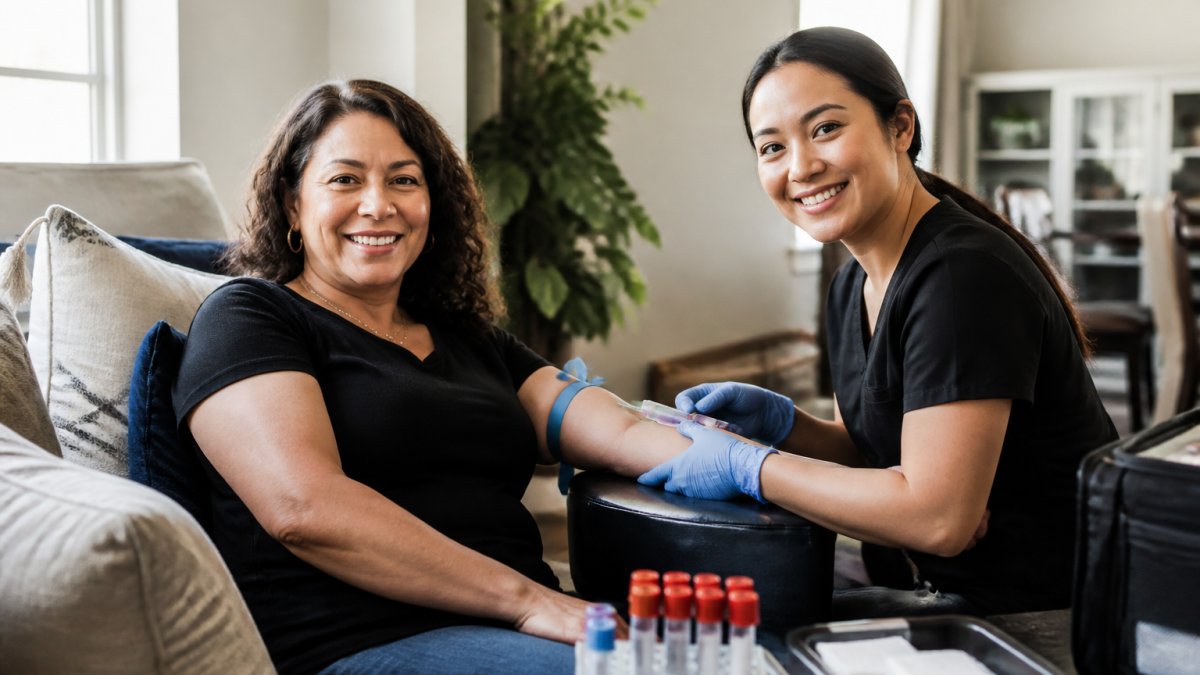
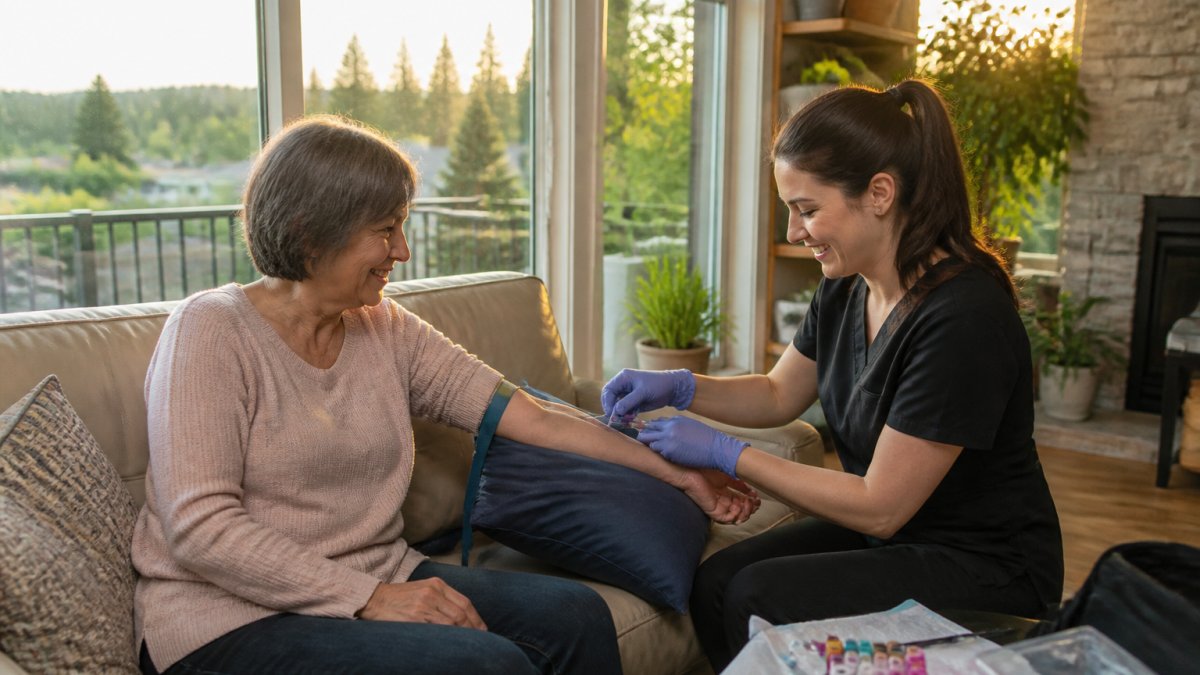
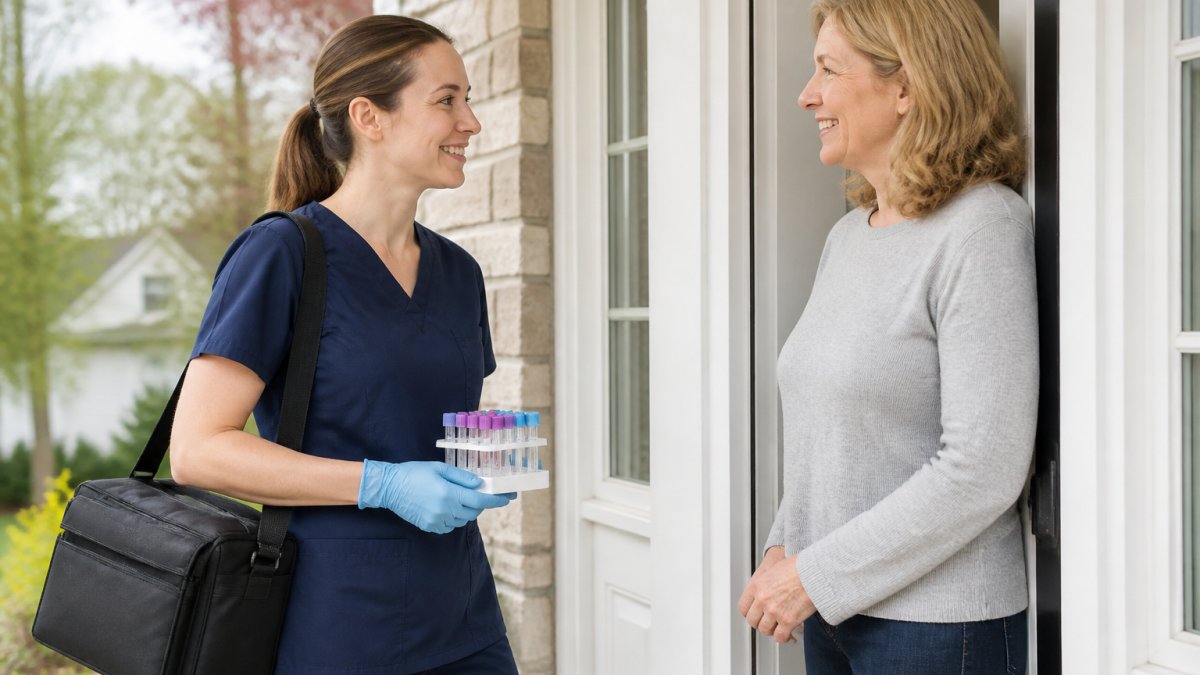
Breaking down the cost of in home blood draws: collection fees, lab charges, insurance, and what you actually pay out-of-pocket.

Mobile Lab Services for Assisted Living Facilities
Table of Contents
- Why Mobile Lab Services Are Reshaping Assisted Living Care
- How Mobile Phlebotomy for Senior Living Works On-Site
- How to Properly Store Blood Samples Before Lab Transport
- CLIA Compliance for Mobile Lab Services: What Administrators Must Know
- Turnaround Times, Insurance, and EHR Integration
- Emergency vs. Routine Testing: Setting Facility Protocols
- Cost-Benefit Analysis for Facility Administrators
- Frequently Asked Questions
Last Updated: September 15, 2026
Why Mobile Lab Services Are Reshaping Assisted Living Care
Mobile lab services for assisted living facilities bring specimen collection directly to residents, eliminating the need for off-site trips to draw stations or hospitals. At Phlebotomy Experts, we understand how this simple shift transforms routine blood work from a logistical headache into a convenient bedside visit.
The core problem is transportation. Moving a resident with limited mobility to an outside lab requires staff time, vehicle coordination, and physical assistance that strains already-thin caregiver schedules. Multiply that by every resident who needs routine blood work, and the burden becomes overwhelming.
Mobile lab services solve this by sending a licensed phlebotomist to the facility. The phlebotomist performs venipuncture at the patient bedside, labels specimens, and arranges transport to the processing laboratory. Facility staff stay on-site. Residents stay comfortable.
CDC guidance on specimen collection and handling
How Mobile Phlebotomy for Senior Living Works On-Site
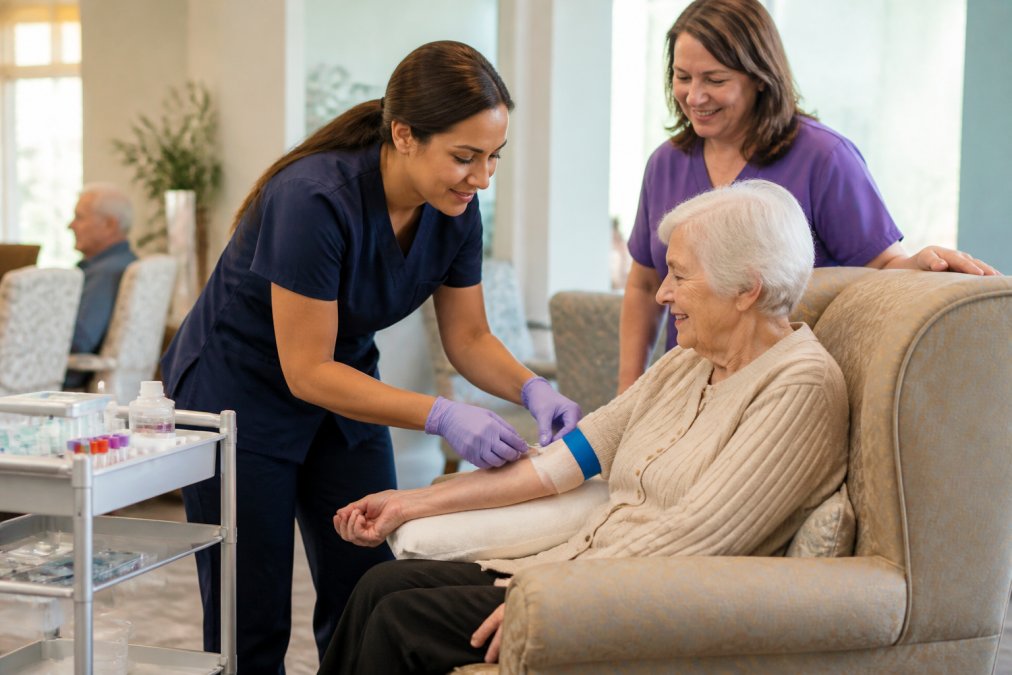
Mobile phlebotomy for senior living operates on a scheduled or on-call basis. A facility contacts the mobile lab provider, submits physician orders, and the phlebotomist arrives at an agreed time to perform on-site blood draws for one or multiple residents.
The On-Site Specimen Collection Process
The process follows a consistent sequence:
- Verify patient identity and physician orders
- Confirm insurance information and required tests
- Perform venipuncture using standard precautions
- Label specimens at the bedside with patient identifiers
- Package samples according to transport requirements
- Hand off to a medical courier or deliver directly to the laboratory
A common mistake facilities make is failing to consolidate orders before the visit. When multiple residents need blood work on different days, scheduling becomes fragmented and costly. Batch orders where clinically appropriate.
Reducing Transportation Burden for Residents
Transportation is the single largest hidden cost in facility lab coordination. Staff hours, vehicle use, and the physical toll on residents add up quickly. On-site collection removes all three.
Residents with dementia or anxiety often become distressed during off-site trips. Staying in familiar surroundings reduces that distress and makes the blood draw faster for everyone involved.
Pro Tip
Schedule mobile lab visits during low-activity periods, such as mid-morning after breakfast and medication rounds. Residents are calmer, veins are more accessible after hydration, and staff have more availability to assist with paperwork.
Schedule mobile lab visits during low-activity periods, such as mid-morning after breakfast and medication rounds. Residents are calmer, veins are more accessible after hydration, and staff have more availability to assist with paperwork.
How to Properly Store Blood Samples Before Lab Transport
Sample integrity is the single most controllable variable in a mobile lab workflow, and it is where most redraws originate. On a fixed draw station, a specimen reaches the centrifuge within minutes. On a mobile route, that same specimen may sit in a collection bag for an hour or more before it reaches the reference laboratory. How the provider manages that gap determines whether results are accurate or whether the resident gets stuck twice.
The general tube-handling rules still apply:
- Serum tubes (SST/gold or red-top): Allow a full clot at room temperature, typically 30 minutes, then centrifuge within the manufacturer’s stated window. Do not refrigerate whole blood before clotting; cold temperatures can cause hemolysis and incomplete separation.
- Plasma tubes (lithium heparin, sodium citrate): Mix by gentle inversion immediately after draw per the tube manufacturer’s inversion count, then centrifuge promptly. Citrate tubes for coagulation studies have tight fill-line requirements, underfilled tubes are rejected outright.
- EDTA tubes (lavender): Keep at room temperature and do not refrigerate unless a specific assay calls for it. Cold EDTA can alter platelet morphology and skew hematology results.
- Lactate and ammonia: Place on ice immediately. These analytes rise measurably at room temperature as cells continue metabolizing.
- Light-sensitive analytes (bilirubin, certain vitamins): Wrap in foil or use amber tubes from the start.
What Actually Goes Wrong on a Mobile Route
The failure modes on a mobile collection route are different from a hospital draw station. The most common ones:
- Temperature excursion. A collection bag left in a warm vehicle, or a specimen placed near a heater vent, can push serum or plasma past its stability window. Once that happens, the lab rejects the sample and the resident is redrawn.
- Delayed centrifugation. Some assays require separation within a defined window after draw. If the provider does not carry a portable centrifuge or does not have a same-day courier, those assays cannot be offered reliably.
- Improper fill volume. Short-draw tubes, common when a vein is difficult, are rejected by most reference labs for coagulation and some chemistry assays.
- Mislabeled or unlabeled tubes. A single missing identifier at the bedside means the specimen is discarded, regardless of how good the draw was.
Questions to Ask a Prospective Provider
Before signing a service agreement, get written answers to these:
- Does the phlebotomist carry a portable centrifuge, or are all samples transported whole-blood to the reference lab?
- What is the maximum time between draw and laboratory accessioning on a typical route?
- How are temperature-sensitive specimens handled in transit, insulated transport, cold packs, data loggers?
- What is the provider’s specimen rejection rate, and how is a redraw handled, is it billed again?
- Is chain of custody documented at every handoff, from bedside to accessioning?
Watch Out
A provider that cannot state its specimen rejection rate in writing is telling you it does not track one. Rejection rate is the clearest single indicator of collection quality on a mobile route, and it directly affects how often your residents are stuck a second time.
A provider that cannot state its specimen rejection rate in writing is telling you it does not track one. Rejection rate is the clearest single indicator of collection quality on a mobile route, and it directly affects how often your residents are stuck a second time.
CDC guidance on specimen collection and handling
CLIA regulations and laboratory standards
CLIA Compliance for Mobile Lab Services: What Administrators Must Know
CLIA compliance for mobile lab services depends on what the service actually does. Facilities that perform only specimen collection and send samples to a certified reference laboratory fall under a different regulatory category than those running on-site testing.
The key distinction: specimen collection is not the same as laboratory testing. A mobile phlebotomy service that draws blood and transports it to a CLIA-certified lab does not itself need a CLIA certificate for that activity.
Administrators should verify:
Watch Out
Accepting a mobile lab provider’s word without documentation is a compliance risk. Request written confirmation of the reference lab’s CLIA certification and the provider’s specimen handling protocols before signing a service agreement.
Accepting a mobile lab provider’s word without documentation is a compliance risk. Request written confirmation of the reference lab’s CLIA certification and the provider’s specimen handling protocols before signing a service agreement.
HIPAA and Chain of Custody Requirements
Turnaround Times, Insurance, and EHR Integration
| Service Element | Typical Practice | What to Verify |
|---|---|---|
| Collection fee | Billed to insurance or facility | In-network status |
| Lab test fees | Billed by reference lab | CLIA certification |
| Turnaround time | 1-3 days routine | Stat availability |
| EHR integration | HL7/FHIR or manual | Interface support |
| Chain of custody | Documented per specimen | Audit trail retention |
Emergency vs. Routine Testing: Setting Facility Protocols
Facilities should define clear triggers for each category:
Cost-Benefit Analysis for Facility Administrators
The Cost Side of the Ledger
Build the comparison around four line items:
The Benefit Side
A Simple Break-Even Frame
What to Put in the Service Agreement
Key Takeaway
The strongest cost case for mobile lab services is not the collection fee, it is the caregiver hours and transportation costs the facility stops spending. Build the comparison around those lines, and require the provider to document its rejection rate and turnaround commitments in the agreement.
The strongest cost case for mobile lab services is not the collection fee, it is the caregiver hours and transportation costs the facility stops spending. Build the comparison around those lines, and require the provider to document its rejection rate and turnaround commitments in the agreement.
Frequently Asked Questions
What are the benefits of mobile lab services for assisted living residents?
Mobile lab services bring specimen collection directly to residents, eliminating the need for transportation to outside labs. This reduces physical strain, anxiety, and scheduling conflicts for residents with mobility issues or chronic conditions. Facilities also benefit from fewer no-shows, better care plan adherence, and more consistent preventative screening. For residents on anticoagulation therapy or with chronic disease management needs, regular on-site blood draws support timely clinical decisions without disrupting daily routines.
How do mobile phlebotomy services ensure compliance with HIPAA regulations?
Compliant mobile lab providers follow HIPAA rules for protected health information at every step: scheduling, specimen collection, transport, and results delivery. This means using secure communication channels, limiting access to patient data to authorized staff, and maintaining chain of custody documentation. Facilities should verify that any mobile phlebotomy for senior living partner has written HIPAA policies, trained staff, and a clear process for reporting incidents. Ask for their notice of privacy practices before signing a service agreement.
What is the proper procedure for storing blood samples before lab transport?
Proper storage depends on the test. Most routine blood samples collected in serum separator tubes should be kept at room temperature and transported within a few hours. Refrigerate samples for tests that require cold storage, but never freeze whole blood unless the lab specifies it. Avoid direct sunlight and extreme heat. Label every tube at the bedside, verify patient identity, and maintain chain of custody. A medical courier or the phlebotomist should deliver specimens promptly to preserve sample integrity and clinical accuracy.
How can assisted living facilities partner with mobile lab providers?
Start by identifying which residents need routine or recurring lab work and how often. Contact a mobile lab provider to discuss scheduling, volume, and the types of tests required. Ask about CLIA compliance, insurance verification, and how results reach the resident’s physician. Many providers offer standing orders or scheduled visits, so your staff does not need to coordinate each draw individually. Set up a communication channel for results and any stat testing needs, then review the arrangement quarterly to adjust volume or timing.
Are mobile lab services covered by Medicare for assisted living residents?
Medicare Part B generally covers medically necessary lab tests when ordered by a treating physician, regardless of where the specimen is collected. The collection itself may be covered if it meets Medicare’s requirements, but coverage rules vary. Facilities should confirm with the mobile lab provider whether they accept Medicare assignment and how they handle billing. For residents with secondary insurance or Medicare Advantage plans, verify coverage before the first visit to avoid unexpected costs.
Coordinating lab work across an entire assisted living community is a genuine operational challenge, and the wrong provider creates more problems than it solves. Phlebotomy Experts brings licensed phlebotomists, gentle bedside care, and dependable specimen delivery to your facility, so your staff can focus on resident care instead of logistics. Call now to schedule recurring on-site collection for your community.

Related Posts