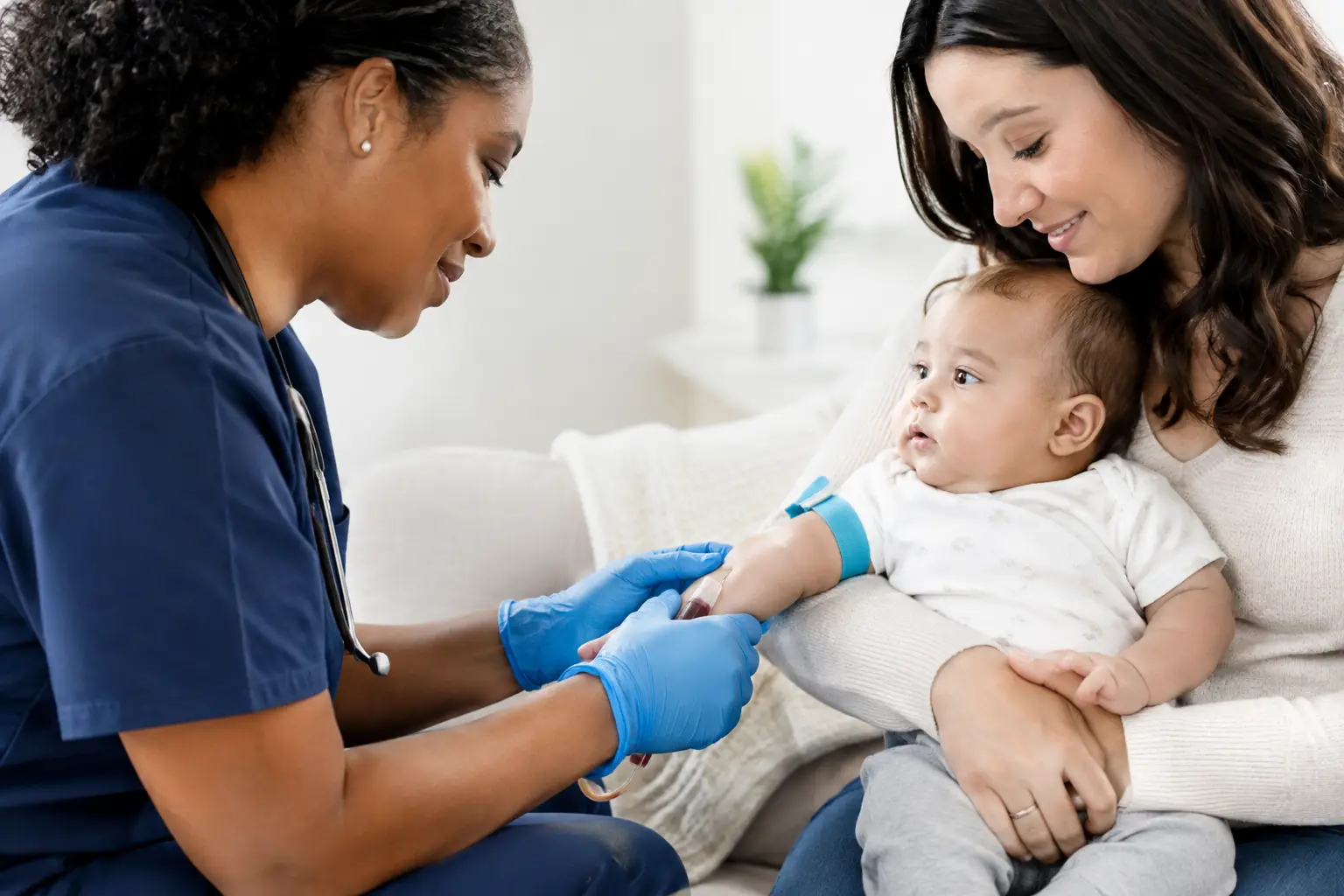
Can mobile phlebotomists draw infants? Learn when at-home collection is appropriate, how pediatric draws work, and what parents should expect at home.
Do I Need Lab Orders for a Mobile Blood Draw?
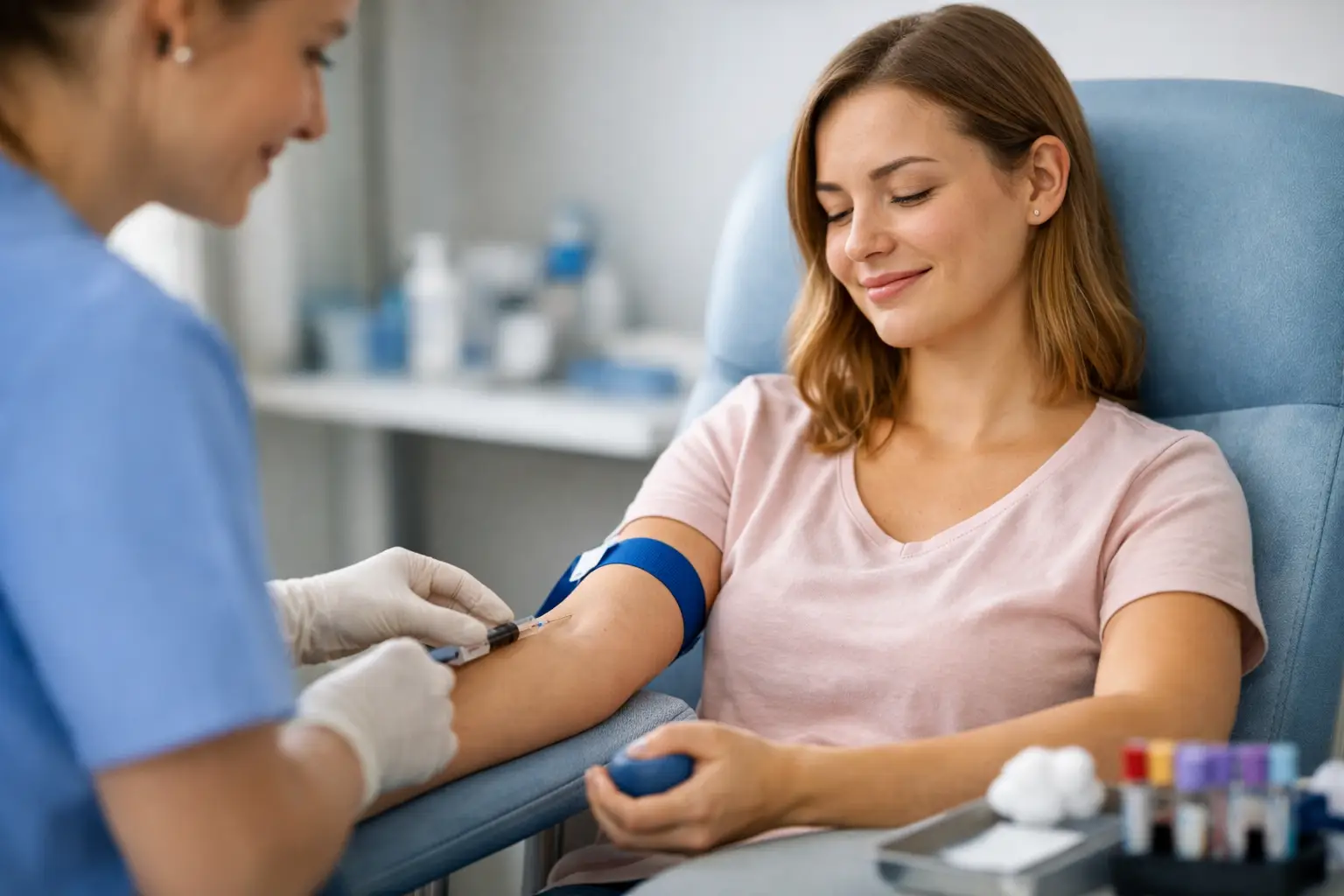
A blood draw at home can save you a crowded waiting room, a long drive, and the challenge of getting a loved one safely to a lab. But before you schedule, you may be asking, do I need lab orders? For most routine diagnostic testing, yes – you will need an order from a licensed healthcare provider or a laboratory requisition that clearly lists the requested tests.
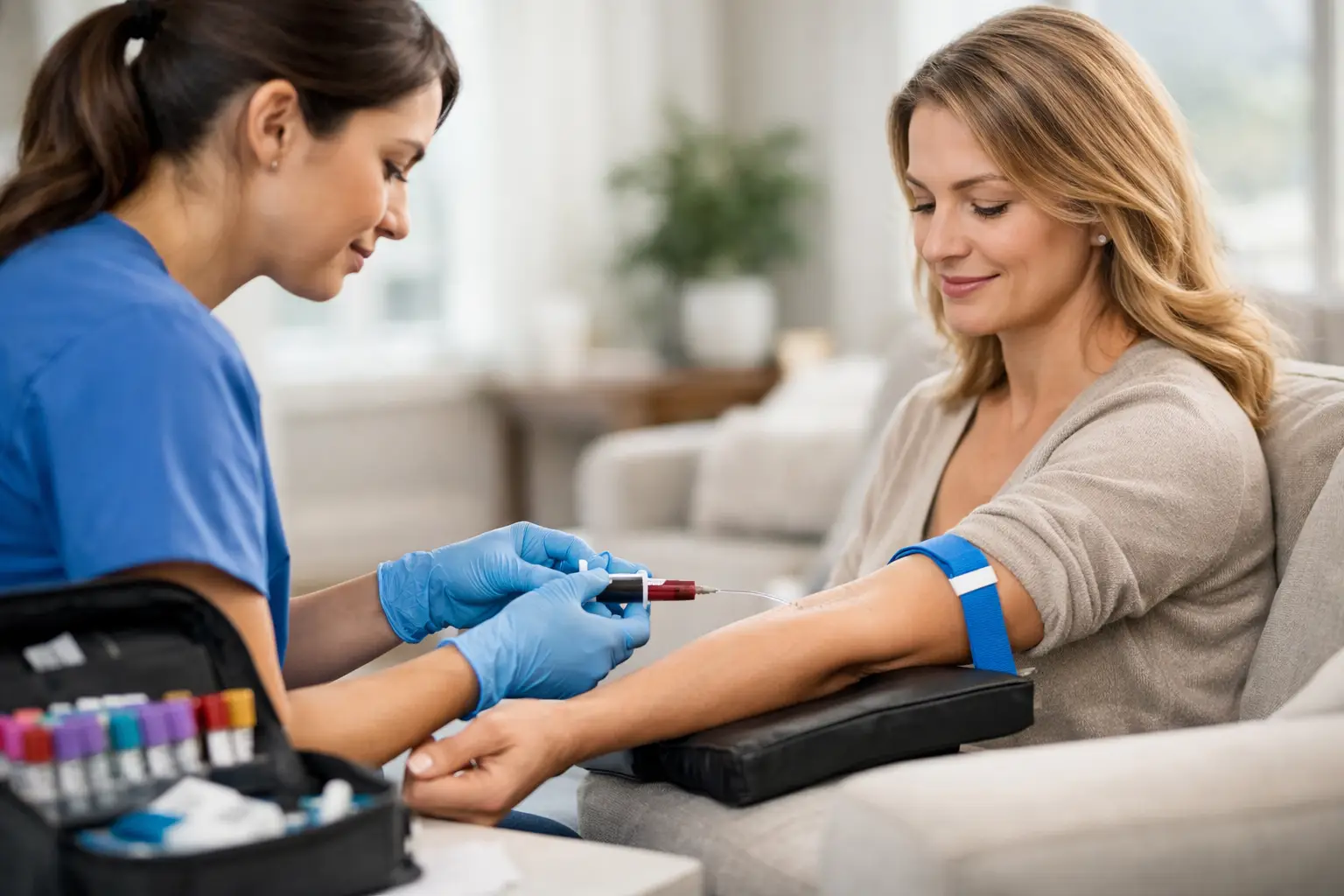
The good news is that an order does not have to make the process difficult. Your provider may send it directly to the lab, give you a printed copy, upload it to a patient portal, or fax it to the collection service. Once the right paperwork is in place, a qualified mobile phlebotomist can come to your home, office, assisted-living community, rehabilitation facility, or another convenient location to collect your specimen.
Do I Need Lab Orders for Every Blood Test?
It depends on the type of test, where you live, the laboratory performing it, and how the test is being paid for. A physician, nurse practitioner, or other authorized provider order is commonly required when testing is being used to diagnose a condition, monitor medication, manage an ongoing illness, or submit a claim to insurance.
An order tells the laboratory exactly what to test for. It may include a complete blood count, cholesterol panel, thyroid test, metabolic panel, hormone testing, vitamin levels, or specialty testing. It also connects the result to the provider responsible for reviewing it with you and deciding whether follow-up care is needed.
Mobile phlebotomists are trained to collect, label, protect, and deliver specimens. They do not diagnose symptoms or decide which medical tests you need. That separation protects you: the ordering provider directs your care, the laboratory performs the analysis, and the phlebotomist helps make collection more comfortable and accessible.
When You Will Usually Need a Provider Order
If your doctor says, “Please get your labs done before your next appointment,” there is almost certainly an order somewhere. Sometimes patients assume they need to pick up a paper slip, only to find that the provider already submitted an electronic requisition to Quest Diagnostics, Labcorp, a hospital lab, or another laboratory.
Before scheduling a mobile draw, call your provider’s office and ask two simple questions: Has my lab order been sent, and which laboratory should receive my specimen? Those answers prevent delays on the day of service.
You will generally need an order for routine medical laboratory testing, including testing related to diabetes, kidney function, anticoagulation therapy, anemia, infections, fertility, pregnancy care, and medication monitoring. Therapeutic phlebotomy also requires a provider order because it is a prescribed treatment, not simply a standard blood draw. The order should state the treatment instructions, such as how much blood to remove and any lab values that must be checked.
Specialty services can have additional requirements. For example, autologous serum or plasma eye-drop processing often involves detailed instructions from the prescribing eye doctor and the processing facility. PRP-related collection may require treatment-specific documentation from the clinician directing care. A mobile collector can help coordinate the collection details, but the medical order must be clear before the appointment.
What About Direct-to-Consumer and Home Test Kits?
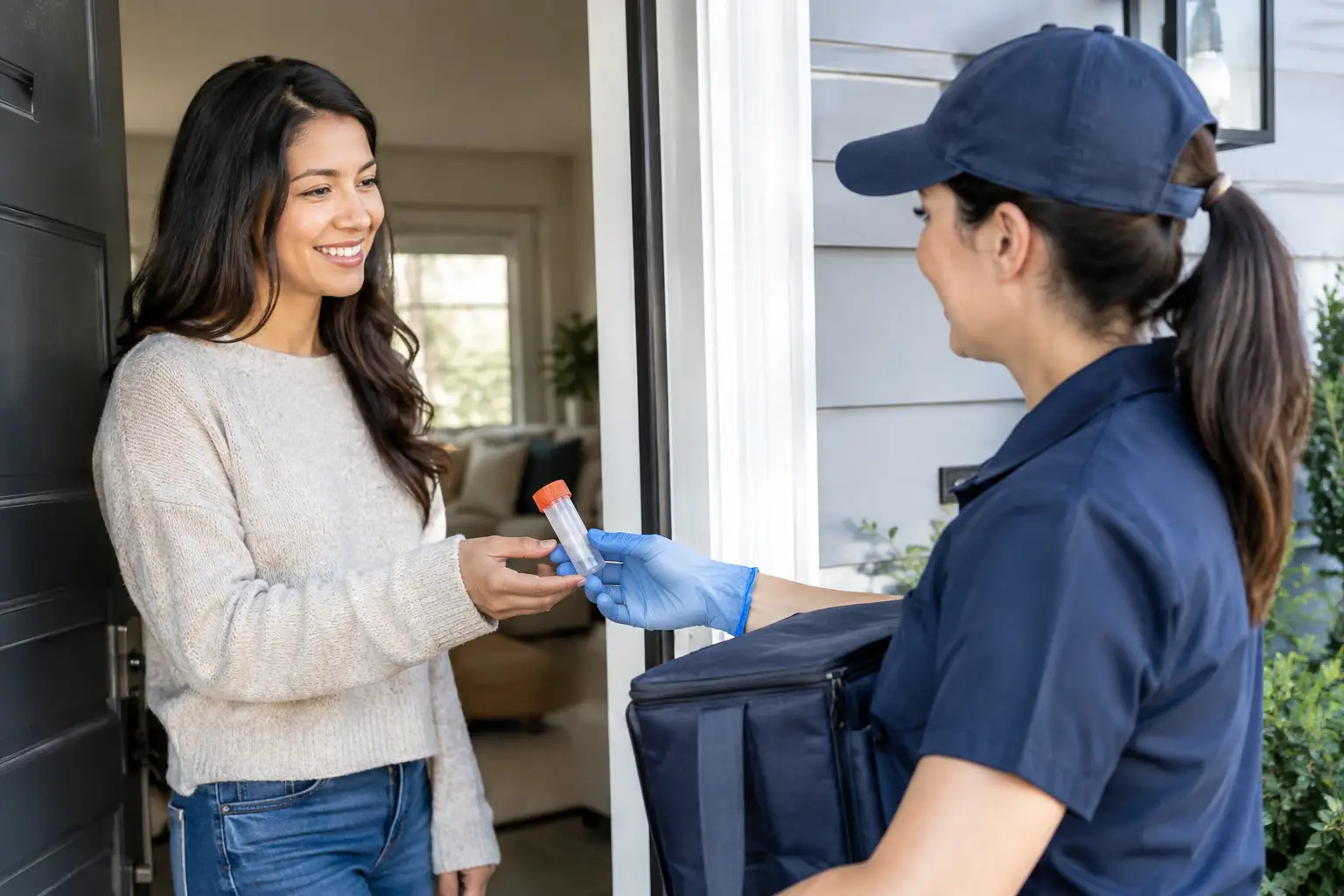
Some consumer testing companies offer kits that can be ordered without first visiting your own doctor. In those cases, the company may arrange the required laboratory authorization through its own affiliated medical provider, if one is needed. You may still be asked to complete a health questionnaire, confirm your identity, and follow collection instructions exactly.
At-home kits are not all the same. Some use saliva, urine, or a finger-prick sample that you collect yourself. Others require a venous blood draw performed by a trained professional. If your kit calls for professional collection, check the kit instructions before scheduling. Bring the complete, unopened kit to the appointment unless the testing company has provided different directions.
Prenatal DNA gender testing is another situation where requirements can vary. Some testing options are consumer-directed, while others are ordered through an obstetric provider. Timing, specimen handling, identification requirements, and the laboratory’s policies all matter. If you are pregnant and considering testing, confirm the specific requirements with the test provider before making plans.
How to Know Whether Your Order Is Ready
A little preparation makes a mobile appointment feel wonderfully simple. Your order may be ready if you have a printed requisition, an electronic confirmation from your provider, a lab order in your patient portal, or confirmation that the order was sent to the laboratory.
Make sure the order includes your full name and date of birth, the requested tests, the provider’s information, and the destination laboratory when applicable. If anything looks different from your identification or if your provider changed the test after the order was issued, ask the office to correct it before the draw.
It also helps to confirm whether fasting is required. Many tests do not require fasting, but lipid panels and certain metabolic tests may come with food, beverage, medication, or timing instructions. Do not stop prescribed medication unless your provider tells you to do so. When in doubt, contact the ordering office rather than guessing.
For the appointment itself, have your photo ID, insurance information if applicable, lab requisition or kit, and any collection instructions nearby. Wear clothing with sleeves that can be rolled up comfortably. If you have a history of fainting, difficult veins, bruising, or anxiety around needles, say so when you schedule. A caring phlebotomist can plan for your comfort, whether that means allowing extra time, drawing while you are seated or lying down, or choosing the best available site.
Orders, Insurance, and Mobile Collection Fees
A provider order and insurance coverage are related, but they are not the same thing. Your insurance may cover the laboratory analysis when the test is medically necessary and ordered correctly, while a mobile collection visit may carry a separate concierge service fee. Coverage depends on your plan, the laboratory, the diagnosis information attached to the order, and whether the lab is in network.
Ask your insurer what it covers, but also ask the laboratory and mobile service what fees apply. Clear answers upfront are especially helpful for recurring collections, therapeutic phlebotomy, homebound patients, and family members arranging care for someone in assisted living or hospice.
If you are paying out of pocket, you may have more testing options, but laboratory rules still apply. A cash payment does not automatically replace a required order. Certain tests need medical oversight because the results can require prompt interpretation, treatment, or follow-up.
What Happens After the Blood Draw?
After collection, the phlebotomist verifies labeling, secures the specimen according to handling requirements, and coordinates delivery to the designated laboratory or hospital. Proper timing and temperature control can be crucial, especially for specialty specimens. That is why it is wise to use an experienced, HIPAA-compliant mobile collection service instead of trying to transport a specimen yourself.
Your results generally go to the ordering provider, the laboratory patient portal, or both. The person who ordered the test is the right person to explain what the numbers mean in the context of your health history, symptoms, and medications. A single result can look alarming or reassuring without telling the whole story.
Phlebotomy Experts helps patients across Southern California, the Bay Area, Austin, and Las Vegas arrange professional collection where they are most comfortable. For a busy parent, a person recovering from surgery, an older adult, or someone avoiding exposure in a packed lab lobby, that extra support can make staying on top of care much easier.
If you do not have an order yet, your next step is not to postpone the care you need. Call your provider, ask whether the order can be sent electronically, and keep the requisition handy. Once the details are lined up, your laboratory visit can happen right where you are – with a skilled hand, a calm voice, and a little less disruption to your day.

Related Posts