
Are prenatal blood tests accurate? Learn what NIPT and fetal sex blood tests can tell you, when results may be less reliable, and next steps with care.
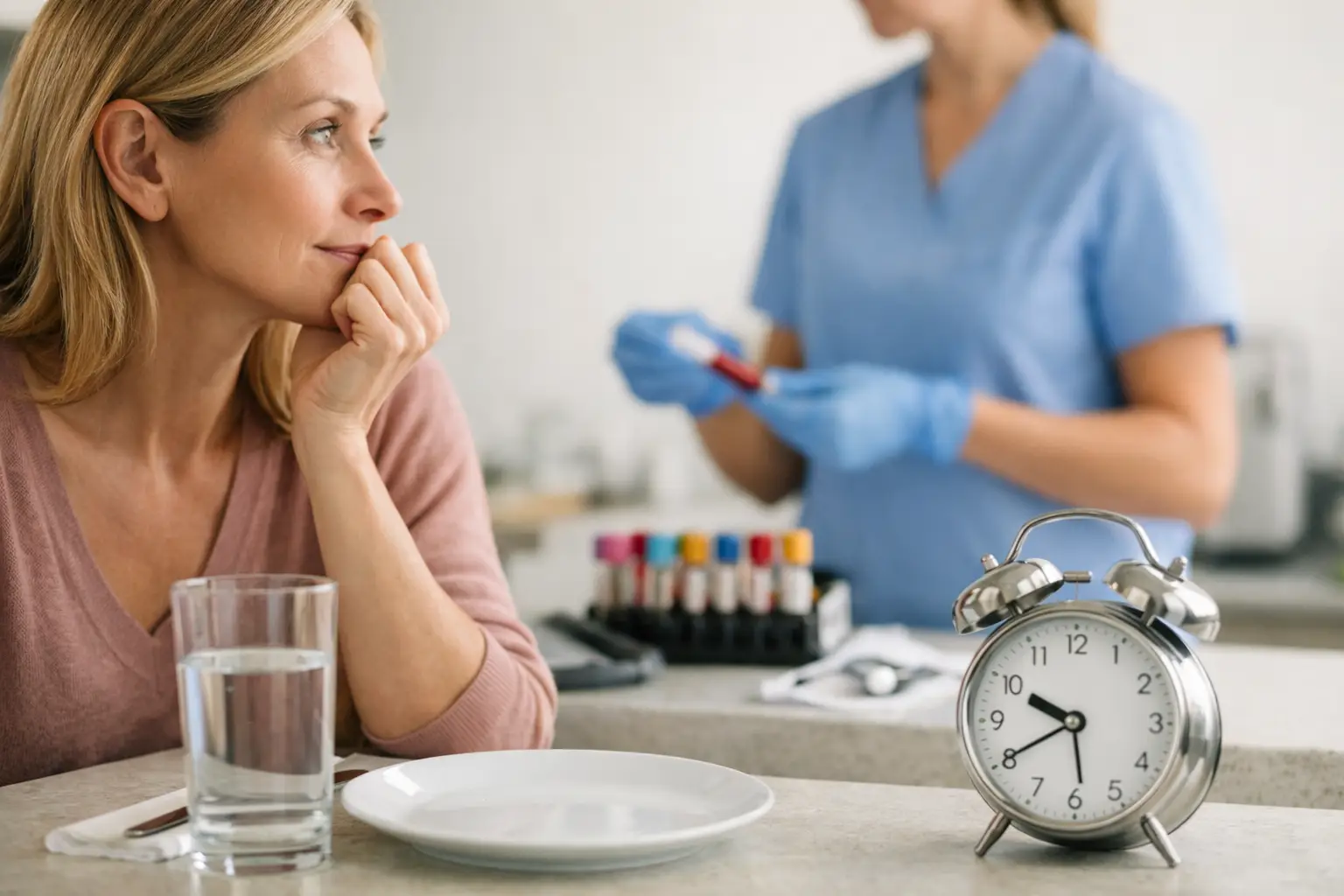
How to Prepare for Fasting Before Blood Work
A fasting blood test is simple, but the details matter. A splash of cream in coffee, a late-night snack, or an intense early workout can affect certain results and may mean repeating the draw. Knowing how to prepare for fasting ahead of time helps your care team get the clearest possible picture from your lab work – without adding stress to your morning.
First, Confirm Whether You Actually Need to Fast
Not every blood test requires fasting. Many routine tests can be collected at any time of day, while others may need a specific fasting window. Tests that commonly come with fasting instructions include some cholesterol and triglyceride panels, glucose testing, certain metabolic studies, and specialized hormone or nutrient testing.
Your ordering provider or laboratory requisition is the final word. Look for written instructions from your doctor, clinic, or laboratory. If you are unsure whether fasting is required, ask before your appointment rather than guessing. The right preparation depends on the exact tests ordered, your health history, and why your provider is checking them.
Fasting usually means consuming no food or beverages other than plain water for a prescribed period, often 8 to 12 hours. It does not mean you should fast longer than instructed. A 14- or 16-hour fast is not automatically better and can leave some people shaky, dehydrated, or uncomfortable during a blood draw.
How to Prepare for Fasting the Night Before
The easiest way to prepare is to schedule a morning appointment. If your provider asks for an 8-hour fast and your blood draw is at 8:00 a.m., finishing dinner by midnight meets that requirement. In real life, it is usually more comfortable to eat a normal dinner earlier in the evening, then begin your fast before bed.
Choose a balanced meal with protein, fiber, and foods you normally tolerate well. There is no need for a “perfect” pre-test dinner, a cleanse, or a last big meal before fasting begins. Heavy, rich meals and excess alcohol can affect triglycerides and may also leave you feeling thirsty or unwell the next morning.
Once the fasting window starts, put a simple reminder on your phone or kitchen counter: water only. This helps prevent the automatic morning coffee or a quick bite while packing lunches for the family.
Water Is Usually Your Best Friend
Plain water is typically allowed and encouraged unless your provider gives different instructions. Good hydration can support an easier collection by making veins easier to access. Have water during the evening and a glass or two after you wake up, without overdoing it.
Coffee, tea, juice, soda, energy drinks, flavored waters, and sports drinks are not the same as water. Even drinks that seem harmless can contain sugar, fat, caffeine, sweeteners, or other ingredients that may interfere with a fasting test. Skip gum, mints, and cough drops as well unless your care team says otherwise.
Medications Need Personal Instructions
Do not stop prescription medication on your own because you are fasting. Some medications should be taken as usual with water. Others may need to be timed differently, especially diabetes medications, insulin, thyroid medication, supplements, or drugs that should be taken with food.
Call the prescribing provider or the office that ordered your labs if you need guidance. This is especially important for people managing diabetes. Fasting can lower blood sugar, and your medication plan may need adjustment for the morning of testing. If you feel confused, weak, sweaty, lightheaded, or unwell while fasting, treat that as a health concern first and contact your medical team.
Vitamins and supplements deserve the same attention. Biotin, often found in hair, skin, and nail products, can interfere with some laboratory tests. Your provider may ask you to pause it for a period before collection. Do not assume every supplement is harmless just because it is sold over the counter.
What About Exercise, Smoking, and Alcohol?
A quiet morning is often the best morning for fasting blood work. Vigorous exercise shortly before a draw can temporarily change glucose, muscle enzyme, and other values. Unless your provider has told you to exercise for a specific test, save the hard workout for after your appointment.
Avoid alcohol during the day before testing if you can, particularly when triglycerides, liver markers, or glucose are being checked. Smoking and nicotine can also influence certain measurements. If you use tobacco or nicotine products, ask your provider whether you should avoid them before your test and for how long.
There is one more practical point: do not use fasting as a reason to skip sleep. Poor sleep and a stressful morning can affect how you feel and may influence some body processes. Set out your photo ID, lab order, insurance information if needed, and a small snack for afterward the night before. A few minutes of preparation makes a difference when you wake up hungry.
Make the Blood Draw More Comfortable
Let your phlebotomist know if you have ever fainted, felt nauseated, had difficult veins, or felt anxious during a blood draw. This is useful information, not something to be embarrassed about. An experienced professional can help you get positioned comfortably, take extra care with vein selection, and make a plan for keeping you safe.
Wear a top with sleeves that can be rolled above the elbow without squeezing your arm. Arrive or be ready a few minutes early, and keep warm if your home or office is cool. Cold can make veins less visible, while a relaxed, hydrated body is generally easier to collect from.
For children, older adults, and anyone with mobility challenges, fasting can take extra coordination. A caregiver may need to help confirm instructions, organize medications, and make sure there is food available as soon as collection is complete. If leaving home is difficult, at-location collection can remove the wait, travel, and exposure concerns that come with a crowded laboratory visit.
After Your Fasting Blood Test
As soon as the collection is complete, you can usually eat and drink normally unless your provider tells you otherwise. That is why bringing a snack is smart, especially if you have a long drive, a busy workday, or a history of feeling lightheaded after blood draws. Try a snack with protein and carbohydrates, such as yogurt and fruit, crackers with cheese, or a sandwich.
Keep pressure on the collection site for the amount of time your phlebotomist recommends. A small bruise can happen even with excellent technique, but avoiding heavy lifting with that arm right away may help. If bleeding does not stop with firm pressure, or you have significant swelling, pain, numbness, or symptoms that concern you, seek medical advice promptly.
Your results should always be interpreted by the provider who ordered the test. One number rarely tells the whole story. Fasting status, medications, recent illness, hydration, and your individual health needs all provide important context.
When Convenience Helps You Follow Instructions
Fasting appointments are easier when they fit your life. A mobile blood draw can be especially helpful for busy professionals, parents, assisted-living residents, rehabilitation patients, and people who prefer to avoid a trip to a busy lab while hungry and waiting for their name to be called.
Phlebotomy Experts brings certified, HIPAA-compliant collection support to homes, offices, and care settings, then coordinates prompt specimen delivery to established laboratories. If you are scheduling a fasting draw, ask about appointment availability that matches your required fasting window. A calm morning, a glass of water, and clear instructions can turn a stressful lab visit into one simple step toward the care you need.
