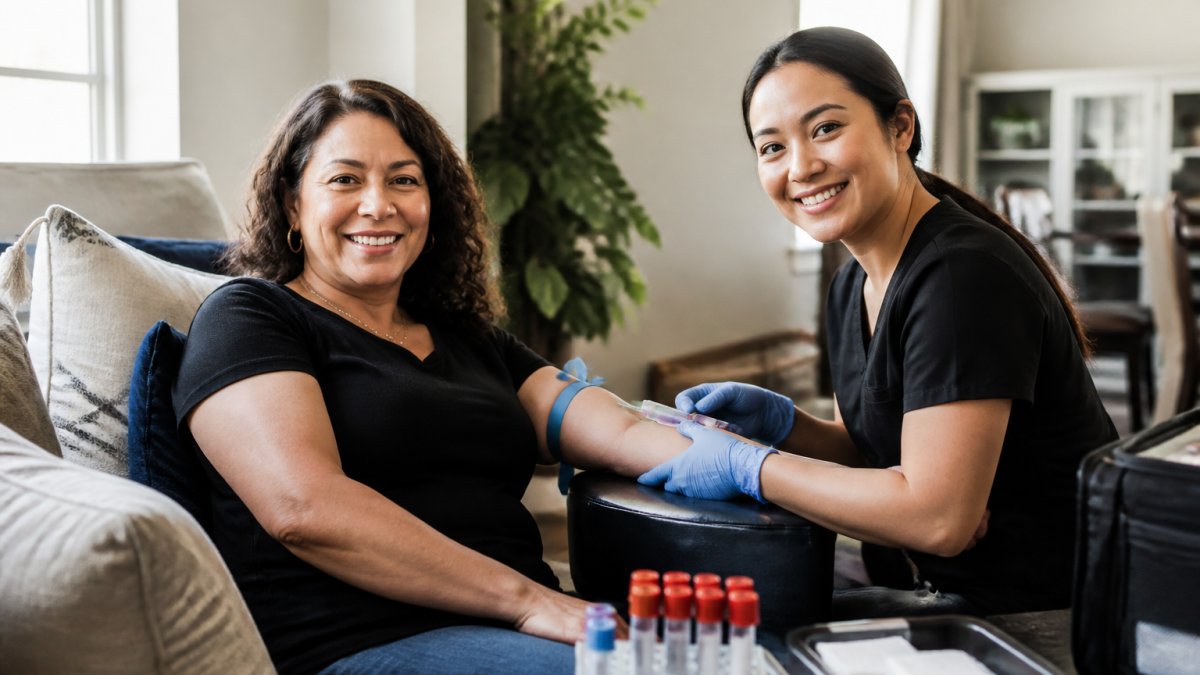
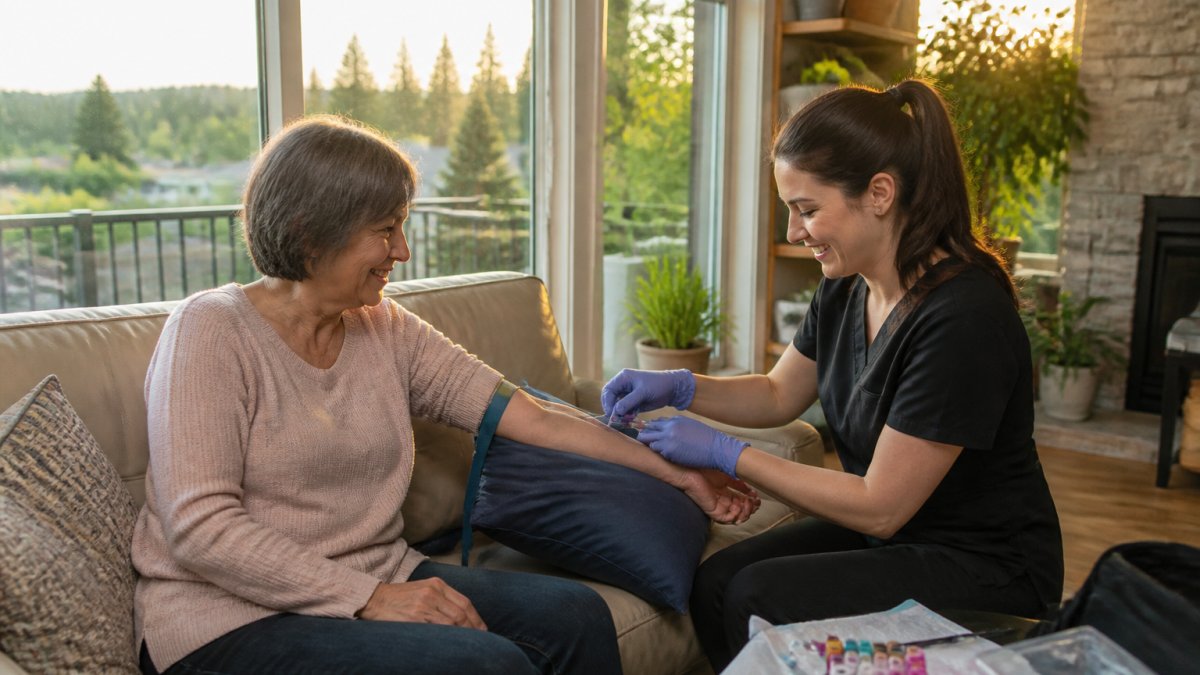
Breaking down the cost of in home blood draws: collection fees, lab charges, insurance, and what you actually pay out-of-pocket.
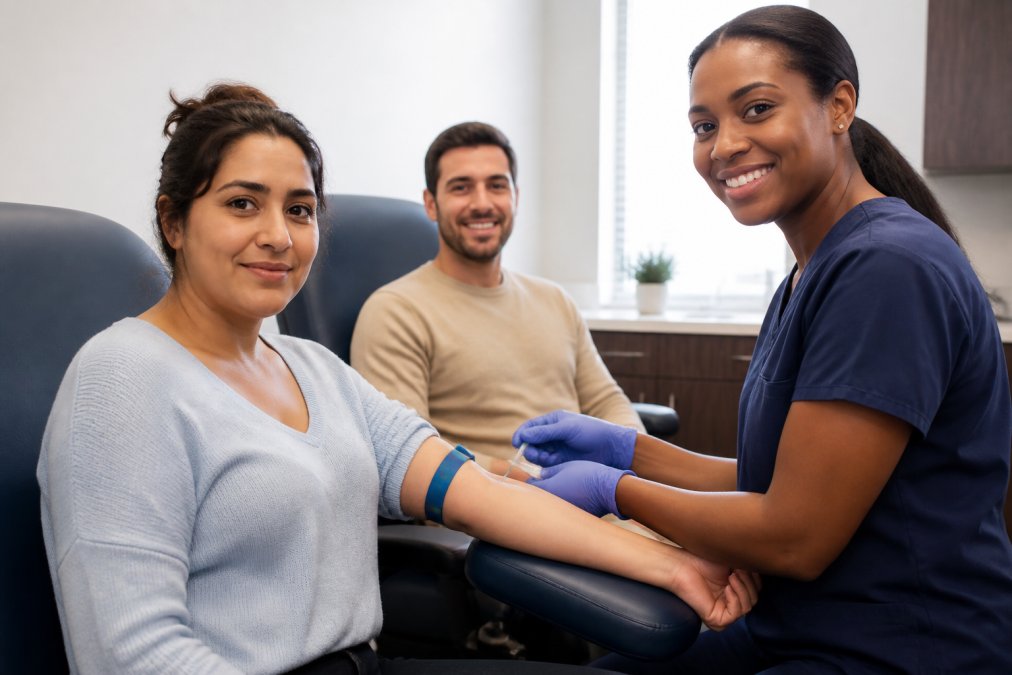
Tips for Managing Needle Phobia: A 2026 Guide
Table of Contents
- Understanding Needle Phobia and the Vasovagal Response
- How to Prepare for a Blood Test with Anxiety
- Breathing, Grounding, and Muscle Relaxation Techniques
- The Applied Tension Technique for Needle Phobia
- Distraction Techniques, Numbing Cream, and Pain Management
- Gentle Blood Draw for Infants and Pediatric Patients
- Exposure Therapy, Support People, and When to Get Professional Help
- Frequently Asked Questions
Last Updated: September 23, 2026
Understanding Needle Phobia and the Vasovagal Response
[Needle phobia](/mobile-phlebotomy-for-needle-phobia-tips/) is a recognized anxiety condition causing intense fear before or during blood draws, injections, and other needle procedures. For many, it goes beyond nerves and triggers a physical reaction: dizziness, sweating, fainting.
Key Takeaway
The vasovagal response, not the needle itself, causes most fainting during blood draws. Learning to control it is the single most useful skill for anyone with needle phobia.
The vasovagal response, not the needle itself, causes most fainting during blood draws. Learning to control it is the single most useful skill for anyone with needle phobia.
How to Prepare for a Blood Test with Anxiety
Preparing for a blood test with anxiety is not about willpower. It is about stacking small physical and logistical advantages so your nervous system has less to react to: a calmer body, an easier vein, and a script you do not have to invent on the spot.
The Night Before and Morning Of
- Drink water steadily the day before and the morning of. Dehydration shrinks veins, meaning more probing and more stress.
- Eat a normal meal unless your provider says to fast. Low blood sugar amplifies the dizziness that feeds the vasovagal response.
- Skip alcohol the night before and go easy on caffeine. Both raise heart rate and make the faint reflex easier to trigger.
- Get a full night’s sleep. Sleep debt lowers the threshold at which anxiety tips into a physical reaction.
- Wear short sleeves or a loose top with sleeves that roll above the elbow. Tight sleeves act as a tourniquet.
- If you have fainted before, tell the scheduler when you book. Ask for a morning appointment, a reclining chair, and a phlebotomist experienced with fainters.
What to Tell Your Phlebotomist
Speak up before the needle comes out. A good phlebotomist wants this information early because it changes how they set up.
- Say it plainly: “I have needle anxiety and I sometimes faint.” No explanation or apology needed.
- Ask to lie down instead of sitting. Lying flat is the single most effective way to prevent a faint during the draw.
- Ask whether a smaller gauge needle (a higher number, like a 23-gauge instead of a 21-gauge) is acceptable for your test. For many routine draws it is.
- Ask for a butterfly needle if your veins are small or have rolled before.
- Ask them to talk you through each step, or to stay quiet and work quickly, whichever you prefer.
- Ask for a warm compress on the arm for a few minutes first. Warmth brings veins closer to the surface.
- Ask for a 30-second pause to breathe before they insert the needle.
A Script You Can Reuse
“I have a needle phobia and I’ve fainted before. I’d like to lie down, and I’d like you to tell me before you start. I may need a minute to breathe first.”
What to Bring
- Headphones and a charged phone with a downloaded video or playlist.
- A water bottle and a snack for afterward.
- A calm support person, if you have one.
- Your insurance card and any prior lab orders.
At Phlebotomy Experts, our licensed technicians are trained to work with anxious patients and difficult veins. A calm, unhurried bedside manner is part of the job, not a bonus.
Breathing, Grounding, and Muscle Relaxation Techniques
Slow, controlled breathing is the fastest way to calm your body before a needle because it directly signals your nervous system to stand down.

Try diaphragmatic breathing, also called belly breathing:
- Place one hand on your belly and one on your chest.
- Breathe in through your nose for a count of four.
- Feel your belly rise, not your chest.
- Breathe out slowly through your mouth for a count of six.
- Repeat five to ten times.
The Applied Tension Technique for Needle Phobia
The applied tension technique for needle phobia raises your blood pressure on purpose to prevent fainting. It is the go-to tool for people who pass out during blood draws.
Here is how it works:
- Tense the muscles in your arms, legs, and torso.
- Hold the tension for about 10 to 15 seconds.
- Release and relax for 20 to 30 seconds.
- Repeat until the procedure is done.
Pro Tip
Practice applied tension at home a few times before your appointment. It is much easier to use under stress when your body already knows the move.
Practice applied tension at home a few times before your appointment. It is much easier to use under stress when your body already knows the move.
Distraction Techniques, Numbing Cream, and Pain Management
Distraction and numbing cream work on two different problems: your attention and your skin. Used together, they cover both. (Source: recommendations for managing vasovagal syncope)
Distraction techniques give your brain something else to do:
- Watch a video or listen to music with headphones.
- Count backward from 100 by sevens.
- Talk with your support person about anything except the needle.
- Look away and focus on a fixed point across the room.
- Notice the texture of the chair or the temperature of the room.
| Technique | Best For | When to Start |
|---|---|---|
| Deep breathing | General anxiety | 5 minutes before |
| Applied tension | Fainting risk | 2-3 minutes before |
| Numbing cream | Needle pain | 30-60 minutes before |
| Distraction | Racing thoughts | During the draw |
Gentle Blood Draw for Infants and Pediatric Patients
Most needle-phobia content is written for adults, leaving parents largely on their own, a gap that matters because fear learned in childhood often becomes a lifelong phobia. The techniques that work for adults work for kids too; they just have to be adapted to a child’s age, attention span, and need for control.
Why Early Experiences Matter
A child’s first few needle experiences shape how they respond for years. A single traumatic draw can create anticipatory anxiety at every future appointment. That is why preparation, comfort, and speed matter more for children, you are setting the template for the next twenty draws.
By Age Group
Infants (0-12 months)
- Hold your baby skin to skin during the draw when allowed. Skin-to-skin contact lowers heart rate and crying in infants.
- Feed them during or immediately before the draw. Sucking and sweet taste both reduce pain response.
- Use a pacifier if they take one.
- Ask whether a heel stick is an option. For many newborn screens it is.
- Swaddle or hold them firmly but gently. A secure hold reduces startle.
Toddlers (1-3 years)
- Explain in one or two short sentences right before, not hours ahead. Toddlers cannot hold anticipation and it only builds dread.
- Use simple, honest words: “It will feel like a quick pinch, and then it’s done.” Avoid “it won’t hurt”, if it does, you lose their trust.
- Bring a comfort item, favorite toy, or blanket.
- Offer a choice where you can: which arm, which bandage, whether to sit on your lap.
- Praise them immediately and specifically: “You held still and that helped a lot.”
Preschool and School-Age (4-12 years)
- Ask about a topical anesthetic (numbing cream) for older children. It needs 30 to 60 minutes on the skin, so request it when you book.
- Use age-appropriate distraction: a video, a counting game, blowing bubbles, or squeezing your hand on a count.
- Teach them belly breathing at home, when nothing scary is happening. A skill practiced calm is a skill available scared.
- Let them ask questions. Answer honestly and briefly.
- Never let a child watch the needle if they are scared. A child who watches is far more likely to fight the next draw.
Teens (13-18 years)
- Give them control over the details: headphones, position, whether they want you in the room.
- Explain the vasovagal response directly. Teens respond well to understanding the mechanism, it reframes fainting as a body reflex, not a personal failure.
- Teach applied tension (tense legs, arms, and torso for 10-15 seconds, release, repeat) if they have fainted before.
- Respect their preference to handle it themselves. Standing back can be the most supportive thing you do.
What to Ask the Provider
- Is a topical anesthetic appropriate for this test and this child’s age?
- Is a smaller needle or a butterfly needle an option?
- Is a heel stick or finger stick acceptable for the test being ordered?
- Can the draw be done with the child lying down or on a parent’s lap?
- Does this phlebotomist work with children regularly? Pediatric veins are smaller and roll more easily, so experience matters.
What Not to Do
- Do not promise a needle-free visit if there will be a needle. Broken trust makes the next visit harder.
- Do not bribe with a reward that only appears if they “don’t cry.” Crying is not failure, and tying a reward to it teaches them their fear is a problem.
- Do not let your own anxiety show. Children read adult stress accurately. If you are anxious, step out and let another calm adult stay.
- Do not skip the appointment because it is hard. Avoidance is how a manageable fear becomes a phobia.
Watch Out
Never let a child watch the needle if they are scared. A child who sees the needle go in is far more likely to fight the next draw. Distract them instead.
Never let a child watch the needle if they are scared. A child who sees the needle go in is far more likely to fight the next draw. Distract them instead.
At Phlebotomy Experts, we offer specialized care for infants and children, including in-home visits that skip the waiting room entirely, which for many families is the single biggest source of a child’s distress.
Exposure Therapy, Support People, and When to Get Professional Help
Exposure therapy is the most studied treatment for needle phobia, retraining your brain’s fear response. A therapist guides you through a fear ladder, a ranked list of steps from least to most scary.
A typical fear ladder looks like this:
- Look at a picture of a needle.
- Hold a capped needle or syringe.
- Watch a video of a blood draw.
- Sit in a clinic room without a draw.
- Have a nurse touch your arm with an alcohol swab.
- Complete a real blood draw.
Frequently Asked Questions
What is the best way to overcome needle phobia?
Overcoming needle phobia usually combines several approaches. Learn applied tension to prevent fainting, practice deep breathing and grounding exercises, and ask about topical numbing cream before your appointment. For long-term relief, exposure therapy or cognitive behavioral therapy with a mental health professional can gradually reduce anticipatory anxiety. Many patients also find that a mobile phlebotomy visit at home is easier than a clinic because the environment feels less clinical and the phlebotomist can work at your pace.
How can I stay calm during a blood draw?
Tell your phlebotomist you have needle anxiety before the draw starts so they can adjust their approach. Use slow diaphragmatic breathing, look away from the needle, and focus on a fixed object or a conversation. Clenching and releasing your leg muscles can keep your blood pressure up and reduce the chance of fainting. If you feel lightheaded, say so immediately; lying down for the draw is safer than sitting up. Bringing a support person also helps many patients stay calm.
Are there physical techniques to prevent fainting during injections?
Yes. The applied tension technique is the most studied method. You tense the muscles in your arms, legs, and torso for about 10 to 15 seconds, then release for 20 to 30 seconds, repeating until your face feels warm. This raises blood pressure and counters the vasovagal response that causes fainting. Crossing your legs and tensing your thighs while seated also helps. Ask to lie down for the procedure if you have fainted before, and stay seated for a few minutes afterward.
How does mobile phlebotomy help patients with needle anxiety?
Mobile phlebotomy brings a licensed phlebotomist to your home or office, which removes triggers like waiting rooms, fluorescent lights, and the sight of other patients. You control the setting, can lie on your own couch, and can take as long as you need to relax before the draw. For patients with trypanophobia, this lower-stress environment often makes the difference between skipping a test and getting it done. Phlebotomy Experts provides in-home draws with technicians experienced in gentle techniques for anxious patients.

Related Posts