
Learn why blood bruises after a draw, what makes a bruise more likely, simple home care steps, and signs that call for prompt medical advice right away.
How to Schedule Mobile Phlebotomy at Home
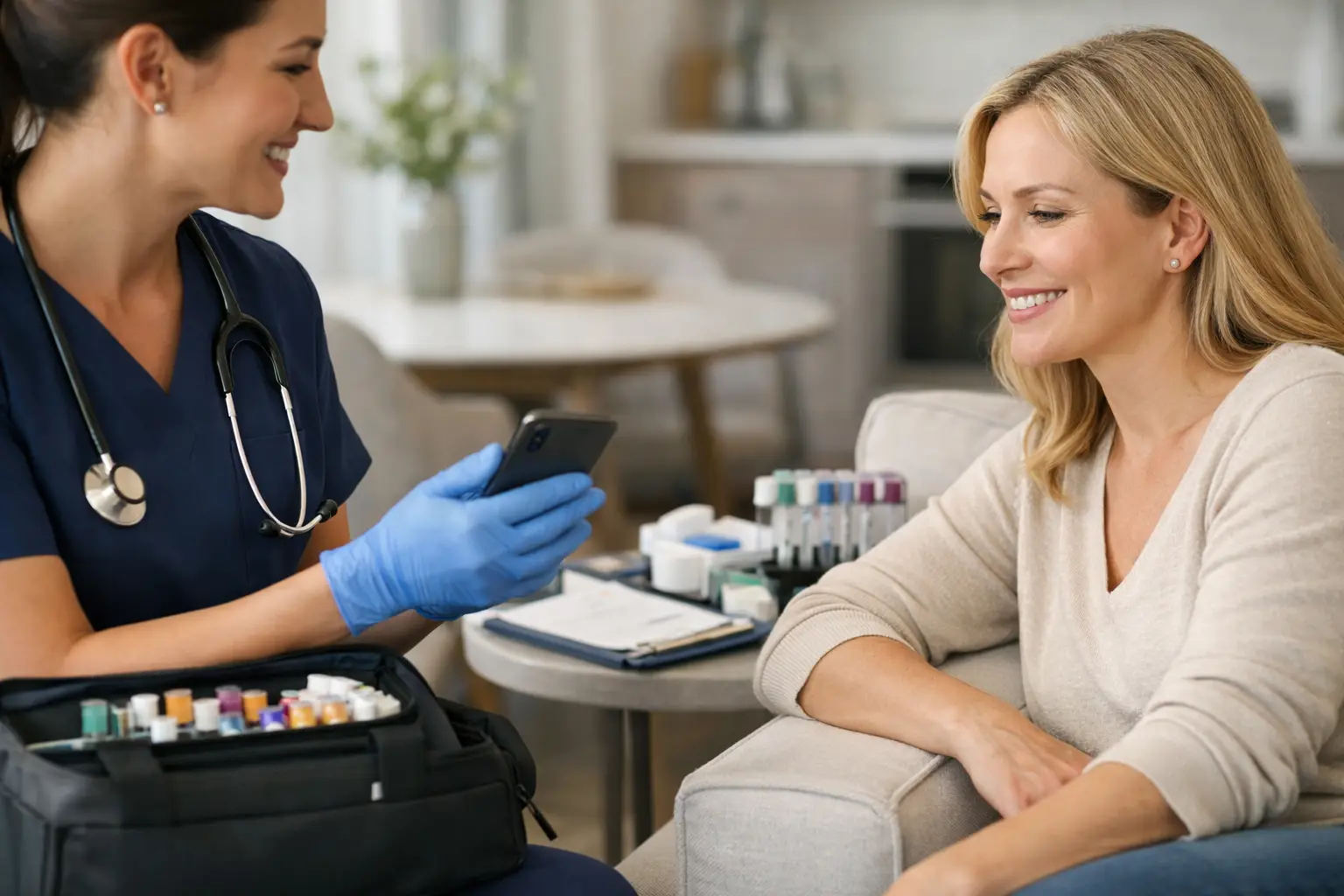
A lab order should not mean rearranging your whole day, sitting in a crowded waiting room, or finding transportation when you do not feel your best. When you schedule mobile phlebotomy, a certified phlebotomist comes to your home, office, assisted-living community, rehabilitation facility, or another convenient location to collect your specimen with care.
For a busy parent, a working professional, an older adult, or someone managing a medical condition, that personal visit can make a routine blood draw feel much more manageable. The laboratory still handles the testing. Your mobile phlebotomist handles the collection, the paperwork, and prompt delivery of the specimen to the appropriate laboratory or hospital.
When it makes sense to schedule mobile phlebotomy
Mobile collection is a practical choice when getting to a laboratory is the hardest part of the appointment. Maybe you have limited mobility, are recovering from surgery, need to avoid unnecessary exposure to crowded spaces, or simply cannot spend an hour traveling and waiting for a short blood draw.
It is also especially helpful for recurring care. Patients receiving physician-directed therapeutic phlebotomy, monitoring chronic conditions, or completing repeat lab work can arrange collection around their care plan without repeatedly coordinating a ride to the lab. For hospice, assisted-living, group-home, and rehabilitation patients, on-site service can also reduce stress for families and care teams.
Some appointments involve specialized collection needs. These can include home blood-test kits, prenatal DNA gender testing, autologous serum or plasma processing for eye drops, PRP-related collection, and clinical-study specimens. Specialty collections often have exact handling and timing requirements, so it is best to share those details when booking rather than treating the visit like a standard lab draw.
What you need before booking
The smoothest appointments begin with a few details ready. Most blood draws require a valid lab order or requisition from your physician, clinic, telehealth provider, or laboratory. That document tells the phlebotomist what tests have been ordered and where the specimen needs to go.
Have your photo identification, insurance information if applicable, and the name of the ordering provider nearby. If the laboratory gave you a kit, bring it out before the appointment and let the scheduler know what kind of kit it is. Do not open, refrigerate, freeze, or prepare kit components unless the kit instructions or your provider specifically tell you to do so.
You should also ask your provider whether fasting is required. Fasting instructions are not the same for every test. A lipid panel may require fasting, while many routine tests do not. Water is often encouraged, because good hydration can make veins easier to access, but follow the instructions provided for your particular order. If you take prescription medication, do not skip it unless your medical provider tells you otherwise.
How to schedule a mobile blood draw
When you call or request availability, explain what you need in plain language: the type of collection, your preferred location, your time window, and the laboratory or hospital receiving the sample. If you have a requisition, a specialty kit, or a recurring therapeutic phlebotomy order, mention that right away.
A good scheduler will confirm whether the appointment needs any special supplies, whether fasting or timed collection is involved, and how the specimen will be delivered. Availability can vary by city, time of day, collection type, and the urgency of the order. Same-day support may be available in some situations, but scheduled appointments are the best way to secure the time that works for you.
Before confirming, make sure you understand the service fee, accepted payment options, any travel considerations, and whether the mobile collection fee is separate from the laboratory test cost. This is an area where asking a direct question saves frustration later. A mobile phlebotomy service provides the convenience of collection and delivery; the laboratory or your insurance plan may bill testing separately.
For a simple booking conversation, be prepared to provide:
- Your full name, date of birth, phone number, and collection address
- The laboratory order, requisition, or details of the test kit
- Your requested appointment date and a realistic time window
- Any access notes, such as gate codes, parking instructions, or a caregiver contact
If the patient is a child, elderly adult, or someone who becomes anxious around needles, say so at the time of scheduling. A little preparation helps the phlebotomist plan for a calmer, more comfortable visit. At Phlebotomy Experts, compassionate bedside manner is part of the service – adults, children, and our little Angel’s all deserve to feel respected and cared for.
Preparing your space and your body
You do not need a medical exam room for an at-home blood draw. A clean, well-lit area with a chair, table, and enough room for the phlebotomist to work is usually all that is needed. A kitchen table, living-room chair, private office, or care-facility room can work well.
Wear a short-sleeve shirt or clothing with sleeves that can be rolled comfortably above the elbow. If you tend to feel lightheaded during blood draws, tell the phlebotomist before the collection begins. You may be more comfortable reclining or having a family member nearby. It is okay to look away, ask questions, or take a quiet moment before the needle stick.
Hydration matters. Unless your testing instructions limit fluids, drink water before your visit. Keep warm, too. Cold hands and arms can make veins less visible. If you have a history of difficult draws, fainting, mastectomy, lymphedema, ports, or preferred veins, share that information. Your phlebotomist cannot override medical restrictions, but knowing your history supports safer, more thoughtful care.
What happens during the appointment
Your phlebotomist will verify your identity, review the order, confirm the required tests, and prepare the collection supplies. This verification process is not a formality. Correct patient identification and correctly labeled tubes protect the accuracy of your results.
The actual draw is often brief. After collection, the phlebotomist labels and prepares the specimen according to the laboratory’s requirements. Depending on the test, samples may need specific tubes, temperature control, protection from light, centrifugation, or delivery within a certain time frame. That is why trained mobile collection and prompt specimen coordination matter so much.
For routine testing, the sample is delivered to an established laboratory or hospital designated by the order. Mobile services can coordinate with laboratories such as Quest Diagnostics, Labcorp, WestPac Labs, CMB Laboratory, St. Joseph, and Cedars-Sinai when the order and service area allow. Your results are generally reported through your ordering provider or laboratory portal, not interpreted by the mobile phlebotomist.
After your blood draw
Keep the bandage on for the amount of time your phlebotomist recommends, usually until the small puncture site has stopped bleeding. Avoid heavy lifting with that arm immediately afterward if you are prone to bruising. A small bruise or tenderness can happen, but increasing pain, swelling, continued bleeding, numbness, or signs of infection should be discussed with a medical professional promptly.
If you were fasting, have a snack and resume eating according to your provider’s directions. If your appointment was part of therapeutic phlebotomy, follow the hydration, rest, and post-procedure guidance provided by your medical team. That type of collection has different clinical considerations than a standard diagnostic blood draw.
A more comfortable way to stay on top of care
The best time to schedule is before a lab order becomes another item you keep postponing. A mobile appointment does not replace your doctor or the laboratory, but it can remove the travel, waiting, and logistical stress between an order and the specimen collection your care requires.
Whether you need one routine draw, ongoing support for a loved one, or a specialized collection with careful handling, ask about appointment availability early. A friendly, prepared phlebotomist at your door can turn a task many people dread into one calm, respectful part of the day.
