
Learn why blood bruises after a draw, what makes a bruise more likely, simple home care steps, and signs that call for prompt medical advice right away.
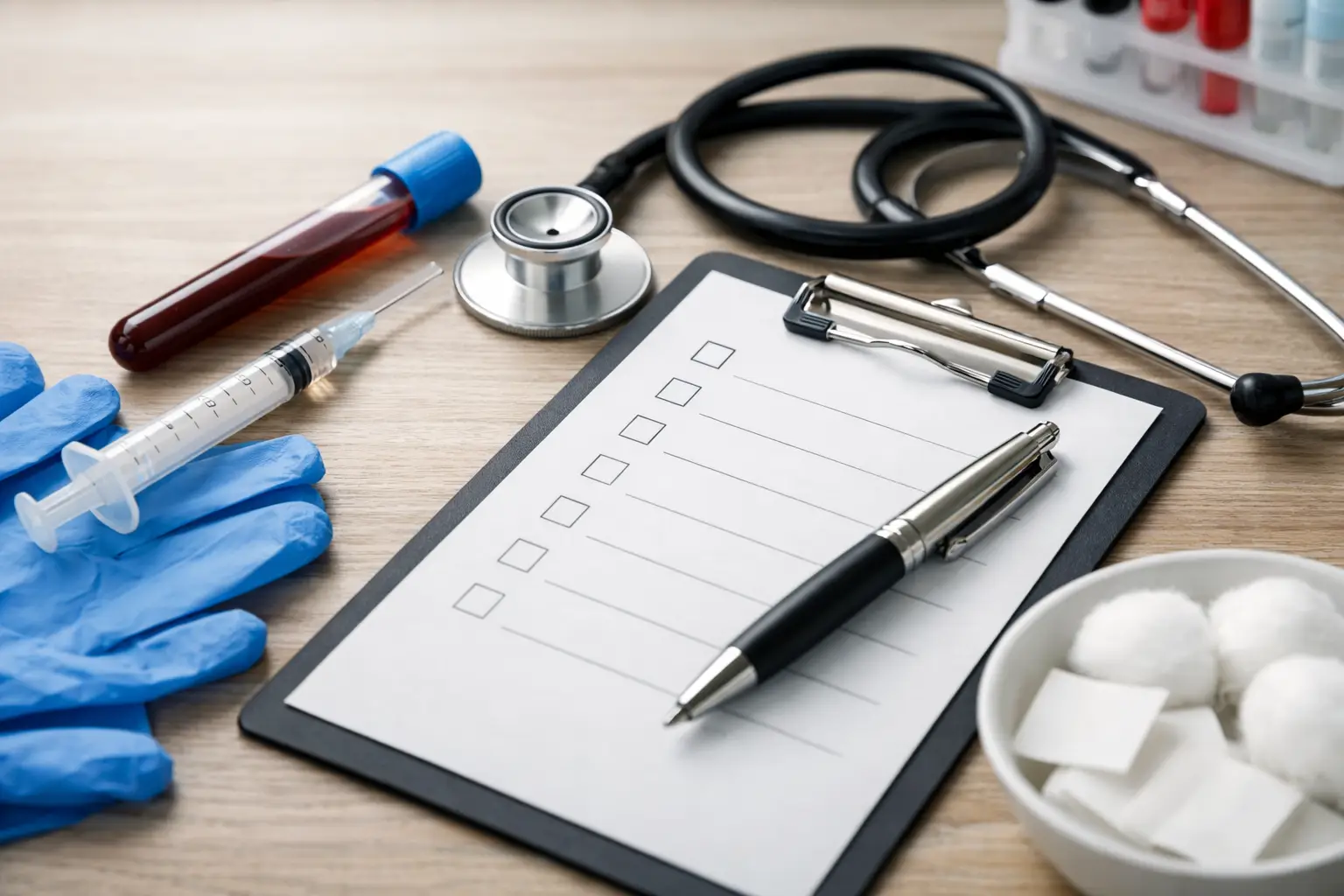
Phlebotomy Appointment Checklist for a Calm Visit
A blood draw can take only a few minutes, but the details before the needle comes out can make the whole visit feel easy or unexpectedly stressful. This phlebotomy appointment checklist helps you get ready for a smooth collection at home, at work, or in a care setting – especially when leaving the house is not the best option.
Mobile collection is meant to make care feel more personal. Your phlebotomist comes prepared to collect your specimen with care, confirm the required paperwork, and help coordinate prompt delivery to the appropriate laboratory. A little preparation helps protect your comfort, your sample, and your time.
Your Phlebotomy Appointment Checklist
Start with the instructions from your physician or laboratory order. Some tests have specific timing, fasting, medication, or preparation requirements. Those instructions always come first, even if they differ from what a friend or family member experienced with a similar test.
Before your appointment, have these essentials ready:
- Your laboratory requisition, physician order, or test-kit instructions
- A current photo ID and insurance information if your laboratory requires it
- Any required payment method, laboratory labels, or collection kit
- A list of medications and supplements you take, if your provider has asked for one
- A clean, well-lit place to sit comfortably during the draw
- Your phone nearby in case the phlebotomist needs help finding the entrance, gate, suite, or room
If someone else is arranging care for you, such as an adult child, caregiver, office manager, or assisted-living staff member, make sure they know where the paperwork and ID are located. This is a small step that prevents last-minute searching when the phlebotomist arrives.
Confirm what kind of collection you need
Not every appointment is a routine blood draw. You may need therapeutic phlebotomy, a specialty kit collection, prenatal DNA gender testing, PRP processing, serum or plasma eye-drop processing, or recurring collections ordered by your physician. Each service can have its own supplies, timing, and delivery requirements.
When scheduling, share the name of the laboratory, the test being ordered, and whether you already have a kit or requisition. If you have been given special tubes, packing materials, or instructions from a testing company, keep everything together and unopened unless the directions say otherwise.
For therapeutic phlebotomy, confirm the physician’s order and any required parameters, such as your hemoglobin level, hematocrit, frequency of treatment, or the amount to be collected. If you have felt weak, dizzy, dehydrated, or unwell, let your care team know before the appointment.
Know Whether You Need to Fast
Fasting is one of the most common sources of confusion, and it is not a one-size-fits-all rule. Many routine tests do not require fasting. Others, including certain glucose and lipid tests, may require you to avoid food for a set number of hours. Your ordering provider or laboratory instructions should tell you exactly what applies to your test.
If you are instructed to fast, plain water is often allowed and can be helpful because hydration may make veins easier to access. Do not assume that coffee, tea, juice, gum, mints, vitamins, or flavored water are okay during a fasting period. They may affect some results. If you are unsure, call the ordering provider or laboratory before the draw rather than guessing.
People with diabetes, pregnancy-related medical needs, or a history of fainting should not push through a fasting requirement without individualized guidance. Your provider may give you a modified plan. Your safety comes before checking a box on a lab order.
Take medications only as directed
Continue or pause medications only according to your prescribing provider’s instructions. Do not stop a prescription medication because you think it might alter a blood test. Some tests are specifically intended to measure how your body responds while you are taking that medication.
If you take blood thinners, have a bleeding disorder, or have previously had prolonged bleeding after a draw, tell the phlebotomist. The collection may still be straightforward, but a little extra pressure and observation after the needle is removed can be appropriate.
Set Up a Comfortable Collection Space
One of the best parts of mobile phlebotomy is that you can choose a setting where you feel at ease. A kitchen table, living-room chair, private office, bedside area, or quiet room at a residential care facility can all work well. The goal is a stable place where you can sit or recline safely with one arm supported.
Choose an area with good lighting, a clean surface for supplies, and enough room for the phlebotomist to work comfortably. If you are prone to fainting, say so before the collection begins. You may be more comfortable lying down or reclining rather than sitting upright.
Warmth can help, too. Cold hands and arms can make veins less visible. A warm room, a blanket, or a warm compress on the arm for a few minutes may make the experience easier. Avoid applying anything to the skin immediately before the draw unless your provider has instructed you to do so.
Hydrate if your instructions allow it
Unless you have been told to limit fluids, drinking water before your appointment is usually a smart move. Hydration supports circulation and can make vein access easier. It is especially helpful for older adults, people taking diuretics, patients recovering from illness, and anyone who has had difficult blood draws in the past.
You do not need to overdo it. Sip water steadily in the hours before your visit instead of trying to drink a large amount at the last minute. If you are on fluid restrictions for heart, kidney, or other medical conditions, follow those restrictions.
Help Your Phlebotomist Give You the Best Care
A skilled phlebotomist wants to know what has worked for you before. If you have a preferred arm, a reliable vein, a port-related restriction, a history of rolling veins, or a past experience with fainting, speak up. Those details are useful clinical information, not an inconvenience.
Also mention allergies or sensitivities to latex, adhesive bandages, chlorhexidine, or other skin-prep products. If you have had lymph node removal, a mastectomy, a dialysis fistula, an injury, or another reason to avoid a particular arm, share that before the collection starts.
For children, honest and calm language usually works better than big promises. Let them know they may feel a quick pinch, then plan a small comfort item, favorite show, or quiet distraction. Our little Angel’s deserve patience, reassurance, and an experienced hand.
For patients in hospice, rehabilitation, assisted living, or group-home settings, a caregiver can help by confirming the patient’s identity, bringing the order to the appointment, and making sure the patient is positioned comfortably. The phlebotomist can work with the care team while keeping the experience respectful and patient-centered.
After the Blood Draw: Protect Your Comfort and Your Results
Once the draw is complete, keep firm pressure on the site for the amount of time your phlebotomist recommends. This matters even more if you take blood thinners. Keep the bandage on for a short period and avoid heavy lifting or strenuous use of that arm right away.
A small bruise can happen even with excellent technique. If bruising appears, a cool compress may help during the first day. Contact your healthcare provider if you have persistent bleeding, significant swelling, worsening pain, numbness, or other symptoms that concern you.
If you fasted, have a snack and something to drink after the appointment unless your provider has told you otherwise. Give yourself a few quiet minutes before rushing into a meeting, driving a long distance, or standing for an extended period. Feeling lightheaded is not common for everyone, but planning for it is kind to yourself.
When a Mobile Appointment Makes Sense
A mobile blood draw can be especially helpful when a traditional lab visit creates more work than care. Busy professionals can schedule around work. Parents can avoid bringing children into a crowded waiting room. Older adults and patients with limited mobility can stay in a familiar environment. Immunocompromised patients can reduce unnecessary exposure, and facilities can coordinate collections without arranging transportation.
Phlebotomy Experts brings a Mobile Phlebotomy Concierge approach to these moments, with certified collection support, HIPAA-compliant practices, and coordination for established laboratories and hospitals. Appointment availability can vary by location and service, so it helps to schedule as soon as you have your order and any special-kit instructions.
The best preparation is simple: keep your paperwork close, follow your provider’s test instructions, drink water when permitted, and tell your phlebotomist what helps you feel safe. A calm blood-draw appointment is not about being perfectly prepared – it is about having caring support in a place that works for you.
