
Learn why blood bruises after a draw, what makes a bruise more likely, simple home care steps, and signs that call for prompt medical advice right away.
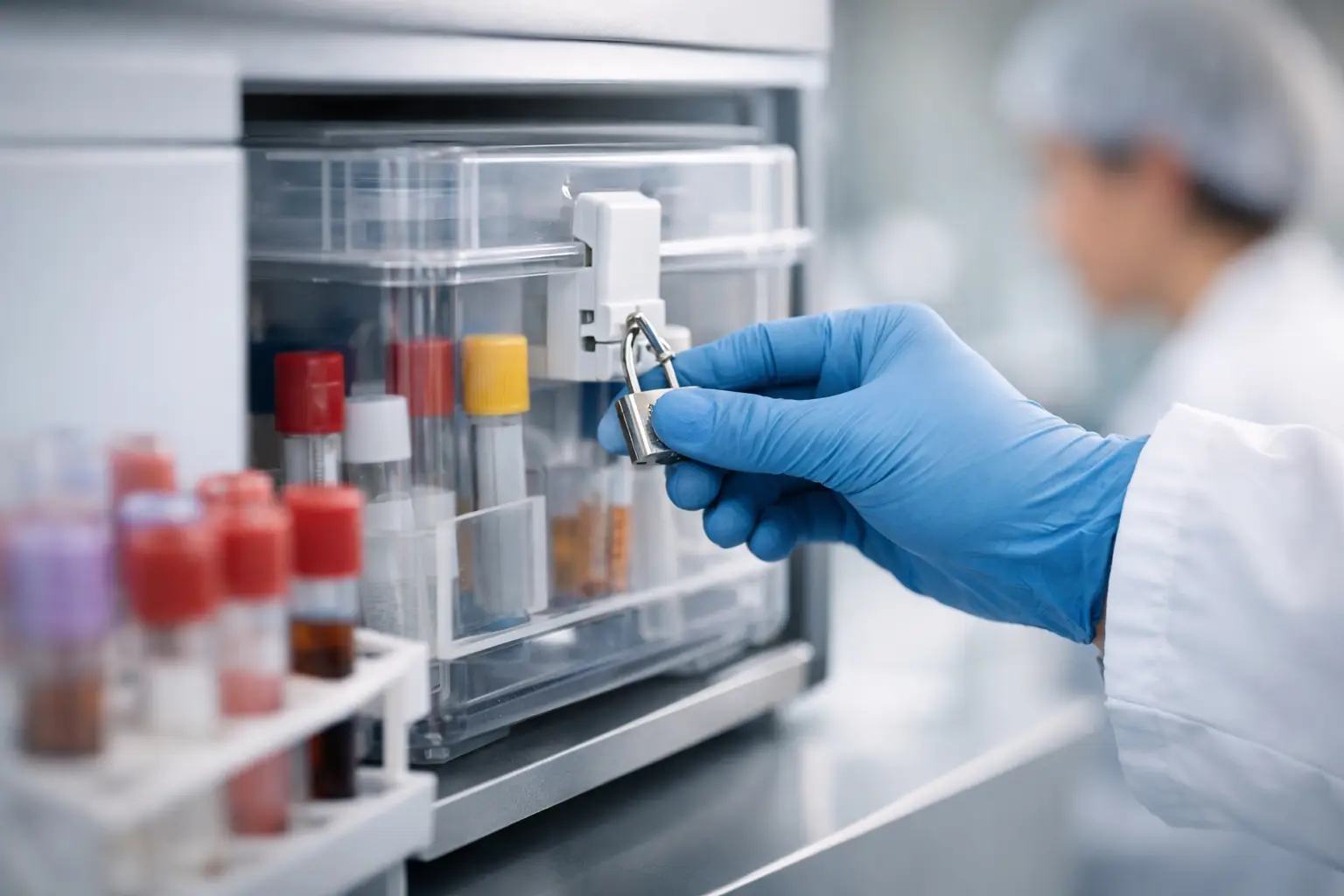
Specimen Custody Protects Every Patient Sample
A blood draw may take only a few minutes, but the care around that tube continues long after the needle is removed. Specimen custody is the process of keeping a patient sample properly identified, protected, handled, and delivered from the moment of collection until it reaches the laboratory.
For patients, this can sound like behind-the-scenes medical language. But it matters in a very personal way. Your laboratory results can only be as dependable as the sample tested. Whether you need routine blood work, recurring therapeutic phlebotomy, a prenatal DNA test, or specialty processing for serum eye drops or PRP, every step after collection deserves careful attention.
What Specimen Custody Means for Your Blood Draw
Specimen custody is not just about transportation. It includes confirming the right patient, using the correct collection tubes, labeling specimens accurately, following the test instructions, protecting the sample during travel, and getting it to the appropriate laboratory within the required time frame.
Think of it as a clear handoff process. Your sample should never become a mystery tube with an unclear destination. A trained phlebotomist verifies the collection order, confirms patient identifiers, documents what is collected, and prepares the specimen according to the laboratory’s requirements. From there, the specimen is kept secure and delivered for testing.
Some testing has very specific handling needs. A sample may need to remain at room temperature, be chilled, protected from light, spun or processed promptly, or delivered within a narrow window. The correct approach depends on the physician’s order and the laboratory performing the test. That is why experienced collection and delivery coordination matter.
Why Proper Custody Matters So Much
An inaccurate label, an expired tube, a delayed drop-off, or improper temperature control can affect whether a laboratory can use a specimen. In some cases, the lab may reject the sample and request a recollection. That means another appointment, another needle stick, and more waiting for answers.
For someone managing a chronic condition, preparing for a procedure, monitoring medication, or arranging care for an older loved one, those delays are more than inconvenient. They can disrupt a care plan. For homebound, immunocompromised, hospice, rehabilitation, and assisted-living patients, returning to a lab for a redraw may be especially difficult.
Good custody practices also protect privacy. Blood tubes and requisitions contain sensitive health information, so collection professionals must treat patient details with care. HIPAA-compliant practices, organized documentation, and secure handling help protect both the specimen and the person behind it.
Specimen Custody Starts Before the Needle
Careful handling begins with preparation, not after the draw. Before an appointment, the phlebotomist should review the test request and determine what supplies, tubes, processing steps, and delivery instructions may be needed. A fasting test, a timed draw, a kit-based collection, and a specialty specimen do not all follow the same workflow.
Patients can help by having their photo ID, insurance information if requested, physician order, and laboratory kit ready before the appointment. If your test has special instructions, such as fasting, avoiding supplements, collecting at a certain time, or bringing a frozen pack, follow those directions from your provider or laboratory. If anything is unclear, ask before your appointment rather than guessing.
A mobile appointment should still feel organized and professional. The setting may be your kitchen table, office, bedside, or care facility, but the standards for identification and specimen preparation do not change. Convenience should never mean cutting corners.
Identification Is a Safety Check, Not a Formality
Before collection, the phlebotomist confirms who you are using the identifiers required for the test. This is one of the simplest and most important safeguards in laboratory medicine. It helps ensure that the specimen, requisition, and final results all belong together.
Patients sometimes worry that being asked to state their name and date of birth more than once means someone is uncertain. Usually, it means the professional is doing the right thing. These small checks are a sign of careful care.
Labeling Happens at the Right Time
Specimens should be labeled according to laboratory policy and the specific test requirements, with patient information verified against the order. Labeling at the point of collection helps prevent mix-ups that can occur when tubes are set aside and addressed later.
If you are having multiple tubes drawn, do not be alarmed by the detailed process. Different tests may require different tube types, additives, collection sequences, and processing. A knowledgeable phlebotomist knows that one size does not fit every test.
From Your Location to the Laboratory
Once a specimen is collected, the next priority is getting it where it needs to go. A mobile phlebotomy service coordinates the collection with the selected laboratory or hospital, following the requirements associated with the order and specimen type.
At Phlebotomy Experts, that may mean arranging delivery to established laboratory and hospital partners such as Quest Diagnostics, LabCorp, WestPac Labs, CMB Laboratory, St. Joseph, or Cedars-Sinai, depending on the patient’s order and collection needs. The goal is straightforward: let the laboratory come to you while keeping the handoff professional, prompt, and clear.
Timing is particularly important for samples that must be processed quickly. A mobile collector must plan the route and delivery around the specimen, not simply around convenience. Sometimes same-day collection and delivery are appropriate. Other times, the test must be scheduled around a laboratory’s receiving hours or a specific processing window. It depends on the test, the laboratory, and the provider’s instructions.
That is a useful reminder for patients booking specialty services: do not assume any blood draw can happen at any hour. A compassionate concierge service will explain the timing requirements upfront and help arrange an appointment that gives your sample the best path to successful testing.
A Few Things Patients Should Always Ask
You do not need to become a laboratory expert, but you should feel comfortable asking practical questions. Confirm which laboratory will receive the specimen, whether you need to fast or prepare in a certain way, and whether your kit or order has special handling instructions. If you have an outside kit, bring every item that came with it, including the requisition and packaging.
It is also reasonable to ask when the specimen will be delivered and how results will be communicated. The collecting phlebotomist does not interpret medical results, but they can help clarify the collection and delivery process. Your ordering provider or laboratory is generally the right contact for result timing and clinical questions.
For parents and caregivers, it can help to prepare the patient emotionally as well. Explain that a friendly medical professional is coming to collect a sample and that the sample will go directly to the lab for testing. For children, a calm voice, a favorite show, or a comfort item can make a real difference. Our little Angel’s deserve patience and an awesome bedside manner with a smile.
When Mobile Collection Makes Custody Easier
Mobile service is especially valuable when getting to a laboratory creates an unnecessary obstacle. A busy professional may not have time for a waiting room before work. An older adult may need help with transportation. A patient recovering from surgery may not be able to travel comfortably. A person with a weakened immune system may prefer to avoid crowded collection centers.
In these situations, a properly coordinated in-home or on-site draw can reduce stress without sacrificing professionalism. The phlebotomist brings the necessary expertise to your location, performs the collection with respectful care, and takes responsibility for the next handoff. That is concierge service with a clinical purpose.
Still, mobile collection is not automatically the best fit for every test. Some tests require immediate on-site laboratory processing, special equipment, or hospital-based collection. A trustworthy service will tell you when a lab visit is the safer option. Honest guidance is part of patient-focused care.
Care You Can See in Every Step
The best specimen custody process feels calm because it is deliberate. You see the identity check. You see the tubes prepared and labeled. You know where the sample is going. You are not left wondering whether it will sit too long in a car or arrive at the wrong place.
If you need a blood draw at home, work, a residential care setting, rehabilitation facility, or hospice location, ask about appointment availability and the delivery plan for your particular order. A good mobile phlebotomy experience is not only about avoiding a trip to the lab. It is about knowing your sample is treated with the same care you would want for the person it came from.
