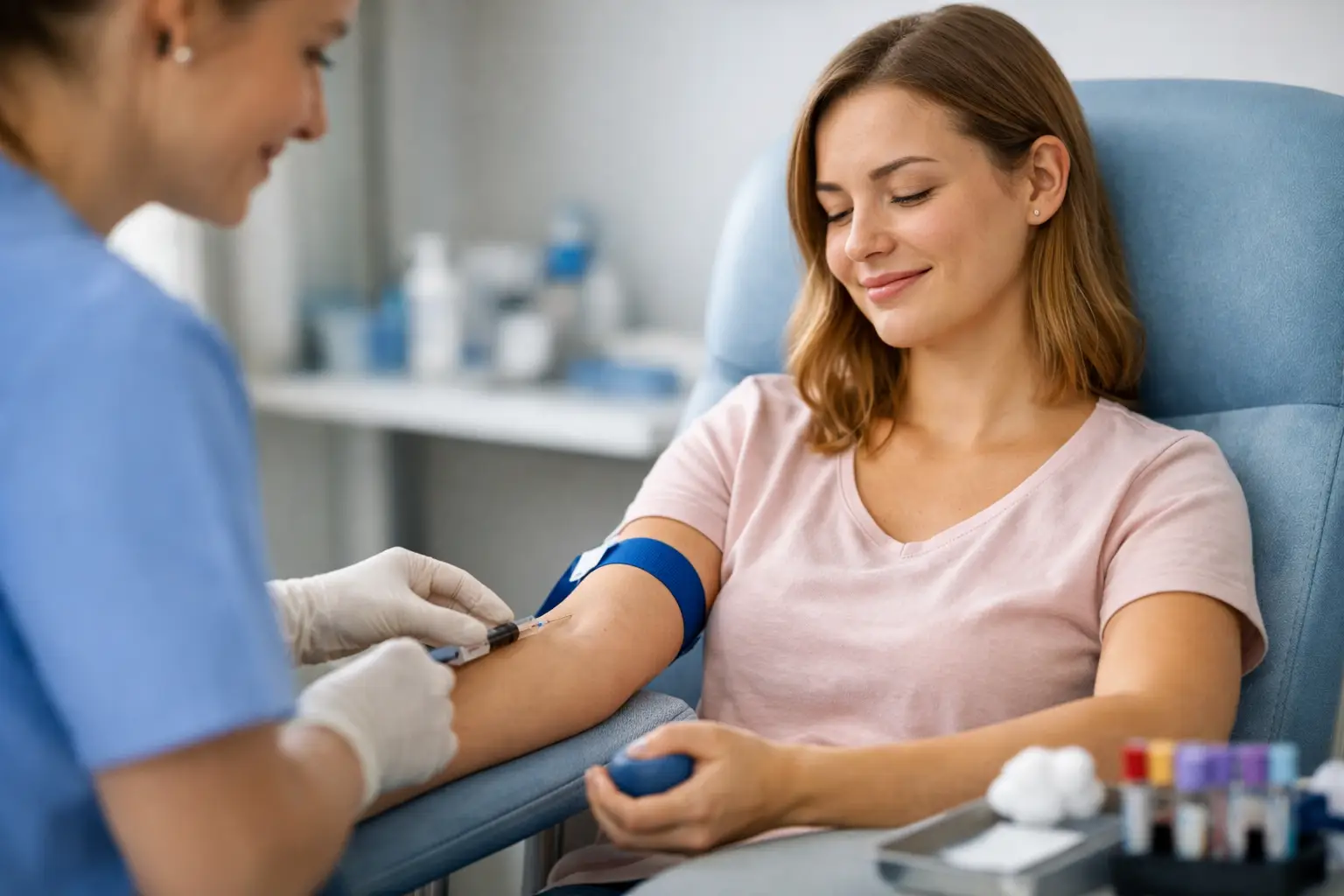
Can mobile phlebotomists draw infants? Learn when at-home collection is appropriate, how pediatric draws work, and what parents should expect at home.

Home Phlebotomy Versus Urgent Care Compared
A blood-test order can look simple on paper, but getting the sample collected is not always simple. When you are deciding between home phlebotomy versus urgent care, the right choice depends on what you need that day: a specimen collection in a comfortable setting, or a medical evaluation for new symptoms that need a clinician’s attention.
For many patients, the biggest difference is not the needle. It is the trip. Getting dressed, arranging transportation, waiting in a crowded lobby, and trying to make it home before medication, fatigue, mobility issues, or a work call gets in the way can turn a routine draw into a full-day task. A mobile phlebotomy concierge brings the collection portion of that appointment to you.
Home Phlebotomy Versus Urgent Care: The Core Difference
Home phlebotomy is designed for ordered laboratory testing. A certified phlebotomist comes to your home, office, assisted-living community, rehabilitation facility, or another approved location to collect the specimen your physician has requested. The specimen is then handled and delivered according to the requirements of the designated laboratory or hospital.
Urgent care is designed to assess health concerns that cannot wait for a regular doctor’s appointment but may not require an emergency room. Depending on the clinic, an urgent-care provider may examine you, order tests, draw blood on site, prescribe treatment, or send you elsewhere for additional care.
That distinction matters. If your doctor already ordered a thyroid panel, cholesterol check, prenatal test, therapeutic phlebotomy, or recurring monitoring labs, you may not need a medical visit at all. You need a skilled professional to collect the specimen correctly and get it where it needs to go. Home collection can be the more comfortable, focused option.
If you have a new rash, worsening cough, possible infection, dehydration, persistent vomiting, painful urination, or another symptom that needs diagnosis, urgent care may be the better first stop. A blood draw alone cannot tell the whole story without a clinician evaluating you.
When Home Collection Makes More Sense
Mobile blood draws are especially helpful when the laboratory work is already ordered and travel is the hard part. That can mean a busy professional who cannot lose half a workday, a parent caring for children, an older adult who no longer drives, or a patient recovering after surgery.
It can also be a gentler choice for patients who are immunocompromised or simply want to avoid a packed waiting room during cold and flu season. For hospice, assisted-living, and rehabilitation patients, avoiding an unnecessary trip can preserve energy and reduce stress for both the patient and caregiver.
Home phlebotomy is also well suited to recurring care. Patients receiving physician-directed therapeutic phlebotomy, routine monitoring, specialty specimen collection, serum or plasma eye-drop processing, and certain home test-kit collections often benefit from having a familiar professional come to them. Consistency matters when blood draws are part of life, not a one-time errand.
Comfort is not just a nice extra. Some people have difficult veins, anxiety around needles, sensory sensitivities, or a history of fainting. Being in a familiar chair or bed, with a trusted family member nearby, can make the experience feel far more manageable. A caring phlebotomist still follows proper collection procedures, but the setting can feel less clinical and more human.
When Urgent Care Is the Better Call
Urgent care earns its place when you need assessment, not just collection. A clinician can take a history, check vital signs, perform an exam, consider possible causes, and decide whether laboratory work, imaging, medication, or emergency care is needed.
For example, if you feel weak and dizzy for the first time, it is tempting to ask for blood work and hope for a quick answer. But dizziness can have many causes, from dehydration to a heart-related concern. An urgent-care clinician can decide whether a blood draw is appropriate and whether you need more immediate treatment.
Do not choose either option for emergency warning signs. Call 911 or seek emergency care for chest pain, trouble breathing, signs of stroke such as facial drooping or sudden weakness, severe bleeding, loss of consciousness, severe allergic reactions, or sudden confusion. Mobile specimen collection and urgent care both have limits, and emergency symptoms deserve emergency-level evaluation.
What the Appointment Experience Looks Like
At urgent care, timing can be unpredictable. You may be seen quickly, or you may wait behind patients with more urgent needs. Once you are checked in, you may still need to wait for the provider, an order, the collection, and any available results. That process is appropriate when medical evaluation is necessary, but it is not always efficient for routine lab work.
With home phlebotomy, the appointment is built around the collection itself. You schedule a time and confirm the laboratory order, required supplies, fasting instructions, and destination laboratory. A trained phlebotomist arrives at the agreed location, verifies the needed information, collects the specimen, and prepares it for prompt delivery.
The details matter. Some tests require fasting, special tubes, temperature control, a timed collection window, or delivery to a particular laboratory. A professional mobile service coordinates those logistics rather than leaving you to guess. At Phlebotomy Experts, collections are handled with HIPAA-compliant practices and coordinated with established laboratories and hospitals when applicable.
Consider Cost, Coverage, and Convenience Together
Neither option is automatically less expensive. Urgent care may bill for an office visit in addition to any testing, while laboratory charges can vary based on your insurance plan, physician order, and the testing facility. Mobile phlebotomy typically involves a convenience fee for the professional to travel and collect the specimen at your location.
That fee can be worthwhile when you consider the full cost of the alternative: missed work, rideshare expenses, parking, caregiver time, physical discomfort, and the chance of needing to reschedule because you could not make it to the lab. For a patient with limited mobility, the value is often much bigger than convenience alone.
Before scheduling, ask practical questions. Is there a valid lab order? Which laboratory is requested? Do you need to fast? Does the test require special preparation? Is the mobile collection fee separate from the laboratory’s billing? Clear answers before the appointment help prevent delays and surprise charges.
A Simple Way to Decide
Think about the purpose of the visit. If you need someone to diagnose a problem, examine you, or determine what tests you should have, urgent care is generally the more appropriate choice. If your provider has already ordered testing and you need a reliable, compassionate collection service at your location, home phlebotomy may be exactly what makes the process easier.
There are also situations where both services play a role. You might visit urgent care for an evaluation, receive a lab order, and later arrange a mobile draw for follow-up monitoring. Your primary physician may manage your care plan while a mobile phlebotomist handles recurring collections on a schedule that works for your household.
The best option is the one that matches your medical need without adding unnecessary stress. If the task is a blood draw, let the laboratory come to you. Check appointment availability, have your order ready, and give yourself the comfort of care that meets you where you are.

Related Posts