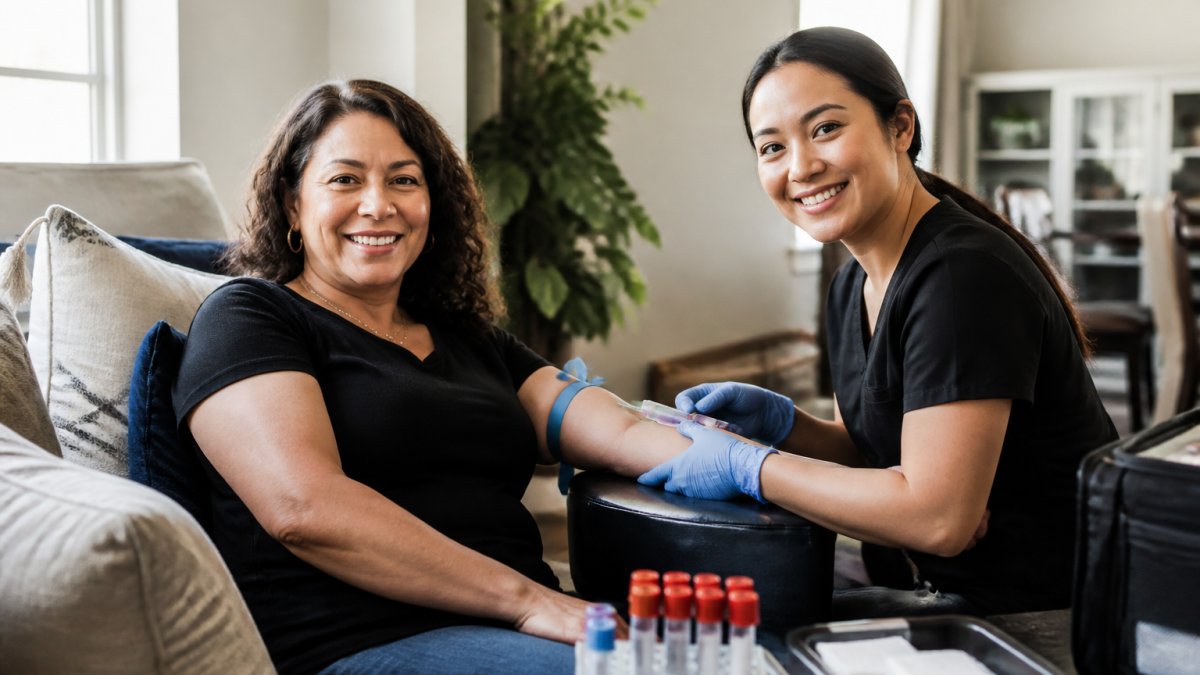
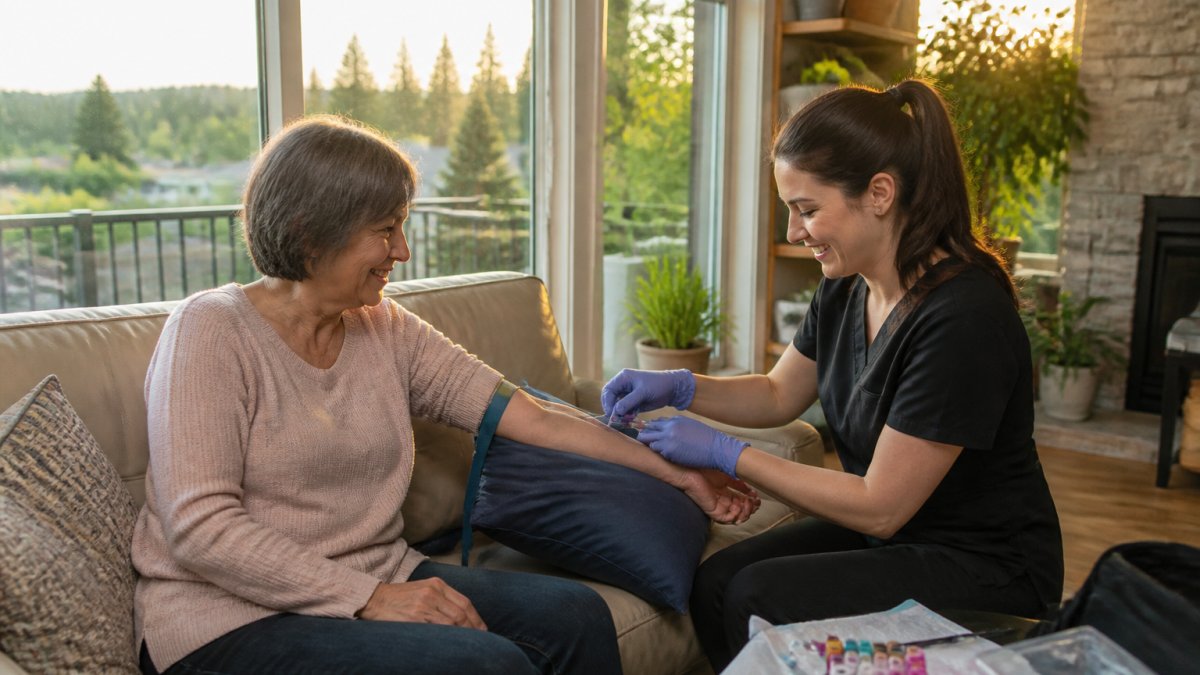
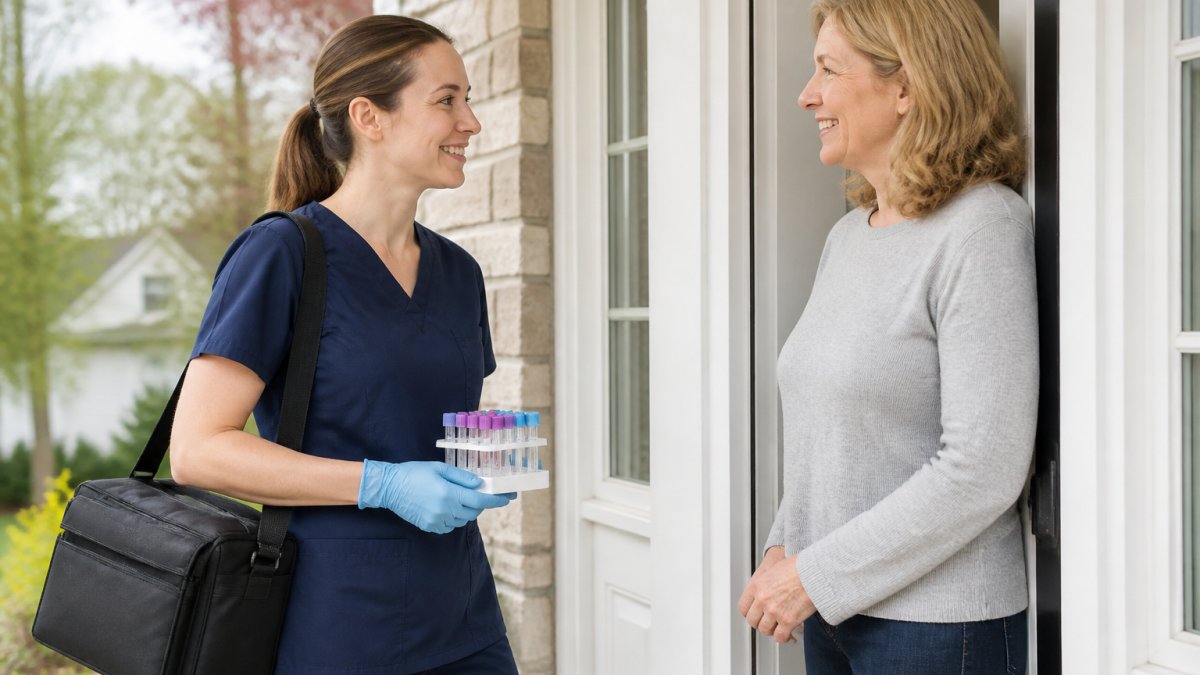
Breaking down the cost of in home blood draws: collection fees, lab charges, insurance, and what you actually pay out-of-pocket.
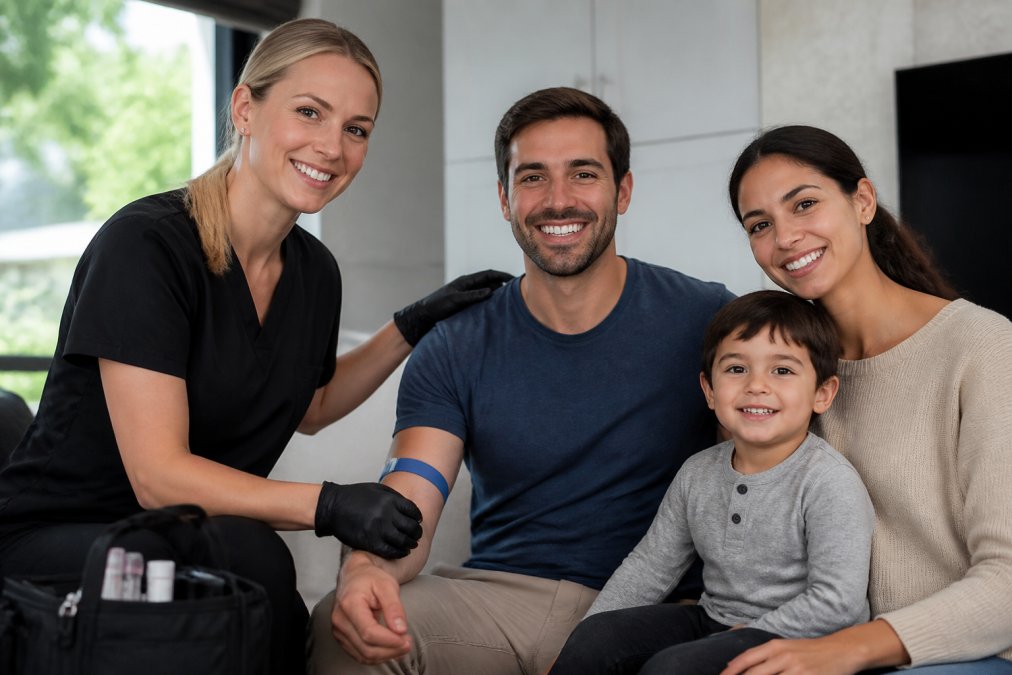
Concierge Lab Services vs Clinics: Which Fits Your Life?
Table of Contents
- Concierge Lab Services vs Clinics: The Core Differences
- Clinical vs Concierge: Comparison Table
- Mobile Phlebotomy Benefits for Busy Patients
- Is Concierge Lab Work Worth the Price?
- How to Schedule Mobile Phlebotomy in Four Steps
- Specimen Integrity and HIPAA Compliance at Home
- Conclusion: Choosing the Right Option for Your Needs
- Frequently Asked Questions
Last Updated: September 13, 2026
Concierge Lab Services vs Clinics: The Core Differences
Concierge lab services bring the blood draw to you, while clinics require you to come to them. That single logistical difference changes everything about cost, timing, and comfort. This guide from Phlebotomy Experts breaks down how each option works so you can pick the one that fits your life.
A concierge lab service is a mobile phlebotomy provider that sends a licensed phlebotomist to your home, office, or facility to perform specimen collection. Clinics and traditional draw sites operate the opposite way: you travel to them, wait, and get your blood drawn in a shared space.
How a Traditional Clinic Visit Works
A clinic visit starts with a lab requisition from your physician, followed by a scheduled or walk-in appointment. You drive there, check in, wait to be called, and sit in a shared draw station while a phlebotomist collects your specimen.
The trade-off is familiarity. Clinics usually bill your insurance directly, and your sample enters the lab’s own processing chain immediately. The cost to you is time: travel, parking, and waiting room time add up, especially for routine blood work that takes minutes to perform.
How Concierge Lab Services Work
Concierge lab services invert the workflow. A licensed phlebotomist comes to your location with the supplies needed for the draw, collects the specimen, and then handles transport to the laboratory or hospital of your choosing.
What most guides miss is the paperwork step. Mobile providers generally still require a lab requisition from your physician, so the collection happens at home but the order still comes from your doctor. For patients managing mobility issues, needle phobia, or a packed schedule, removing the travel step is the entire point.
Clinical vs Concierge: Comparison Table
The table below summarizes how the two models differ across the factors patients ask about most. It is built around the questions that actually decide the choice: who orders the test, who draws it, who transports it, who bills for it, and who is legally responsible if something goes wrong.
| Factor | Traditional Clinic or Draw Site | Concierge Lab Services |
|---|---|---|
| Who orders the test | Your physician, via a lab requisition | Same, your physician still writes the requisition |
| Where the draw happens | Clinic, hospital outpatient lab, or standalone draw station | Your home, office, hotel, or care facility |
| Typical wait to be seen | Walk-in queues vary; scheduled appointments still involve check-in and waiting room time | Scheduled visit window; the phlebotomist arrives to you |
| Travel and parking | You handle both, plus any facility parking fee | Eliminated |
| Who performs the draw | Staff phlebotomist employed by the facility | Licensed mobile phlebotomist contracted or employed by the concierge provider |
| Specimen transport | Facility’s internal courier and lab chain of custody | Mobile provider’s courier or hand delivery to the lab you name |
| Billing for the draw | Usually billed to insurance as part of the visit | Typically a self-pay per-visit fee, separate from the lab analysis |
| Billing for the analysis | Billed to insurance by the performing lab | Billed to insurance by the performing lab, if the lab is in network |
| Insurance handling of the mobile fee | N/A | Often not covered; some plans with home-health or homebound benefits may reimburse |
| Privacy | Shared waiting room and draw station | Private residence; HIPAA applies the same way |
| Best for | Routine visits, insured patients, anyone near a draw site | Busy professionals, homebound patients, parents of young children, patients with needle anxiety or difficult veins |
| Scheduling flexibility | Walk-in or appointment, subject to facility hours | Scheduled visit window, including early morning and evening slots with many providers |
| Redraw logistics | Return to the facility | Provider typically returns for a redraw, sometimes at no extra draw fee |
The biggest practical gap is billing. Clinics are built to process insurance claims end to end, so the draw and the analysis usually land on one explanation of benefits. Mobile draw services typically charge a per-visit fee that sits outside the lab analysis cost, which means you may receive two separate bills, one from the concierge provider for the collection, one from the lab for the test itself. That distinction shapes who should choose which option, and it is the single most common source of surprise for first-time concierge patients.
A second gap that rarely makes it into comparison tables is requisition handling. Both models require a valid physician order for most tests. The difference is who chases the paperwork: at a clinic, the front desk verifies the order at check-in; with a concierge provider, you are usually responsible for having the requisition ready before the phlebotomist arrives. Confirm this in writing when you book.
Mobile Phlebotomy Benefits for Busy Patients
Mobile phlebotomy benefits come down to time, comfort, and control. Patients skip the commute, the waiting room, and the exposure that comes with sitting among other patients during cold and flu season.
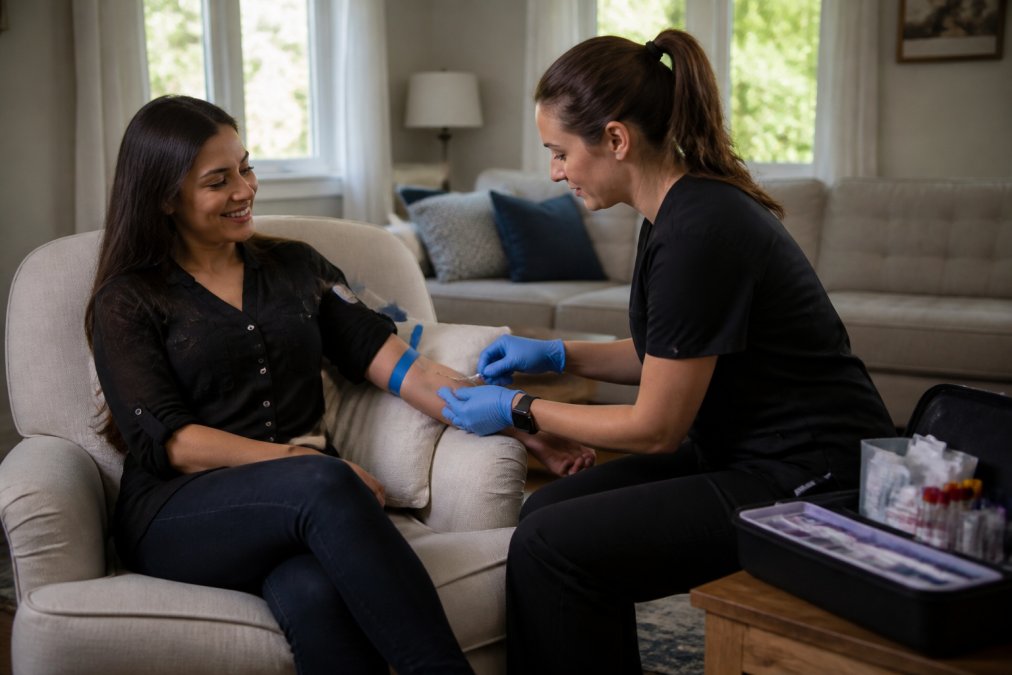
For parents of infants and young children, the home setting removes one of the hardest parts of pediatric blood work: keeping a child calm in an unfamiliar room. The same logic applies to elderly patients and anyone with difficult veins who dreads being stuck more than once. A common mistake is assuming mobile service is only for homebound patients. In practice, plenty of healthy professionals book at-home blood draws simply because a lunch-break visit beats a two-hour round trip.
Is Concierge Lab Work Worth the Price?
Whether concierge lab work is worth the price depends on what your time and comfort are worth to you. The service fee covers the draw and transport, not the lab analysis itself, so you pay twice: once for collection and once for the test.
That structure makes mobile draws a poor fit for someone who wants a single bundled bill. It makes excellent sense for anyone whose alternative is a half-day off work, a difficult trip with a wheelchair, or a child who panics in clinical settings. Many patients find that paying separately for convenience is reasonable once they compare it against the true cost of a clinic visit, which includes travel, parking, and lost hours. Pricing varies by provider and location, so confirm current rates directly before booking.
How to Schedule Mobile Phlebotomy in Four Steps
Scheduling mobile phlebotomy takes four steps: get your lab order, choose a provider, book a visit window, and confirm where the sample goes.
- Get your lab requisition. Ask your physician to order the specific tests and provide the requisition your phlebotomist will need.
- Choose a mobile provider. Confirm the provider is licensed, serves your area, and can deliver to your preferred lab.
- Book your visit window. Pick a time at home, your office, or a facility, and note any access details like gate codes.
- Confirm specimen handling. Ask how the sample is transported and when it reaches the lab so results stay on schedule.
Pro Tip
Ask your provider to draw the sample early in the week when possible. If a specimen needs a redraw, you still have business days to resolve it before the weekend slows the lab chain down.
Ask your provider to draw the sample early in the week when possible. If a specimen needs a redraw, you still have business days to resolve it before the weekend slows the lab chain down.
Specimen Integrity and HIPAA Compliance at Home
Specimen integrity and privacy are the two concerns patients raise most about home collection, and both have concrete answers that most concierge marketing skips. Understanding the mechanics is what separates a trustworthy provider from a courier with a needle.
Specimen integrity starts before the draw. A licensed phlebotomist follows the same order-of-draw sequence used in any accredited lab, blood culture tubes first, then coagulation tubes, then serum tubes, then heparin and EDTA tubes, because additive carryover between tubes can skew results (clsi.org). Each tube must be filled to its marked volume; an underfilled EDTA tube, for example, dilutes the anticoagulant and can invalidate a complete blood count (PubMed). After collection, tubes are inverted the specified number of times to mix additives, then labeled at the bedside with patient identifiers, date, and time.
Temperature control is the part home collection gets wrong most often. Different tests have different stability windows. Most routine chemistry and hematology panels are stable at ambient temperature for hours, but some analytes, certain hormones, ammonia, lactic acid, and cold-agglutinin samples, require immediate chilling or prompt separation of serum or plasma from cells. A competent mobile provider carries a validated transport cooler with temperature monitoring, centrifuges on site when the test requires it, and knows which tubes go on ice versus which stay at room temperature. Ask any provider you are considering how they handle a test with a short stability window; a vague answer is a red flag.
Chain of custody matters for legal and employment testing. For DOT drug testing, court-ordered draws, and pre-employment panels, the specimen must move under documented chain of custody from the moment it is sealed. Mobile phlebotomists performing these collections follow the same custody-and-control form procedures as a clinic, and the sealed specimen travels with a signed custody document. If your test is for legal or employment purposes, confirm the provider is set up for chain-of-custody collection before you book.
Privacy is governed by HIPAA, and the rules do not change because the draw happens at home. HIPAA, the Health Insurance Portability and Accountability Act, sets national standards for protecting protected health information (PHI). A mobile provider that creates, receives, or transmits PHI in connection with a covered entity is bound by those standards whether the collection happens in a clinic or a living room. As documented in HHS guidance on HIPAA and protected health information, covered entities and their business associates must safeguard health data regardless of the setting. In practice, that means a discreet visit with no marked vehicle, no discussion of your results in front of family members unless you invite it, and secure handling of any paperwork left in your home.
Pro Tip
Before your first home visit, ask the provider three questions in writing: (1) How do you maintain temperature control during transport, and do you monitor it? (2) What is your chain-of-custody procedure for legal or employment testing? (3) Are you a HIPAA business associate of the lab that will run my test? A provider who can answer all three without hesitation is operating at clinical standards.
Before your first home visit, ask the provider three questions in writing: (1) How do you maintain temperature control during transport, and do you monitor it? (2) What is your chain-of-custody procedure for legal or employment testing? (3) Are you a HIPAA business associate of the lab that will run my test? A provider who can answer all three without hesitation is operating at clinical standards.
Watch Out
Skipping the requisition to save time backfires. A specimen collected without a valid lab order can be rejected on arrival, which means the draw has to be repeated, and a rejected specimen that sat at the wrong temperature for hours may be unrecoverable even if a redraw is possible.
Skipping the requisition to save time backfires. A specimen collected without a valid lab order can be rejected on arrival, which means the draw has to be repeated, and a rejected specimen that sat at the wrong temperature for hours may be unrecoverable even if a redraw is possible.
Conclusion: Choosing the Right Option for Your Needs
The right choice depends on your priorities. If insurance billing and a single bundled bill matter most, a clinic fits. If your time, comfort, or mobility is the deciding factor, a concierge lab service is the better fit.
At Phlebotomy Experts, licensed phlebotomists bring in-home mobile blood draws, DNA gender testing, and IV vitamin therapy to your door, with specimens delivered to the laboratory or hospital you choose. For patients who need gentle, experienced care, that combination of convenience and a professional bedside manner is hard to beat.
Frequently Asked Questions
What is the primary difference between concierge lab services and traditional clinics?
The main difference is where the blood draw happens and who handles it. Traditional clinics require you to travel to a facility, check in, and wait for a phlebotomist who may be managing multiple patients. Concierge lab services send a licensed phlebotomist to your home or office at a scheduled time. You get a private, one-on-one draw, and the specimen is delivered to the lab or hospital of your choice for processing.
Is concierge lab testing covered by health insurance?
Coverage depends on your specific plan and the reason for testing. Some insurance plans reimburse mobile phlebotomy as a convenience benefit, especially for homebound patients or those with mobility challenges. Many concierge lab services operate on a self-pay model for the draw itself, while the laboratory testing portion may still be billable to insurance. Contact your insurer directly to confirm whether at-home collection is a covered service under your policy.
How does mobile phlebotomy ensure the safety of my blood samples?
Licensed phlebotomists follow standard precautions: proper labeling at the point of collection, temperature-controlled transport containers, and prompt delivery to the receiving laboratory. Specimen integrity depends on maintaining the correct temperature and minimizing the time between draw and processing. Ask any mobile phlebotomy provider how they transport samples and how quickly they deliver them to the lab.
Do I need a doctor’s order for concierge lab services?
For most diagnostic blood work, yes. A physician’s order or lab requisition is required so the laboratory knows which tests to run and where to send results. Some concierge services offer direct-to-consumer testing panels that do not require a physician order, but these are typically limited to wellness screenings or specific tests. If you already have a requisition from your doctor, a mobile phlebotomist can use it to collect your sample at home.
How do concierge lab services handle HIPAA compliance and patient privacy?
Reputable concierge lab services train their phlebotomists on HIPAA privacy rules. That means your health information is not shared without your consent, specimens are labeled with unique identifiers rather than casual conversation, and results go directly to your ordering physician or the laboratory you designated. Ask the provider how they handle protected health information and whether their staff completes HIPAA training.
Choosing between a clinic and a mobile draw comes down to how much your time and comfort are worth. Phlebotomy Experts offers licensed phlebotomists, in-home mobile blood draws, DNA gender testing, and specimen delivery to your preferred laboratory, all with a gentle bedside manner. Get started with Phlebotomy Experts and schedule a visit that fits your schedule.

Related Posts