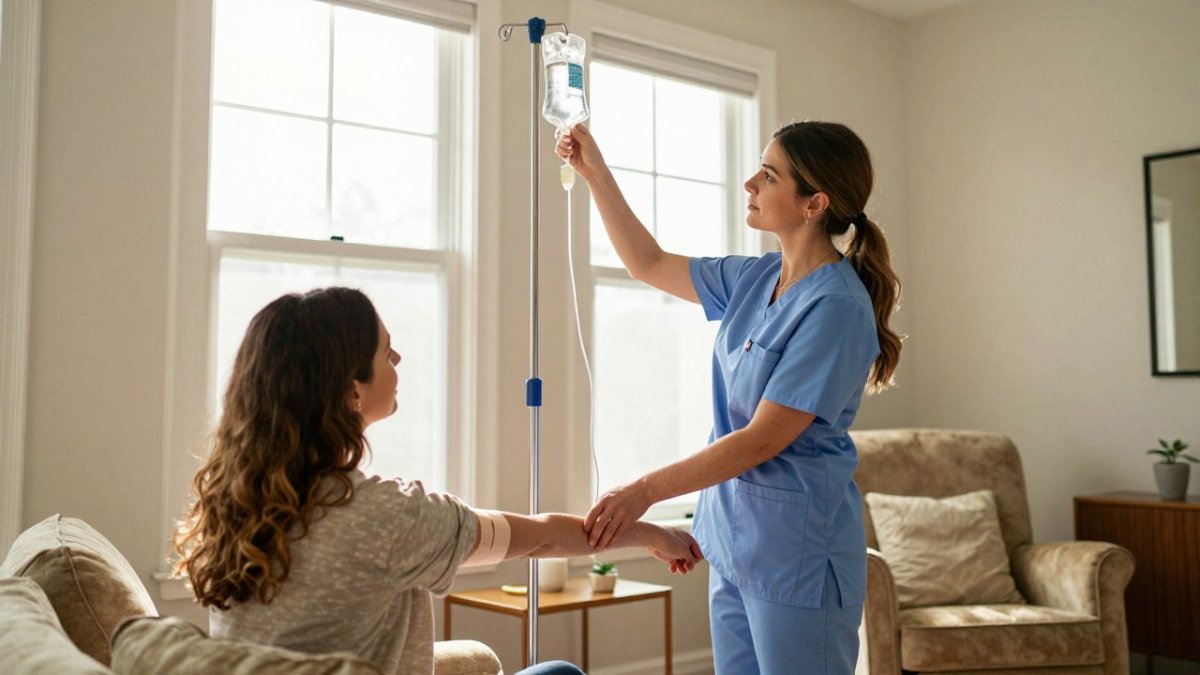
Looking for at-home blood tests for toddlers? Learn which tests suit home collection, how to calm a fussy child, and when a clinic is the better choice.
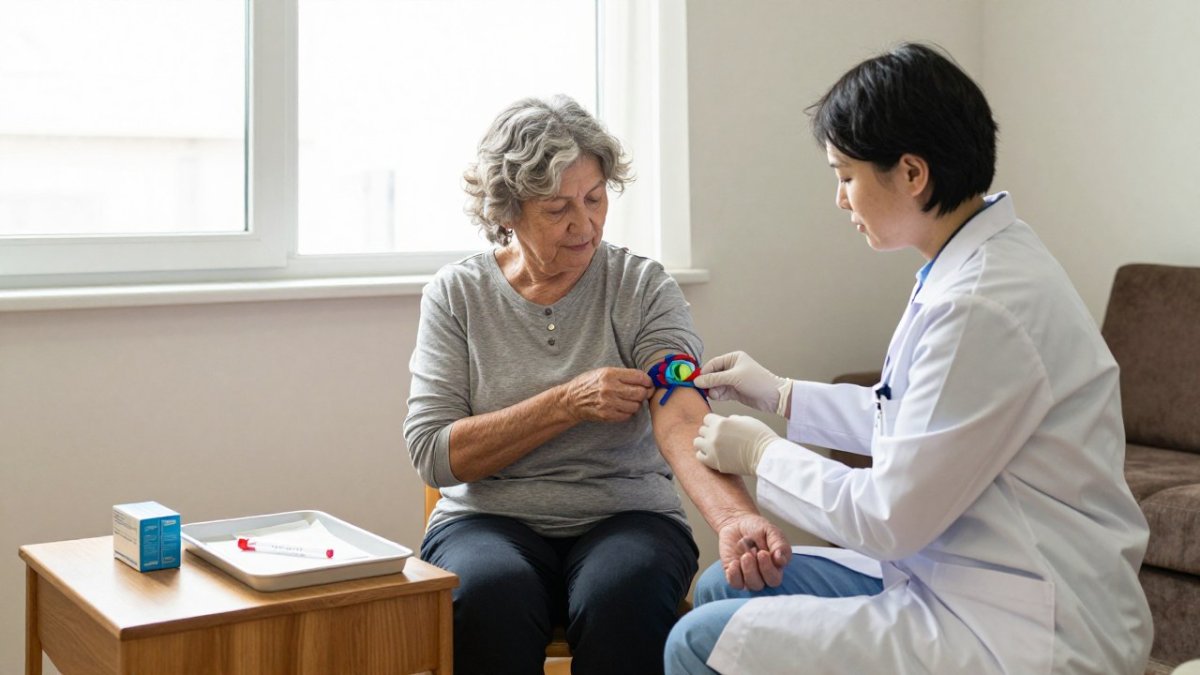
How Do You Find a Mobile Phlebotomist for Difficult Veins?
Quick Summary
To find a mobile phlebotomy provider for difficult veins, check that the phlebotomist is licensed or certified, then ask how much experience they have with hard draws specifically. Hydrating, warming the arm, and staying relaxed beforehand can also make a difficult draw easier.
- Confirm the technician’s credentials are current and verifiable before booking.
- Ask whether they have handled difficult veins specifically, not just routine draws.
- Drink water a few hours before the visit to plump up veins.
- Warm the arm with a warm towel or pack for a few minutes beforehand.
- Ask what happens if a draw fails, and whether they can try another site or tool.
Dreading your next blood draw?Phlebotomy Experts brings licensed, gentle phlebotomy care to your home or office.
Table of Contents
What Difficult Venous Access Means and Why It Happens
Difficult venous access describes a blood draw during a mobile phlebotomy visit where the phlebotomist struggles to find or enter a usable vein. Many people with this problem are called “hard sticks.” The vein may be small, deep, rolling, or scarred from past draws. Dehydration, age, and certain medical conditions can also make veins harder to reach.
If you have had several failed attempts before, you are not alone. Some people dread blood draws so much that they avoid needed lab work. That is why finding the right mobile phlebotomist matters so much. A skilled technician can change the experience from stressful to manageable.
- Small or narrow veins that collapse easily
- Rolling veins that shift away from the needle
- Scarring from repeated past draws
- Dehydration, which makes veins flatter and harder to see
- Anxiety, which can tighten muscles and constrict blood flow
How to Find and Verify a Qualified Mobile Phlebotomist
Start by confirming the person is a licensed or certified phlebotomist. Ask for their credentials and the agency or certifying body that issued them. Phlebotomists should be licensed or certified, and you can ask any provider to confirm their credentials. Our checklist of what makes a professional mobile phlebotomist trustworthy covers the other qualities to look for before you book.
Next, ask how much experience they have with difficult draws specifically. A technician who handles hard sticks regularly will have techniques ready before the needle goes in. You can find mobile phlebotomists set up for difficult veins and compare their experience with hard draws.
Check these points before you book:
- Credentials are current and verifiable
- The provider has experience with difficult veins, not just routine draws
- The service confirms how specimens travel to the lab
- The provider explains what happens if a draw fails
Patients with needle anxiety often find a calm, gentle approach helpful, and you can ask any provider how they plan to make the visit comfortable.
What to Ask a Mobile Phlebotomist Before the Visit
A few good questions can save you stress on the day of the draw. Ask them directly and listen for clear, confident answers.
- How many years have you worked as a phlebotomist?
- Have you handled patients with difficult veins before?
- Which tools do you use for hard-to-find veins?
- How will you handle my specimens after the draw?
- What should I do to prepare?
Vague answers are a warning sign. A good technician will explain their approach in plain terms.
How to Prepare for a Difficult Blood Draw at Home
Preparation can make a real difference in how easily a vein is found. Most people can do these steps at home before the technician arrives. For more on handling difficult veins, see the practical guidance on this page. (Source: phlebotomist certification requirements)
- Drink water. Good hydration plumps up veins. Start drinking water a few hours before the visit.
- Warm the area. A warm towel or warm pack on the arm for a few minutes can help veins dilate.
- Wear loose sleeves. Clothing that rolls up easily gives the technician clear access.
- Eat normally, unless told otherwise. Ask your ordering physician whether fasting is needed.
- Relax your arm. Avoid clenching your fist during the draw, since tense muscles can hide veins.
Tell the technician about any past problems. Share which arm has worked best before and any bruising you have had.
Techniques Mobile Phlebotomists Use for Hard-to-Find Veins
Experienced technicians use several approaches when a vein is hard to find. Knowing these options can help you feel more in control.
Palpation is the most basic method. The technician feels for a vein’s bounce and firmness with their fingertips. Gentle tapping and warming can also help bring veins closer to the surface.
Butterfly Needles and Alternative Draw Sites
A butterfly needle is a small, thin needle with flexible wings. It works well for small or rolling veins because it is easier to control. Technicians may also use veins in the hand or wrist when the arm veins are not suitable. Ask your provider which options they offer.
What Happens If a Blood Draw Fails
Sometimes a draw does not work on the first try. A good technician will stop, reassess, and explain the next step. They should never push repeatedly without a plan.
If the draw fails, ask whether they can try a different site or a different tool. Ask whether a second visit or a clinic visit makes more sense. Clear communication keeps the experience safer and less painful.
Booking Your At-Home Draw and Knowing When to Go to a Clinic
Mobile phlebotomy works well for many routine draws. You can ask about appointment times and service areas before you commit. Service areas vary by provider, so check availability for your location before booking.
Some situations call for a clinic or hospital instead. A direct comparison of concierge lab services and clinics can help you choose the right setting. Your doctor can tell you if your test requires a special setting. If you have a serious medical condition or a history of fainting during draws, talk with your provider first.
For general information about blood tests and what to expect, the MedlinePlus guide to blood tests is a reliable starting point.
Frequently Asked Questions
Can a mobile phlebotomist draw blood from difficult veins?
Many mobile phlebotomists can handle difficult veins, but skill and equipment vary. Experienced technicians use techniques such as warming the site, hydration, careful palpation, and in some cases butterfly needles or ultrasound guidance. Ask directly about their experience with hard-stick patients before booking. If a technician cannot confirm this, or if previous attempts have been painful, consider asking for a clinic-based draw where vein visualization equipment and additional staff may be available. A qualified professional should assess your individual situation.
What should I ask a mobile phlebotomist if I have hard-to-find veins?
Ask how many years they have worked as a phlebotomist, whether they have experience with difficult access, and what they do when a vein cannot be found on the first attempt. Confirm their state license or certification, how they handle needle attempts, and whether they can use a vein finder or ultrasound guidance if needed. Also ask how specimens are transported to the laboratory and what happens if the draw must be rescheduled. Write down the answers so you can compare providers.
What happens if a blood draw fails at home?
A failed draw usually means the technician could not collect enough blood or could not access a vein after reasonable attempts. A licensed phlebotomist should stop after a limited number of attempts, avoid unnecessary pain, and explain next steps. Common options include rescheduling, trying a different site, using a smaller needle or ultrasound guidance, or referring you to a clinic or hospital lab. Ask your provider and ordering physician how a failed draw will be documented and whether a redraw is covered by your plan.
Can I request an experienced phlebotomist for an at-home blood draw?
When booking, state that you have difficult veins and ask whether the provider has technicians with experience in difficult access. Share any history of failed or painful draws so the provider can plan equipment and time accordingly. Practical preparation, such as hydrating well, staying warm, and telling the technician about past problems, also improves results. Confirm the appointment details in writing before the visit.

Related Posts